Judge Orders NYC to Share Some Bronx Shelter Residents’ Information With ICE



Posted on 11/11/26 at 22:01
-
Ruling limits which Bronx shelter residents’ information ICE can receive.
-
A court-appointed special master will review residents’ records.
-
Mayor Zohran Mamdani’s administration is evaluating its legal options.
A federal judge has ordered New York City to comply with a subpoena from US Immigration and Customs Enforcement (ICE) seeking information about residents of a Bronx migrant shelter, but imposed restrictions on what the agency can receive.
The November 6, 2026, ruling by US District Judge Lewis Kaplan provides for the appointment of a special master, an independent court-appointed official who will identify male shelter residents with certain serious criminal histories.
Under the arrangement, only the names of individuals meeting those criteria will be disclosed to ICE, rather than information about every resident originally sought by the agency.
The dispute highlights tensions between federal immigration enforcement powers and New York City’s sanctuary policies, which restrict certain forms of cooperation with ICE.
What Information Can ICE Obtain From Bronx Shelter Residents?
🚨 BUSTED: A federal judge just ordered Zohran Mamdani’s City Hall to comply with an ICE subpoena for names at a Bronx migrant shelter.
The judge is Lewis Kaplan, a CLINTON appointee.
«The City has not shown that producing this list would be unduly https://t.co/bk5cpi4nTK
— Orange Man Vlad (@orangmanviad) November 8, 2026
The case involves the Bruckner shelter at 825 East 141st Street in the Mott Haven neighborhood of the Bronx, a facility with capacity for approximately 2,200 men.
ICE initially requested names, dates of birth, and other identifying records. Under the court-approved arrangement, a special master will review relevant information and determine which residents meet the criteria for disclosure.
The screening criteria cover criminal histories involving eight categories of offenses: murder, manslaughter, rape, robbery, assault, grand larceny, burglary, and assault of a law enforcement officer. These histories are not necessarily limited to convictions.
The ruling does not establish that the residents whose names may be disclosed are subject to deportation. ICE intends to use the information as part of its immigration investigations.
Zohran Mamdani Reviews Legal Options Following ICE Ruling
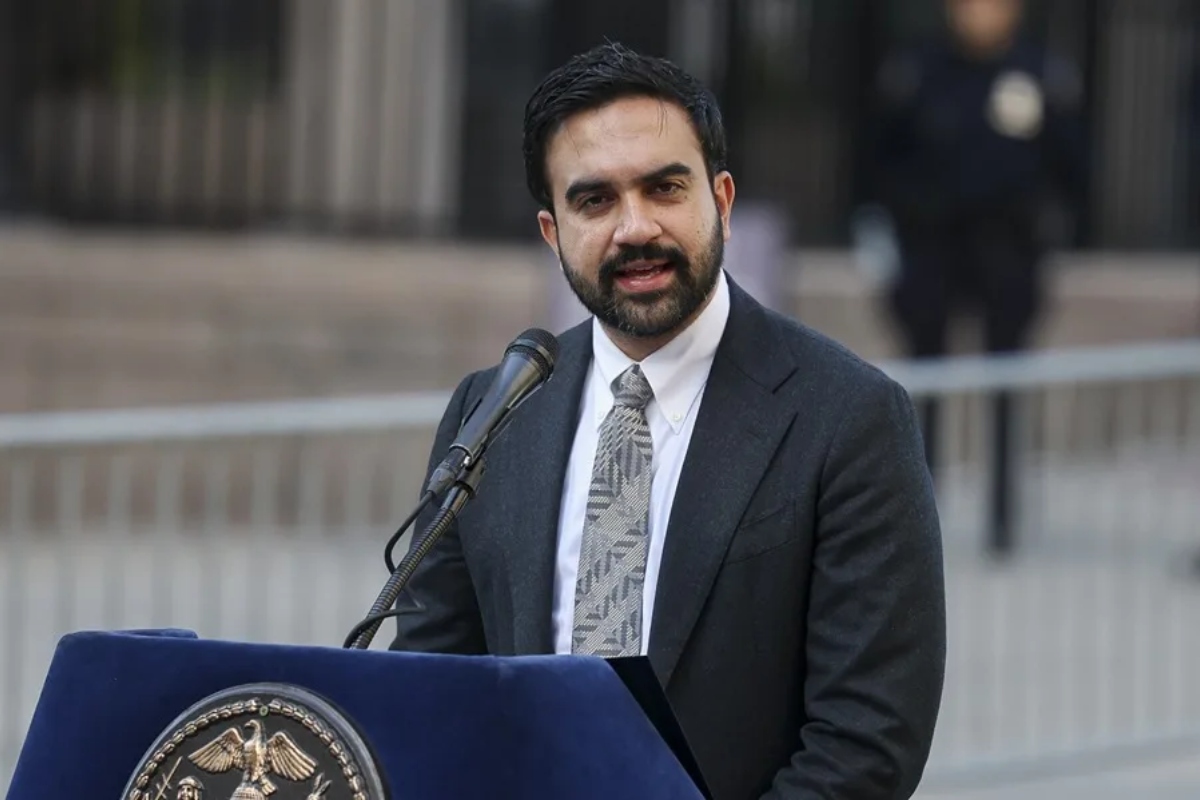
Mayor Zohran Mamdani’s administration said it was reviewing the court’s decision and evaluating its legal options, according to statements reported on November 9 and 10.
As of those reports, City Hall had not confirmed whether it would appeal the ruling or pursue another legal response.
The city had challenged ICE’s broad request for identifying information, arguing that it lacked sufficient investigative justification and could undermine New York’s sanctuary protections.
City attorneys also argued that complying with the subpoena would impose an unreasonable administrative burden. Kaplan ruled that the city had not sufficiently demonstrated that the request was unduly burdensome.
Immigrant Advocates Urge NYC to Appeal the Decision
Murad Awawdeh, president of the New York Immigration Coalition, urged Mamdani’s administration to appeal the ruling and continue challenging ICE’s attempts to obtain shelter residents’ information.
Awawdeh questioned the scope of the federal investigation and warned about the privacy risks facing people who rely on emergency shelter services.
He also urged city and state officials to reconsider how much personal information shelters collect and retain about residents.
YOU MAY BE INTERESTED: A caravan with nearly 2,000 migrants leaves southern Mexico after US elections
His position reflects broader concerns about the potential consequences of using records collected for social services in federal immigration investigations.
What Happens Next in the Dispute Between New York City and ICE?
The legal dispute began in August 2025, when ICE started issuing subpoenas seeking information about residents of city-operated shelters. The agency subsequently revised its requests several times before seeking court enforcement.
Kaplan gave both parties 14 days from November 6, until November 20, to submit a proposed order addressing the appointment and compensation of the special master. That deadline concerns the screening process, not deportations.
The ruling does not authorize a shelter raid or automatically order anyone’s removal from the United States. Any subsequent immigration enforcement action would depend on the individual’s circumstances and applicable legal procedures.
Shelter residents concerned about their legal status can seek assistance from qualified immigration attorneys or accredited representatives and consult official updates rather than relying on unverified social media claims.