Before Blaming Stress for Your Hair Loss: Check These Causes and Solutions


Posted on 03/30/26 at 01:52
- Hair loss is not just stress
- Diet plays a key role
- Daily habits damage hair

Hair loss often triggers immediate concern, and many people instinctively blame stress.
But the reality is more complex. In many cases, the issue comes from daily habits, unsuitable products, or overlooked factors.
Before worrying too much, it’s worth taking a closer look.
Identifying the real cause can help you stop hair loss early. It’s not always stress—and that’s actually good news
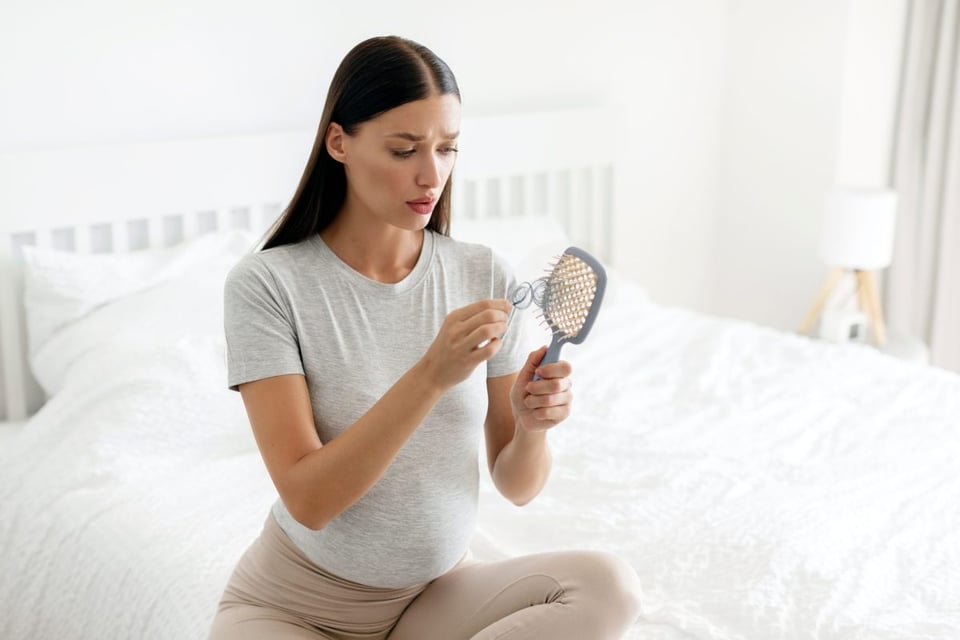
Your diet could be the root of hair loss
It’s not an exaggeration: what you eat directly reflects on your hair.
When your body doesn’t get what it needs, it prioritizes vital functions—and hair health takes a back seat.
- More protein = stronger hair
- Iron supports healthy growth
- Vitamins strengthen roots
- Extreme diets weaken hair
- Hydration matters too
If you’ve recently changed your diet or are eating less, your hair may be reacting.
Be careful with the products you use daily
Not all shampoos and treatments work in your favor. Some may be doing more harm than good.
- Avoid harsh formulas
- Reduce frequent heat styling
- Switch products if you notice dryness
- Not everything “popular” works
- Less product, healthier hair
It may be worth trying gentler or more targeted options.
For example, many people turn to accessible brands like Sally Beauty, which offer products designed for hair loss, strengthening, and repair without high costs.
Your daily routine matters more than you think
Small habits, repeated every day, can quietly cause damage.
- Don’t pull your hair while styling
- Avoid tight ponytails
- Dry gently without friction
- Use soft hair ties
- Brush carefully
A key detail: if you notice more shedding when brushing, it’s likely not random—it’s cumulative.
What if you need a clearer hair loss diagnosis?
This is where many people fall short.
Guessing the cause isn’t enough.
Tools like the Hers Hair Test can help evaluate potential causes of hair loss in a more personalized way.
These types of assessments can determine whether the issue is linked to hormones, genetics, or habits—not just stress.
- Provides better guidance
- Avoids trial and error
- Enables targeted solutions
- Saves time and money
It’s not about complicating things—it’s about stopping the guesswork.

Stress does play a role—but it’s not always the culprit
Yes, stress can cause hair loss, but it rarely acts alone.
In most cases, it’s combined with other factors:
- Lifestyle changes
- Lack of sleep
- Poor nutrition
- Excessive chemical use
- Overall imbalance
Simply put: blaming stress alone may cause you to overlook the real issue.
What you can start changing today
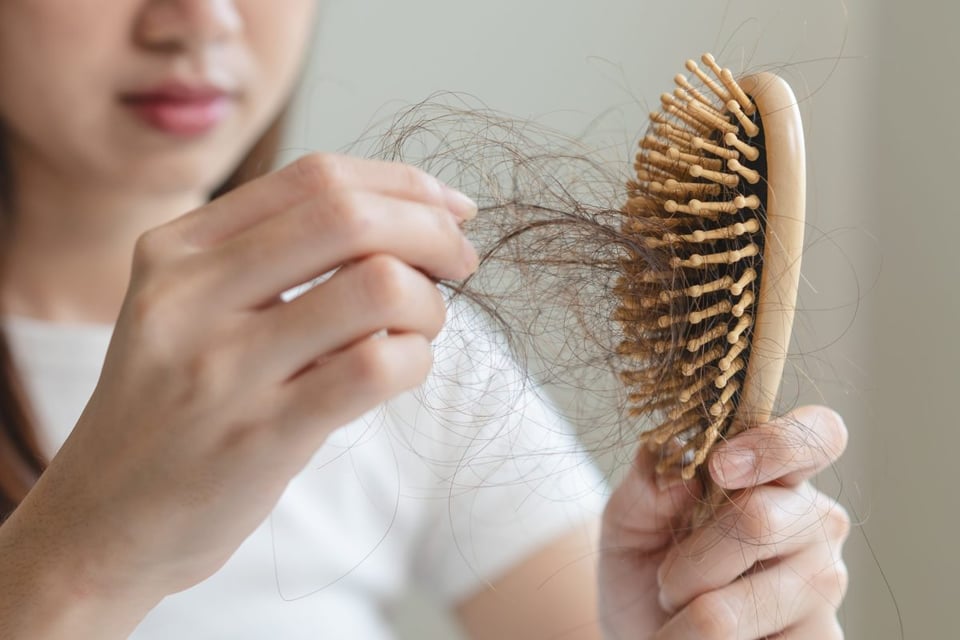
You don’t need extreme solutions.
The key is to make realistic, consistent adjustments.
- Improve your diet
- Change products if needed
- Reduce harsh habits
- Track your progress
- Stay consistent
Key point: hair doesn’t respond overnight—but it does respond to consistency.
Before panicking or spending money on miracle solutions, review the basics.
Your diet, routine, and products may be telling you much more than stress.
Understanding that is the first step toward restoring your hair’s health with the right hair loss treatments.
You may also like: Unexplained Constant Pain? It Could Be Fibromyalgia and You Don’t Know It Yet
Disclaimer: This content is for informational and educational purposes only and does not replace professional medical advice. If you experience persistent or severe hair loss, consult a healthcare specialist.
Notice: This article may contain affiliate links, meaning we may earn a commission at no additional cost to you.
Have you noticed more hair loss lately, or have you already tried any of these solutions?
SOURCE: Portal Red Salud