Crypto Law Hits Roadblock: Trump’s Business Interests Stall Key Regulation



Posted on 09/16/26 at 10:20
- Senate stalls Clarity Act
- Failed to garner enough votes to move forward
- Trump’s business dealings at center of ethics dispute
According to EFE, the attempt to establish new federal rules for cryptocurrencies suffered a significant setback on September 15, after the US Senate failed to gather the necessary votes to advance the so-called Clarity Act, amidst a dispute over government ethics and President Donald Trump’s business interests in digital assets.
The vote ended 49-50, and the initiative needed at least 60 votes to overcome the procedure and continue its legislative process. Democrats opposed it, along with three Republicans: Susan Collins, Josh Hawley, and Jerry Moran.
The bill aims to create a federal framework for the digital asset market and clarify the regulatory responsibilities of the Securities and Exchange Commission (SEC) and the Commodity Futures Trading Commission (CFTC), two fundamental agencies for US financial oversight.
The discussion has implications that go beyond Washington: the industry is seeking uniform rules for a US cryptocurrency market valued at around $2.3 trillion, while investors and companies continue to face uncertainty about which norms apply to certain digital assets.
Trump’s Crypto Business at Center of Debate
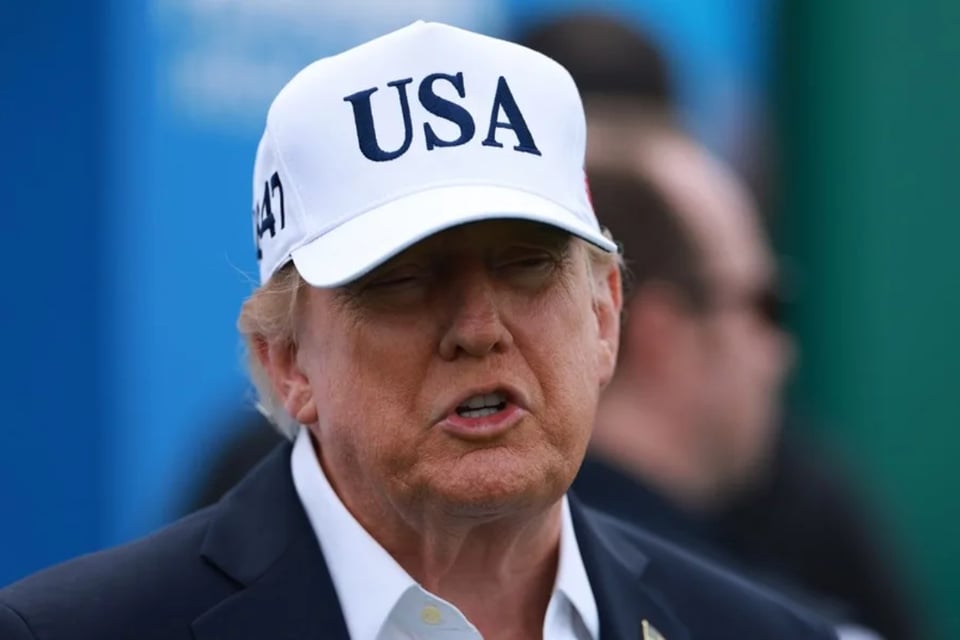
The main Democratic objection focused on ethics rules. Lawmakers from that party argued that the safeguards incorporated into the bill are not sufficient to prevent federal officials from benefiting economically from cryptocurrency-related businesses while in power.
The controversy grew due to the president’s financial activities. His 2025 financial statements reported over $1.4 billion in income related to cryptocurrencies, digital tokens, and associated businesses, a figure that fueled the debate over potential conflicts of interest.
YOU MAY BE INTERESTED: New drug 10 times more potent than fentanyl raises alarms after teenager’s death
Elizabeth Warren, the top Democrat on the Senate Banking Committee, has maintained that the US needs legislation for the sector, but demands stricter provisions on public officials’ investments, consumer protection, national security, and combating illicit finance.
Republicans attempted to address these concerns through last-minute modifications, including granting powers to state attorneys general to act on certain ethics violations, but the changes failed to garner the necessary support.
Clarity Act Faces Uncertain Future Ahead of Elections

The failure was procedural and does not constitute a final vote to definitively reject the legislation. However, it significantly reduces the political and legislative margin available to push the project forward before the November legislative elections.
The digital asset industry had made the approval of federal rules one of its top priorities in Washington. Proponents argue that defining the roles of the SEC and CFTC would provide greater legal certainty for companies, platforms, and investors.
The outcome leaves a fundamental dispute open: how to regulate a rapidly growing financial sector and, at the same time, establish limits on the investments and business activities of those holding public office.
With Congress approaching recess and the midterm elections on November 3, any new attempt will require rebuilding sufficient support in the Senate or modifying the text again to resolve the differences that have stalled the initiative.