Supreme Court Rejects Trump’s Bid to Block 20,000 California Mail-In Ballots


Posted on 11/03/26 at 06:00
- The Trump administration asked the Supreme Court to set aside thousands of California mail-in ballots.
- California challenged the reliability of the federal government’s voter list.
- Lower courts rejected the request, and the Supreme Court has now declined to intervene.
The Trump administration asked the US Supreme Court on Monday, November 2, to order California to set aside mail-in ballots associated with more than 20,000 registered voters whose citizenship federal authorities questioned. The Supreme Court subsequently rejected the emergency request.
The petition came one day before the midterm elections, after lower federal courts refused to impose the measure on California, according to Reuters.
The Department of Justice (DOJ) argued that the individuals identified might not be US citizens and sought to have their eligibility verified before their ballots were counted.
The administration’s request sought to temporarily exclude the disputed ballots from the count pending verification. The allegations did not constitute a judicial finding that those individuals had voted illegally.
Why Did Trump Challenge 20,000 California Mail-In Ballots?
🔴 The Trump administration requested the U.S. Supreme Court to order the state of California to set aside 20,000 electoral ballots that, according to the Department of Justice (DOJ), were sent by mail by people not authorized to vote. https://t.co/E9b8YvHoHK
— ICN.Digital (@ICNDigital) November 2, 2026
The dispute began with a list compiled by federal authorities using voter registration records and citizenship information.
The Justice Department filed its lawsuit on October 15 and subsequently requested that ballots associated with the individuals on the list be kept separate from other votes.
California challenged the reliability of the federal government’s allegations. According to the California Attorney General’s Office, the list could include eligible US citizens.
The distinction is critical: appearing on a list of suspected voting irregularities does not establish that an individual is ineligible to vote.
Why Did Federal Courts Reject Trump’s California Ballot Request?
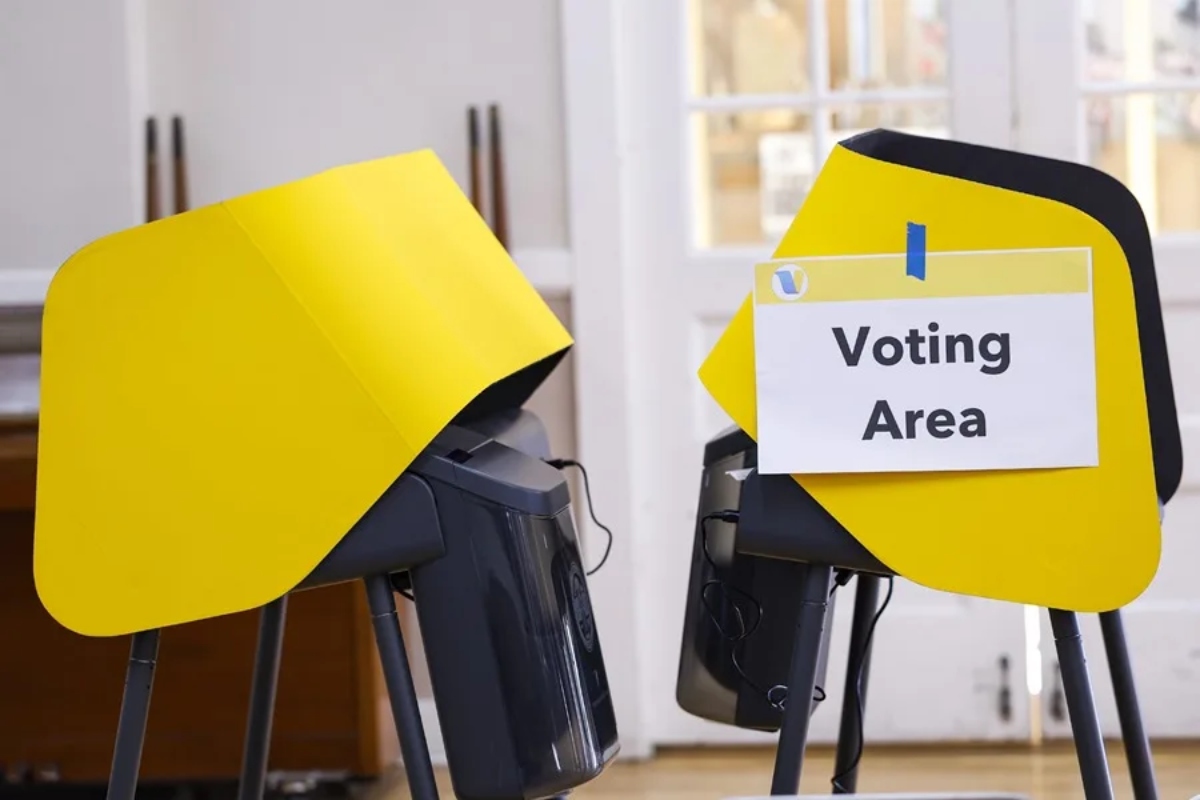
US District Judge David O. Carter rejected the administration’s emergency request on October 28, warning that the proposed measure could disrupt the election.
His ruling highlighted the risk of disenfranchising eligible voters based on unverified allegations and changing election procedures after voting had already begun.
The US Court of Appeals for the Ninth Circuit also denied the requested intervention, citing concerns about the federal government’s legal arguments and the potential consequences of last-minute changes to election procedures.
Before the Supreme Court, the administration argued that separating the ballots would preserve them while voter eligibility was investigated, rather than automatically invalidating them. The justices declined to grant the emergency relief.
California Warned That Separating Ballots Could Disrupt the Count
Tomorrow, we deliver the verdict on the most corrupt president in America history.
— Gavin Newsom (@GavinNewsom) November 2, 2026
California election officials explained that mail-in ballots are separated from the envelopes containing voters’ identifying information during processing.
That procedure makes it difficult to identify and isolate individual ballots once they have been separated from their envelopes, creating practical obstacles to implementing the federal request.
The California Attorney General’s Office argued that changing established procedures under those circumstances could confuse election officials and potentially interfere with eligible voters’ rights.
YOU MAY BE INTERESTED: Disillusionment with Trump could lead Kansas to a political change unseen in 94 years
Governor Gavin Newsom has supported California’s legal defense of its election procedures against the Trump administration’s requested intervention.
What California Voters Can Do Before Election Day
Voters can check their registration status at voterstatus.sos.ca.gov and verify their information through official election resources.
They can also track whether their mail-in ballot has been received and counted through California’s official ballot-tracking services.
If a ballot was not counted, voters can contact their county elections office to determine the reason.
On Election Day, Tuesday, November 3, California polling places will generally be open from 7:00 a.m. to 8:00 p.m.
Sources: EFE, Reuters, Associated Press, and the California Secretary of State.