California Declares State of Emergency Amid Potent Super El Niño Threat



Posted on 09/22/26 at 09:40
- California declares state of emergency
- El Niño could be historic
- Preparing resources for potential flooding
According to EFE, California declared a state of emergency on Monday due to the potential impact of El Niño, a decision made by Governor Gavin Newsom to accelerate the state’s preparation for weather conditions that could intensify during the 2026-2027 fall and winter.
This measure will allow the state to mobilize resources in advance and strengthen its response capacity in the face of potential heavy rainfall, flooding, landslides, heavy snowfall, and coastal damage.
The National Oceanic and Atmospheric Administration (NOAA) forecasts point to an especially intense episode of El Niño, a phenomenon associated with the abnormal warming of the tropical Pacific waters and significant changes in weather patterns.
The declaration does not mean that a specific storm is imminent or guarantee extreme precipitation throughout California. Its objective is to enable authorities to be prepared before potential winter systems pose a threat to communities and infrastructure.
What the state of emergency means for residents
EL NIÑO PREP ‼️: California is getting a head start on the potential historic El Niño storm season. The state has declared a state of emergency as forecasters warn that the region could experience repeated rounds of heavy rain, powerful winds, mountain snow, flooding, landslides… pic.twitter.com/gthwpkRhqi
— FOX Weather (@foxweather) September 21, 2026
According to Clarin, the state of emergency allows California to accelerate various preventive actions and improve coordination between state agencies, local authorities, and teams responsible for responding to natural disasters.
Among the priorities is preparing roads and critical infrastructure, strategically placing equipment, and having supplies that can be used quickly if storms cause flooding, road closures, or significant snow accumulation.
YOU MAY BE INTERESTED: Tropical Storm Fay forms: Can it become a hurricane?
Authorities are also seeking to protect vulnerable communities and areas exposed to flooding, landslides, and coastal damage, where a prolonged episode of precipitation can significantly increase risks.
For residents, the declaration mainly serves as a signal to start preparing. It does not imply a general evacuation order, nor does it mean that all regions of the state will face the same weather conditions during the winter.
Rain and flooding: the risks California faces
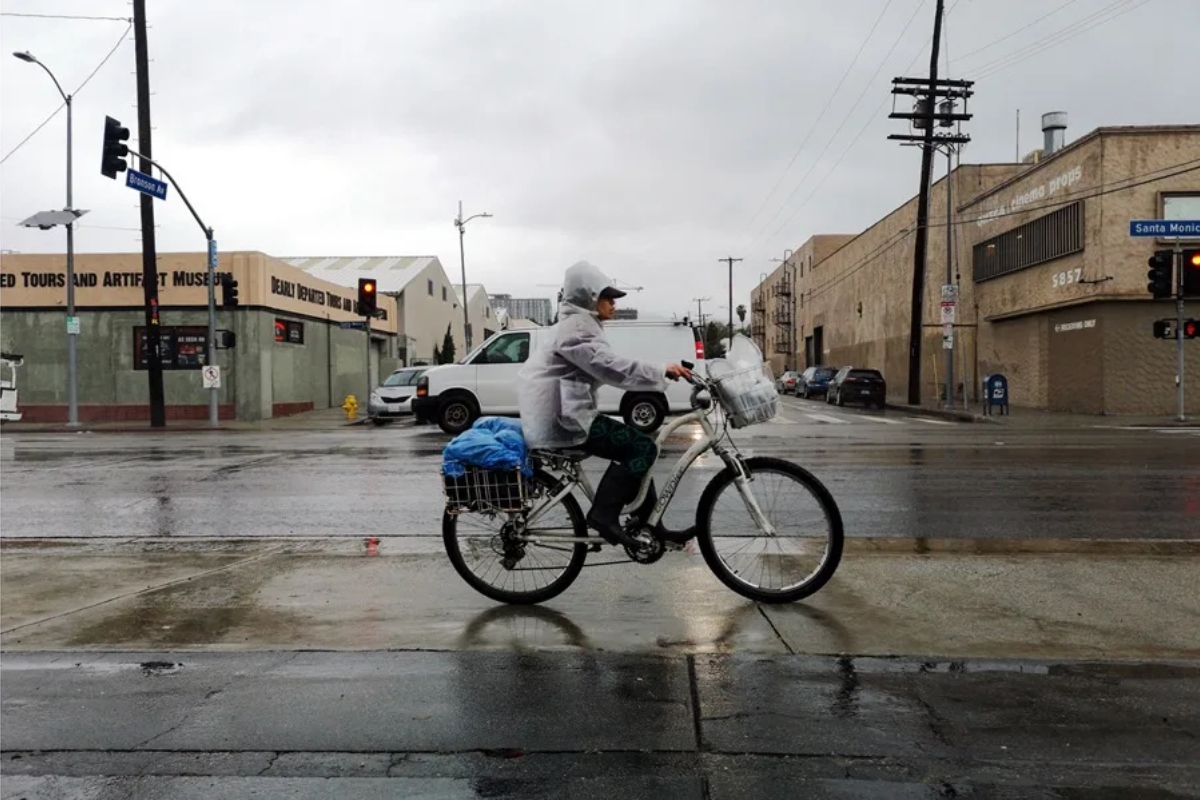
El Niño occurs generally every two to seven years and can modify climate patterns around the planet. In California, the most intense episodes have historically coincided with extraordinary precipitation seasons and storms capable of causing significant damage.
One of the most memorable precedents occurred during the strong El Niño of 1997-1998. In February 1998, San Francisco recorded one of the rainiest months in its history, a reference that demonstrates the potential impact of these episodes on California.
However, the intensity of El Niño alone does not determine exactly how much it will rain in a city or region. The trajectory of storms, atmospheric conditions, and other meteorological factors also determine where the greatest precipitation will concentrate.
Authorities will especially monitor areas recently affected by wildfires, as burned terrain can be more vulnerable to landslides and debris flows when receiving large amounts of rainfall in relatively short periods.
What families should do before winter
Residents can start by identifying if their homes are located in areas susceptible to flooding, landslides, or other storm-related hazards, especially those living near rivers, mountains, coastlines, or areas affected by fires.
It is also recommended to prepare basic supplies for several days, keep phones and external batteries charged, check drains and gutters, and establish a family plan that determines how to act and where to meet in the event of an evacuation.
Families should activate their local authorities’ emergency alerts and follow the National Weather Service’s forecasts, particularly when there is a possibility of heavy rainfall, flash flooding, heavy snowfall, or road closures.
Advance preparation will be especially important during this winter: residents must avoid crossing flooded roads, respect road closures, and immediately follow any evacuation instructions issued by state or local authorities.