August Breaks the Trend: The Atlantic Sees an Unusual Lull During Peak Hurricane Season


Posted on 08/06/26 at 13:42
- Atlantic Hurricane Season in August
- Experts are monitoring the potential for new tropical cyclones.
- The Atlantic remains free of named storms.
The Atlantic hurricane season is experiencing an unusual pattern at the start of August, a period that typically marks the beginning of a gradual increase in tropical activity.
So far, no new named storms have formed since Tropical Storm Bertha dissipated on July 24.
Experts say this situation is noteworthy because August usually signals the start of the most active phase of the hurricane season.
However, current atmospheric conditions continue to suppress the development of new systems, although that pattern could change as the month progresses.
Experts Remain on Alert Despite the Tropical Lull
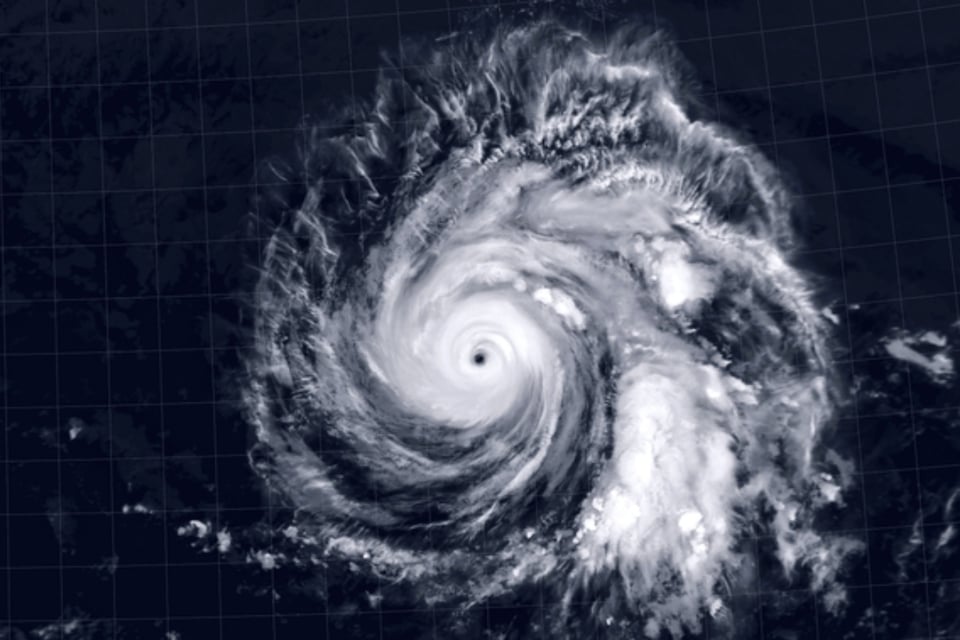
Meteorologists explain that the lack of storms during the first days of August does not necessarily mean the season will remain quiet.
Alexander DaSilva, AccuWeather’s lead hurricane expert, said: «We could see a couple of storms in the Atlantic during August, but it’s also possible that we won’t see any because of increasing wind shear and dry air.»
YOU MAY ALSO LIKE: Wildfires Set Record in Oregon as Washington Faces Mass Evacuations
According to current forecasts, no tropical cyclones are expected to develop anywhere across the Atlantic basin during the first week of August. The combination of strong upper-level winds and dry air masses continues to make it difficult for tropical disturbances to organize.
Experts caution that these conditions can change quickly during the Atlantic hurricane season, so they continue to closely monitor the basin. Although the month has begun quietly, forecasts do not rule out a shift in Atlantic activity in the coming days.
History Shows That a Quiet August Does Not Guarantee a Weak Hurricane Season
If August ends without any named tropical storms, it would mark only the fourth such occurrence since 1961—an exceptionally rare event in modern records.
The most recent example occurred in 2022, when no storms developed between the dissipation of Tropical Storm Colin on July 2 and the formation of Hurricane Danielle on September 1.
Before that, only 1961 and 1997 experienced an entire August without named storms since official records began in 1850. However, those years also demonstrate that a quiet month does not necessarily predict an inactive hurricane season.
According to historical reports, 1961 ultimately produced 12 named storms, including eight hurricanes and two Category 5 hurricanes later in the season. By contrast, 1997 was considerably less active, with only eight named storms and just one major hurricane.
The Atlantic Could Become More Active During the Second Half of August
Forecasters continue to closely monitor the southwestern Atlantic and the eastern Gulf of Mexico, where conditions could become more favorable for tropical development.
Between August 8 and August 15, one or two stationary fronts are expected to arrive, along with a decrease in wind shear. That shift could allow tropical systems to organize if other atmospheric conditions also become favorable.
In addition, sea surface temperatures remain above the historical average across much of the Atlantic. DaSilva explained: «Sea surface temperatures across much of the Atlantic are warmer than the historical average.»
He added: «This could allow storms to develop despite the unfavorable conditions associated with El Niño.» As a result, meteorologists will continue closely monitoring the Atlantic hurricane season over the coming weeks, according to AccuWeather.