2026 Midterm Elections: Trump, Democratic Left and Economy Shape November Race


Posted on 09/17/26 at 06:01
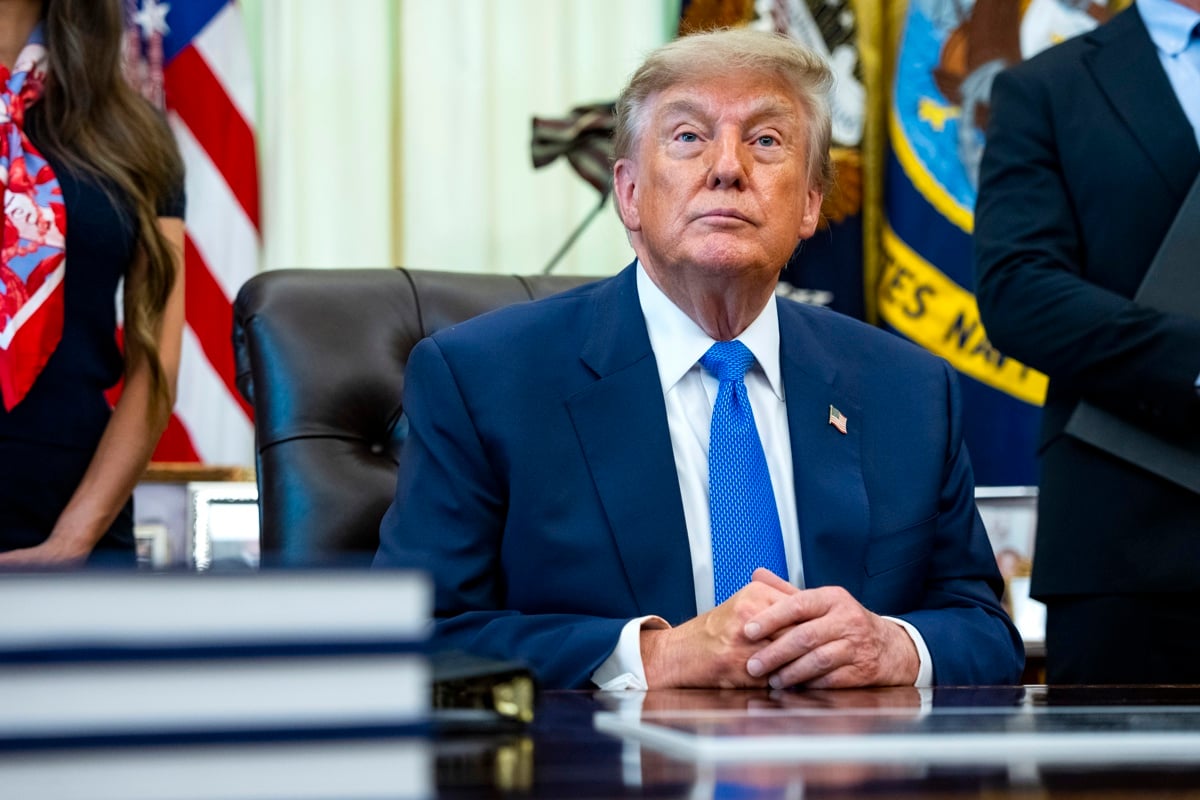
Primary nominations sent signals about both parties, but September polls show a broader electorate also concerned with prices, the economy, and the role of the next Congress ahead of the November elections.
Will what decided the primaries move voters in November? Trump, the advance of left-wing candidates, and internal party struggles dominated the nominations, but the general election landscape is broader.
- Why it matters: Primaries show what mobilizes party bases. In November, a different electorate will participate, and issues such as inflation, the economy, and cost of living may carry more weight.
Trump’s Influence Showed Limits in Republican Primaries
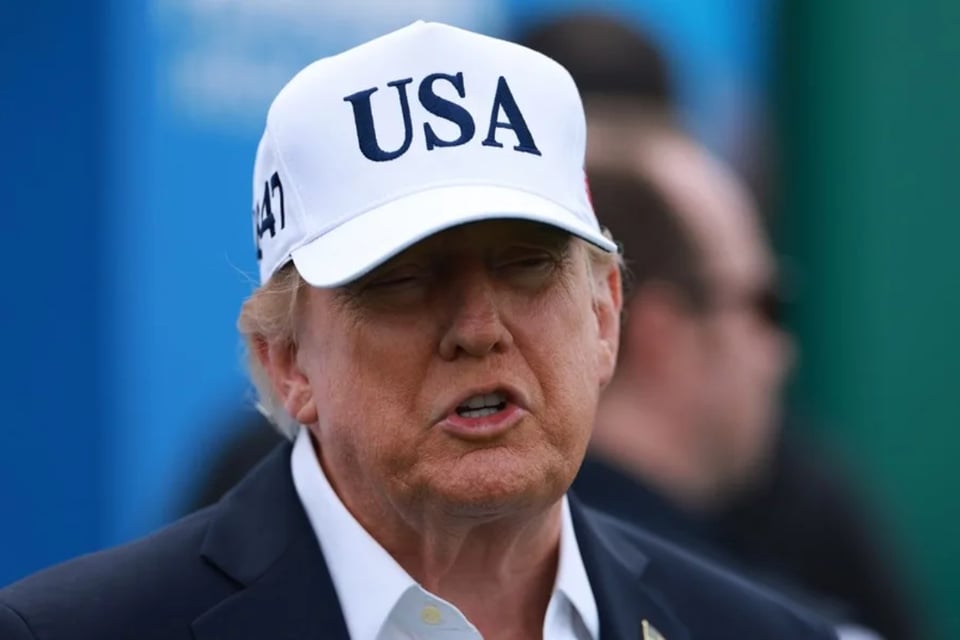
CNN counted 10 defeats among candidates backed by Donald Trump in Republican primaries for Congress or statewide offices, although many other candidates he supported did advance.
Trump also had success in several contests where he intervened against specific Republicans, a sign that his influence remained significant but did not produce uniform results.
- The fact: An Economist/YouGov poll in late August found that few swing voters — voters without a firm party preference — said a Trump endorsement would increase their willingness to support a congressional candidate.
Trump’s endorsement increased their willingness to support a congressional candidate.
Democratic Left Gained Visibility but Remains a Minority
Victories by candidates linked to the Democratic left placed democratic socialism among the highlights of the primary elections.
However, Brookings identified 282 candidates backed by chapters of the Democratic Socialists of America and concluded that those who effectively secured a Democratic nomination represented less than 1% of the total.
- The limit: Most of those candidates competed for local or state legislative offices. Additionally, their presence decreased as the districts analyzed became more competitive.
Economy and Inflation Enter the 2026 Midterm Elections
Recent polls point to another battle: how much prices and the economy weigh when voters move from choosing partisan candidates to deciding who will represent them in Washington.
In the Economist/YouGov poll from September 11-14, 41% said Democrats handled the economy better, while 37% chose Republicans.
The survey included 1,596 adult citizens and had an approximate margin of error of 3.3 points among registered or planned voters.
- Inflation: Another Economist/YouGov poll found in late August that 43% were «very concerned» about inflation, while 42% were «somewhat concerned».
- Cost of living: CBS News reported in July that broad majorities said their incomes were not keeping pace with inflation, and that neither party received positive evaluations for its policies to alleviate those costs ahead of the November elections.
House and Senate Present Different 2026 Midterm Battles
The House depends on 435 individual districts. This means that the national vote does not necessarily translate proportionally into seats, especially after changes to electoral maps.
Ballotpedia notes, for example, that Alabama, Louisiana, and Tennessee adopted new maps for 2026; according to the 2024 presidential election results applied to those boundaries, each map would shift a currently Democratic district to Republican terrain.
The Senate works differently: each state elects two senators, regardless of population. Therefore, the political and economic conditions of specific states can weigh more heavily than a national trend.
- What’s next: Economist/YouGov registered 51% support for Democratic House candidates and 39% for Republicans among likely voters.
Among all registered voters, the difference was smaller. These are measures of voting intention, not results or forecasts.
The primaries defined candidates and revealed tensions within both parties.
November elections will test those signals against a broader electorate also concerned about the cost of living in the United States.
You May Be Interested: Trump loses support in the House: 7 Republicans vote to stop the war with Iran
SOURCE: CNN / YOU.GOV / Brookings