El Niño Could Bring a «Triple Threat» to the California Coast This Winter



Posted on 09/19/26 at 19:02
- El Niño continues to strengthen
- Erosion threatens coastal roads
- Beaches lose natural protection
According to Accuweather, Southern California’s coast is entering the storm season with eroded beaches, vulnerable cliffs, and roads under surveillance, as El Niño continues to strengthen in the Pacific.
NOAA reported on September 10 that there is over a 90% probability of a «very strong» event during the fall and winter of 2026-27. However, its intensity alone does not determine how much rainfall or damage California will suffer.
One of the most visible signs is in Carlsbad, where authorities declared a local emergency to accelerate stabilization of a cliff along South Carlsbad Boulevard after detecting cracks in the pavement.
The project involves extending a barrier of large rocks by approximately 192 feet to protect the cliff and the road, an intervention the city seeks to complete in anticipation of a potentially strong El Niño.
Eroded Beaches Leave Less Defense Against Storms
El Nino and a very active Pacific hurricane season are bringing significant coastal erosion to the Southern California coastline, with experts warning it could get even worse this winter. https://t.co/3ItMh3TjPT pic.twitter.com/gSfmZEzbIN
— ABC News (@ABC) September 19, 2026
>>>>>>>>>>According to ABC News, the problem goes beyond a road: when a beach loses large amounts of sand, it reduces the natural barrier that absorbs wave energy before it reaches homes, piers, cliffs, and infrastructure.
This becomes relevant after recent episodes of strong waves that have affected various points in Southern California, leaving some communities facing a winter with less sand available to cushion future storms.
El Niño can also temporarily favor higher sea levels on the West Coast. NOAA is tracking Kelvin waves and other oceanic signals associated with the phenomenon as they advance towards the region.
NASA had already observed large pulses of warm water moving eastward in the Pacific during 2026, while satellite data later confirmed that El Niño was underway and strengthening.
What Could Happen in California During the Winter of 2026-27?
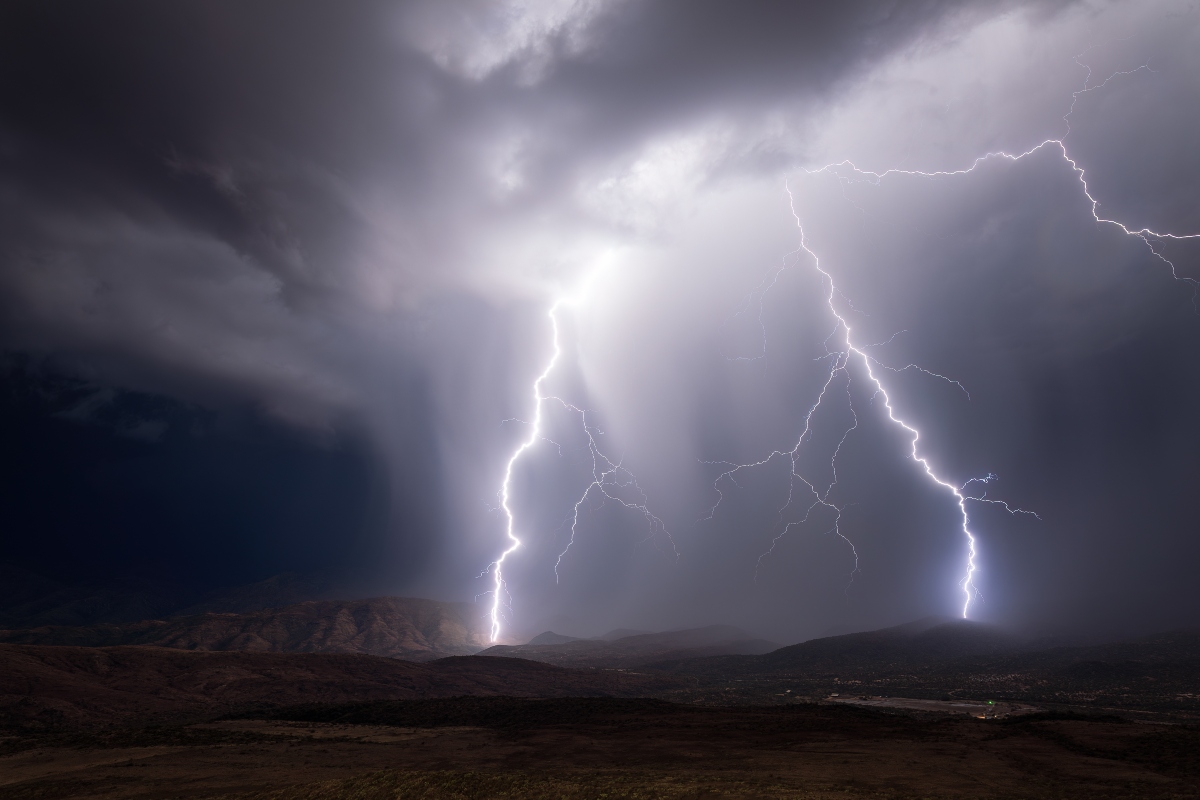
The coastal risk arises from the combination of several factors: narrow beaches due to erosion, intense waves, high water levels, and storms that can produce rainfall that increases the instability of cliffs and slopes.
A succession of storms would be especially problematic because the first wave can remove sand and reduce natural defenses, leaving the same area more exposed to subsequent waves.
However, an intense El Niño does not automatically guarantee flooding or extreme rainfall in every community. The location and trajectory of storms, tides, and local conditions will ultimately determine where the impacts are concentrated.
YOU MAY BE INTERESTED: Monsoon hits the western US: extreme rainfall threatens flooding while lightning increases fire risk
For now, cities like Carlsbad are reacting to the winter. The emergency allows for the acceleration of permits and work aimed at protecting coastal infrastructure while authorities continue to monitor the evolution of the ocean and climate.
Essential Information for California Coast Residents
Some beaches and cliffs are entering the next winter after episodes of erosion, which can reduce their natural capacity to protect homes, roads, and other infrastructure from waves.
NOAA estimates a probability of over 90% that El Niño will reach a very strong intensity during the fall and winter of 2026-27.
The risk increases when strong waves, high tides, elevated ocean levels, and storms coincide over previously eroded beaches. The final impact will depend on when and where these conditions occur.
Those living near beaches, cliffs, or historically flood-prone areas can follow local weather alerts and evacuation warnings, identify safe routes, and avoid beaches, piers, and cliff edges during episodes of strong waves.