Remains of Nearly 800 Babies Found in Mass Grave at Nun-Run Home in Ireland


Posted on 06/20/25 at 01:23
- Baby remains found in septic tank in Ireland
- Nuns concealed hundreds of babies
- Ignored investigation now confirmed
According to People en Español, for decades, a dark secret lay buried beneath a religious home in Tuam, Ireland.
The shocking revelation: the remains of nearly 800 babies were found in a septic tank belonging to an institution run by Catholic nuns.
The Bon Secours Mother and Baby Home operated from 1925 to 1961 as a shelter for unwed pregnant women and their children.
Behind its walls, many of these women were forced to give birth in secrecy and surrender their babies—many of whom died shortly after.
The Silent Fight of Catherine Corless
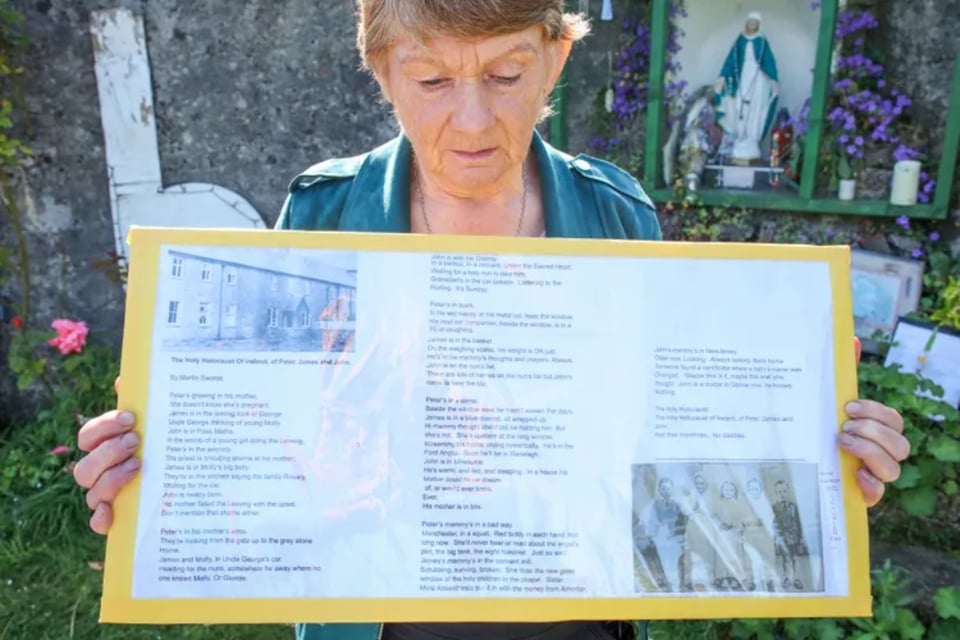 The protagonist of this story is Catherine Corless, a local historian who devoted years of her life to uncovering the truth.
Driven by the unsettling fact that so many deceased children weren’t listed in burial records, she began a solo investigation.
She self-funded her work, combed through every death certificate, and cross-referenced them with church and municipal records.
“In 2014, her findings were shocking: 796 children had died at the home, but only two were officially buried.”
Baby Remains in Ireland Confirmed
 “Many sectors of Irish society dismissed Corless’s claims with contempt.”
Neighbors accused her of ‘tarnishing Tuam’s image’, and some media outlets downplayed her discoveries.
The Catholic Church, directly implicated, responded with coldness and detachment.
But Catherine Corless persisted, convinced she was doing the right thing.
Official Exhumation Begins After Decades
Excavation begins to recover remains of nearly 800 dead babies from former ‘mother and baby home’ in Ireland https://t.co/xhpAHeENP4
— EL MUNDO (@elmundoes) June 18, 2025
Three years later, in 2017, a government-ordered excavation confirmed her worst fear.
The remains were there, beneath the Bon Secours Mother and Baby Home’s foundations, inside a septic tank turned mass grave.
The discovery sparked national and international outrage.
It unveiled an institutional system that, rather than protect, hid and devalued the lives of hundreds of children.
Belated Recognition and National Impact
This Monday, Irish authorities officially began the exhumation process on the site.
The procedure will take at least two years and include forensic analysis, identification of remains, and dignified return to families.
The State has pledged a humanitarian-focused process, following decades of silence and pain.
“I just wanted to do what was right,” Corless told The Irish Times, speaking calmly at age 69.
Baby Remains in Ireland Shake National Conscience
Today, she sees how her often lonely personal fight has made an impact.
The Tuam case is not unique: Ireland has acknowledged systematic abuse in mother and baby homes throughout the 20th century.
“A system that condemned out-of-wedlock pregnancy institutionalized, separated, and stigmatized thousands of women and children.”
“Catholic religious orders primarily ran these homes, with state support or complicity.”
Closing a National Wound
In these places, infant death was common due to malnutrition, medical neglect, or abandonment.
“Authorities or institutions handed many children over for forced adoptions, often without their mothers’ genuine consent.”
The Mother and Baby Homes Commission of Investigation, created in 2015, documented over 9,000 child deaths across 18 institutions.
“Survivors called the final report, published in 2021, inadequate—though it acknowledged both state and religious responsibility.”
A Memory Brought to Light
For many families, the wound remains open—especially for those still searching for their missing children.
The Tuam case represents not just a crime of the past, but a symbol of institutional silence that enabled collective forgetting.
The Irish government has promised reforms and reparations, though it still faces criticism for its delay and lack of empathy.
Meanwhile, Catherine Corless continues to visit the place where the home once stood.