What Lurks Among the Trees? The Creatures of America


Posted on 10/31/26 at 10:02
- Bigfoot connects humanity and nature.
- Jersey Devil blends history and legend.
- Mothman strengthens local identity.
A noise among the trees can be enough to recall a legend. In the United States, different landscapes have their own monsters that fuel the collective imagination.
Bigfoot, the Jersey Devil, and the Mothman star in stories that combine supposed encounters, shared fears, and a strong sense of belonging.
Their persistence does not prove their existence. For folklore experts cited in the source text, these stories allow us to explore our relationship with the unknown.
The cultural question goes beyond identifying a creature: it is also important to understand why certain communities need to keep telling their story.
Jersey Devil: A Legend with Political Background
UNHEARD OF | In the depths of New Jersey’s forests, there is a creature that has caused fear for centuries. It is known as the Jersey Devil, leaving an enigma between what is real and what is #UNHEARD OF
@canal1col https://t.co/vfnQPOTkLq
— inauditotv (@inauditotv) December 6, 2024
In the Pine Barrens of New Jersey, tradition places the birth of a winged, hooved, and tailed being in 1735.
The story originates from a curse placed by Mary Leeds during the birth of her 13th child, though there are other historical explanations as well.
The New Jersey Council for the Humanities connects the myth to religious and political disputes within the Leeds family, as well as editorial rivalries with Benjamin Franklin. Its setting enhances the mystery as the Pine Barrens feature sandy soils and acidic waters, and the protected Pinelands cover approximately 1.1 million acres.
Bigfoot and the Forests that Awaken Our Imagination
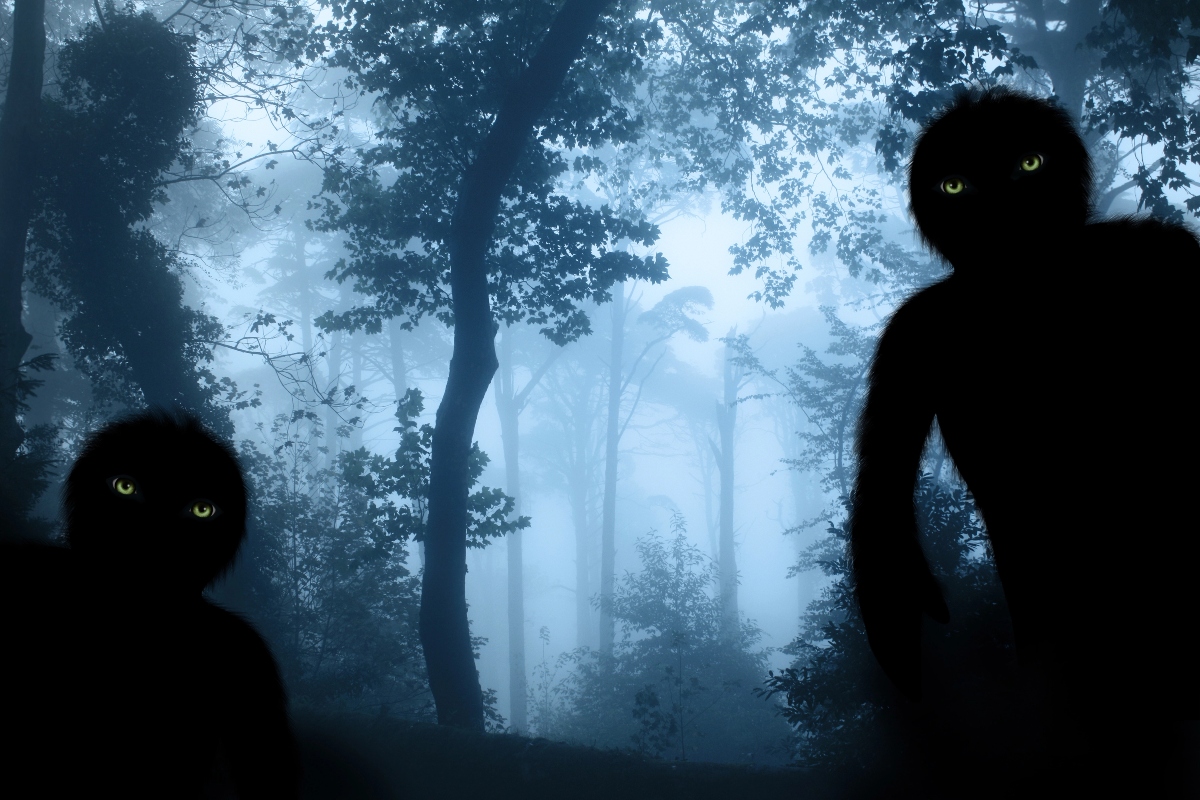
The creature commonly referred to as Bigfoot, and also known as Sasquatch, is often described in folklore and sightings. represents another recurring figure: a human-like being that remains out of reach of everyday life.
Its image is especially associated with the forests of the Pacific Northwest, although different regions of the United States have creatures with similar characteristics.
Among them are the Florida Skunk Ape and the Fouke Monster in Arkansas, mentioned in the source material as regional variants.
Folklorist Lynne McNeill interprets these figures as expressions of the boundary between humanity and nature, especially in territories that we still perceive as untamed.
Mothman: From Supposed Sighting to Local Symbol
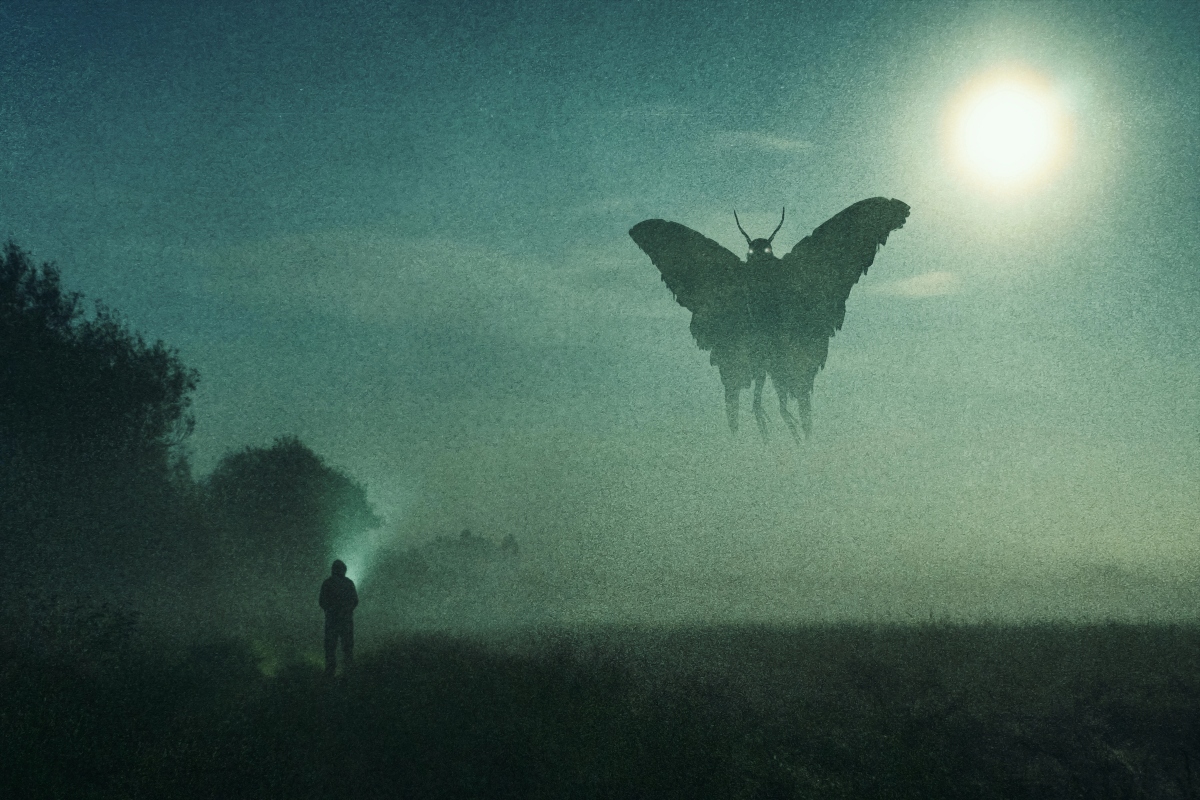
In Point Pleasant, West Virginia, stories about a winged figure with red eyes gained notoriety in November 1966.
The Smithsonian documents how the Mothman went from starring in unsettling stories to becoming a cultural reference closely tied to the locality.
A book published in 1975 and its 2002 film adaptation expanded its reach; a museum opened in 2006 helped preserve the stories.
YOU MAY BE INTERESTED IN: Christa Pike claims she feels constant pain after surviving two lethal injections
This journey shows how a community can transform fear into narrative heritage, gather archives, and share an identity around a legendary creature.
Why These Legends Survive Technology
Folklorist Debra Lattanzi Shutika relates these stories to cultural anxieties: telling stories allows us to give shape to concerns that are difficult to express directly.
It is also important to separate a witness’s sincerity from the verification of their interpretation: a baffling experience does not automatically identify an unknown species.
These creatures serve as recognizable regional symbols that connect generations and sustain conversations about the past, landscapes, and community changes.
Their appeal remains in that uncertainty: imagining what might be hiding in the forest allows us to question how much we know about nature and our own fears.
FORMAT: Photos DepositPhotos
SOURCE: USATODAY