Trump and Xi Face Key Truce: Risk to Prices and Economy


Posted on 09/19/26 at 10:35
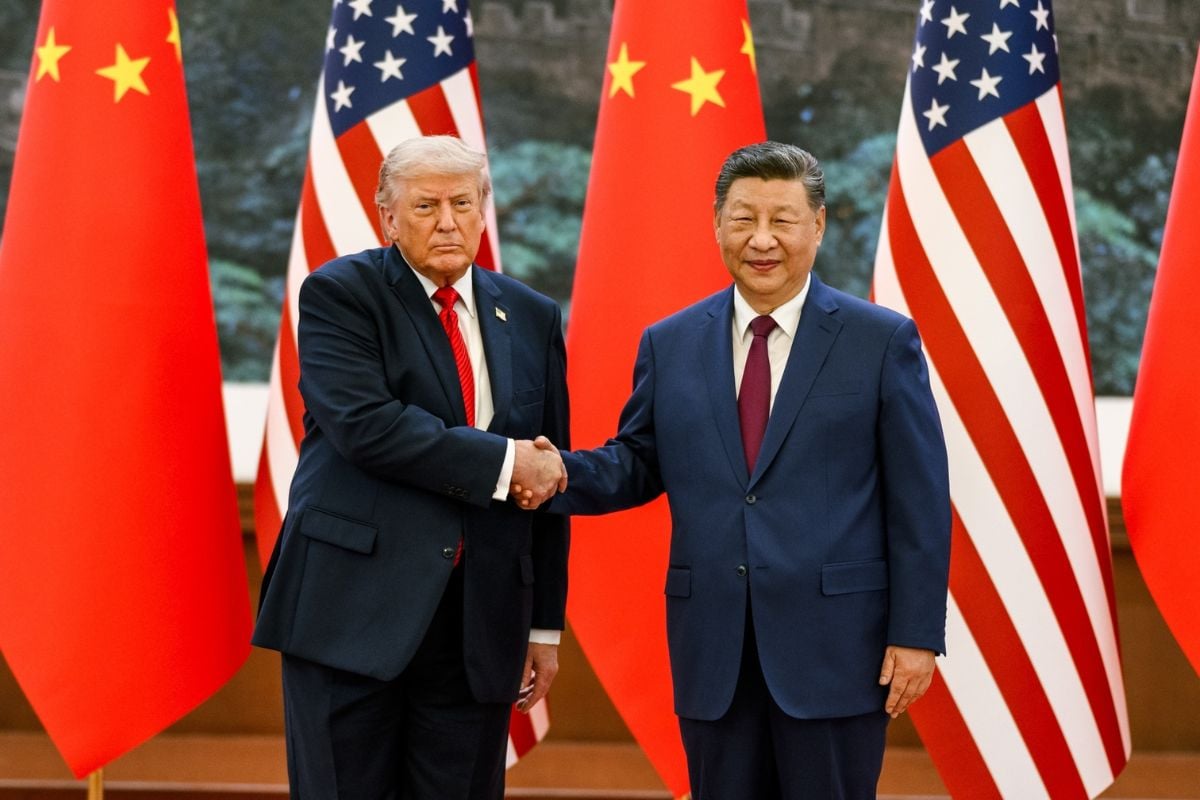
The United States and China are seeking to maintain a trade truce that avoids a new escalation of tariffs while the war in Iran adds pressure on the global economy.
- Planned conversations between Treasury Secretary Scott Bessent and Chinese Vice Premier He Lifeng will also serve to prepare for the meeting between Donald Trump and Xi Jinping.
Why it matters: a breakdown could affect supply chains, business costs, and eventually the prices of products sold in the United States.
The US-China Trade Truce Slows Escalation, but Tariffs Continue
The truce agreed upon in Busan in October 2025, according to an EFE report, reduced some trade barriers after months of strong retaliations between Washington and Beijing.
The United States reduced tariffs related to fentanyl from 20% to 10%, while China temporarily suspended part of its additional duties.
The United States and China are discussing the possibility of reducing tariffs on certain products, including US energy and agricultural shipments, which could be a sign that the leaders’ summit next week will lead to an extension…
— Diario La República (@larepublica_co) September 15, 2026
However, the trade conflict is far from disappearing: China continues to bear the highest effective tariff rate among major US trading partners.
In July, it reached 22.8%, compared to the US average of 6.7%, according to the Penn Wharton Budget Model, with data from the USITC.
Iran Adds Another Risk to Prices and Economy
The calendar adds pressure: the trade truce expires on November 10, so both governments need to decide whether to extend the existing relief measures.
- An escalation would have particularly sensitive consequences now because the war in Iran already represents another source of uncertainty for energy and international trade.
- Higher tariffs directly increase the cost of affected imports, although how much is passed on to consumers depends on companies, suppliers, product substitution, and demand.
Avoiding another trade shock could, therefore, reduce an additional risk to prices and supply chains in an economic scenario already conditioned by geopolitical tensions.
Artificial Intelligence Enters the Negotiation
The dispute is also changing: it no longer revolves solely around goods. Artificial intelligence, semiconductors, and advanced technology are now central pieces of the relationship.
- Bessent told Axios that Washington is willing to talk to China about the «shared risks» of AI during this weekend’s contacts.
The challenge is enormous: the United States seeks to maintain its technological leadership while considering that unilaterally slowing down development could allow China to advance more quickly.
This makes AI simultaneously a terrain of competition and possible cooperation between two powers seeking to avoid an even greater technological division.
Rare Earths: China’s Powerful Card
Rare earths represent another critical point because they are necessary for sectors such as automobiles, semiconductors, defense, clean energy, and advanced technologies.
China used export controls during the 2025 escalation and, although the truce partially suspended some restrictions, it retains this negotiating tool.
Washington also demands progress on commitments related to US agricultural products and rare earths, issues previously raised by Bessent before He.
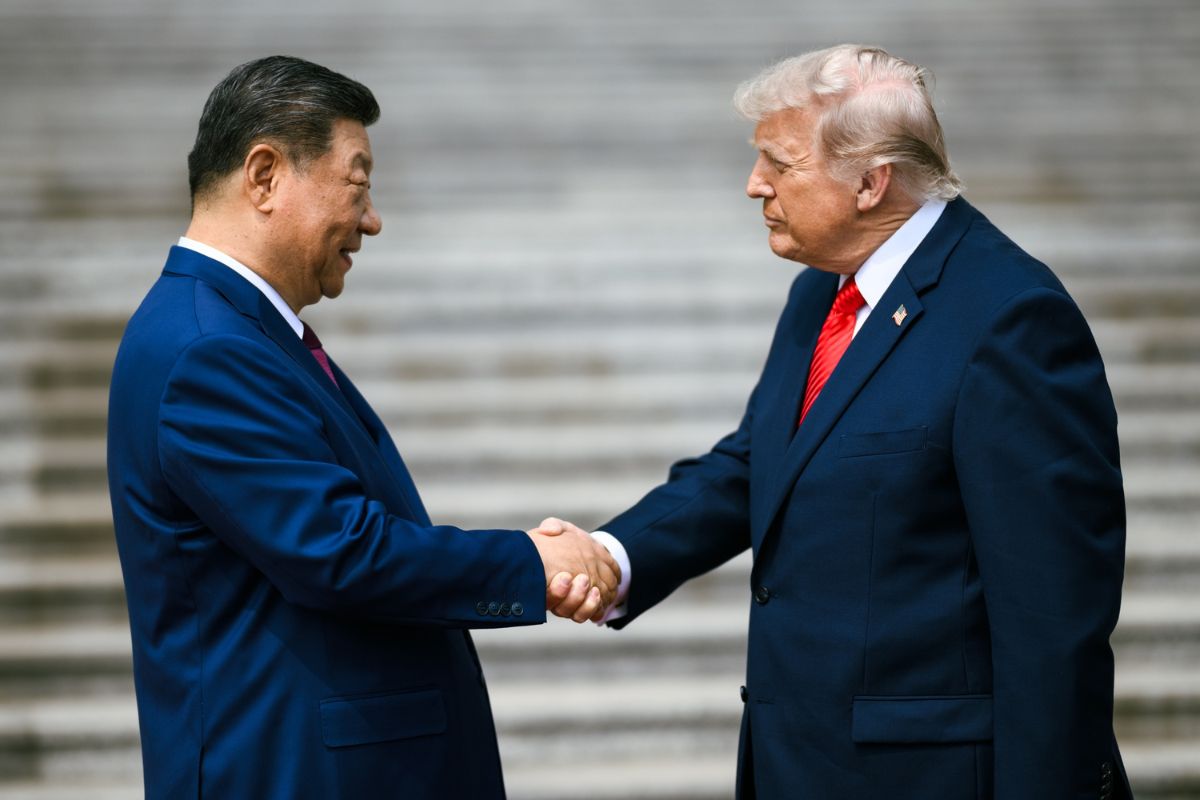
- The Trump-Xi meeting may determine how long this calm lasts. It’s not about ending the rivalry, but about avoiding opening another economic front with tariffs, technology, and geopolitics.