New Legal Battle Against SB4: Effort to Block Texas’ Toughest Immigration Law


Posted on 05/05/26 at 21:22
- Legal Battle Against SB4
- Arrests and Deportations
- State vs. Federal Clash
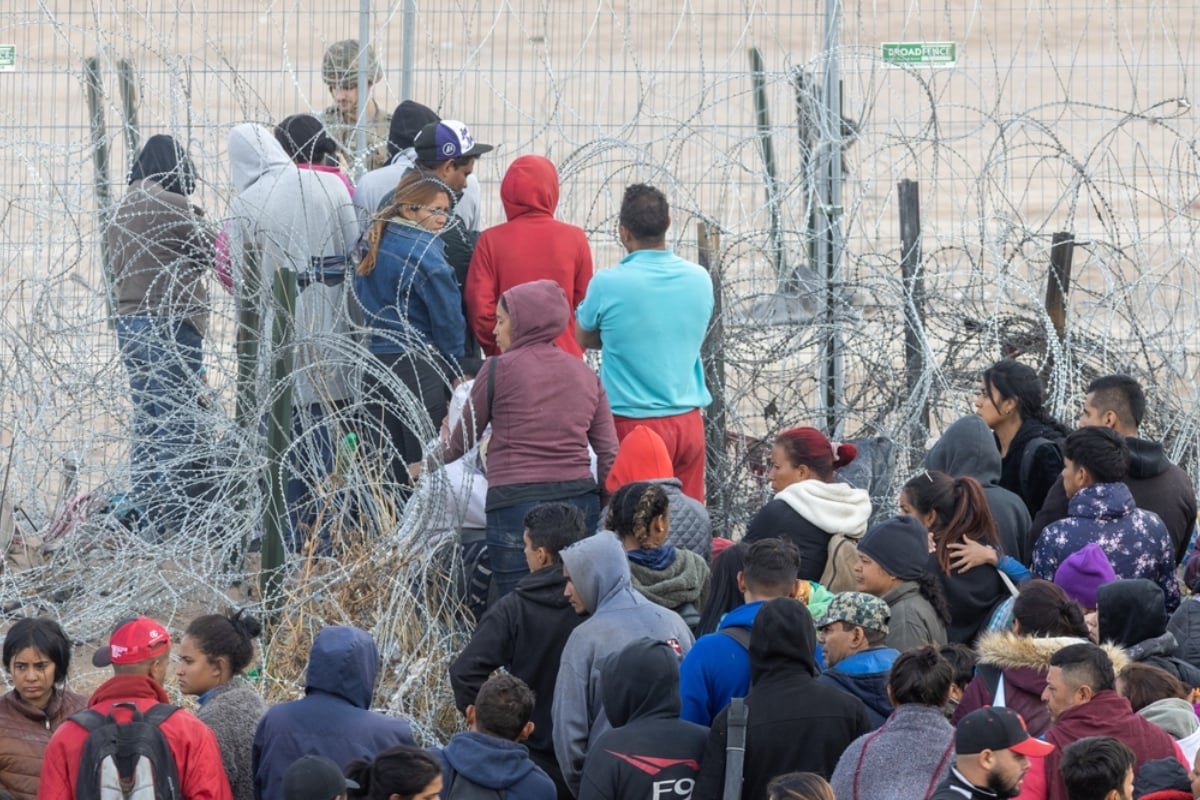
A new legal push aims to block the implementation of several provisions of Texas’ SB4 law, considered one of the harshest state-level immigration measures in the United States.
Civil rights organizations filed a federal lawsuit this Monday to stop key parts of the law, which are scheduled to take effect on May 15.
The complaint was brought by the American Civil Liberties Union (ACLU) and the Texas Civil Rights Project, both of which had previously challenged the law.
Although the legislation was passed in 2023, its implementation had been paused while earlier litigation was resolved.
SB4 Immigration Law Lawsuit Seeks to Block Four Provisions

The new legal action aims to prevent four specific sections of SB4 from taking effect, particularly those related to arrests and deportations.
Among them is the classification of unauthorized reentry into the country as a state crime.
It also challenges penalties for failing to comply with state court immigration orders.
You may also like: Trump Administration Imposes New Rule That Impacts Visa Applications
Additionally, the lawsuit opposes allowing local judges to order deportations—a power traditionally reserved for the federal government.
Another controversial provision requires Texas courts to continue criminal proceedings even when the defendant has a pending immigration case.
Effects of SB4: Severe Penalties and Jurisdictional Conflict
SB4 makes illegal border crossing from Mexico a state-level crime punishable by up to six months in jail.
Repeat offenses could carry sentences of up to 20 years in prison.
Legal advocates argue that this provision encroaches on the federal government’s exclusive authority over immigration policy.
According to the ACLU of Texas, the law would effectively turn state police and judges into immigration enforcement agents.
Political Context and State Pressure
The legal challenge unfolds amid heightened political tensions in the state.
Governor Greg Abbott has pressured cities like Houston, Dallas, and Austin to increase cooperation with Immigration and Customs Enforcement (ICE).
This pressure comes alongside public criticism of stricter federal immigration policies.
A recent appellate court ruling, which questioned the legal standing of plaintiffs in a previous case, forced advocates to adjust their legal strategy.
What’s at Stake
The new lawsuit seeks a federal court order to block the provisions before they take effect.
If the injunction is not granted, Texas could begin enforcing a law that significantly expands the role of state authorities in immigration matters.
The case could once again escalate through the federal court system and reignite debate over the limits between state and federal powers.
Meanwhile, immigrant communities and local officials are closely watching the outcome, which will determine the real scope of SB4 in the coming weeks, as stated by EFE and Boston Herald.