Abortion Rights 2026: Nevada, Virginia and Missouri Vote to Protect Access; Idaho Rejects Measure


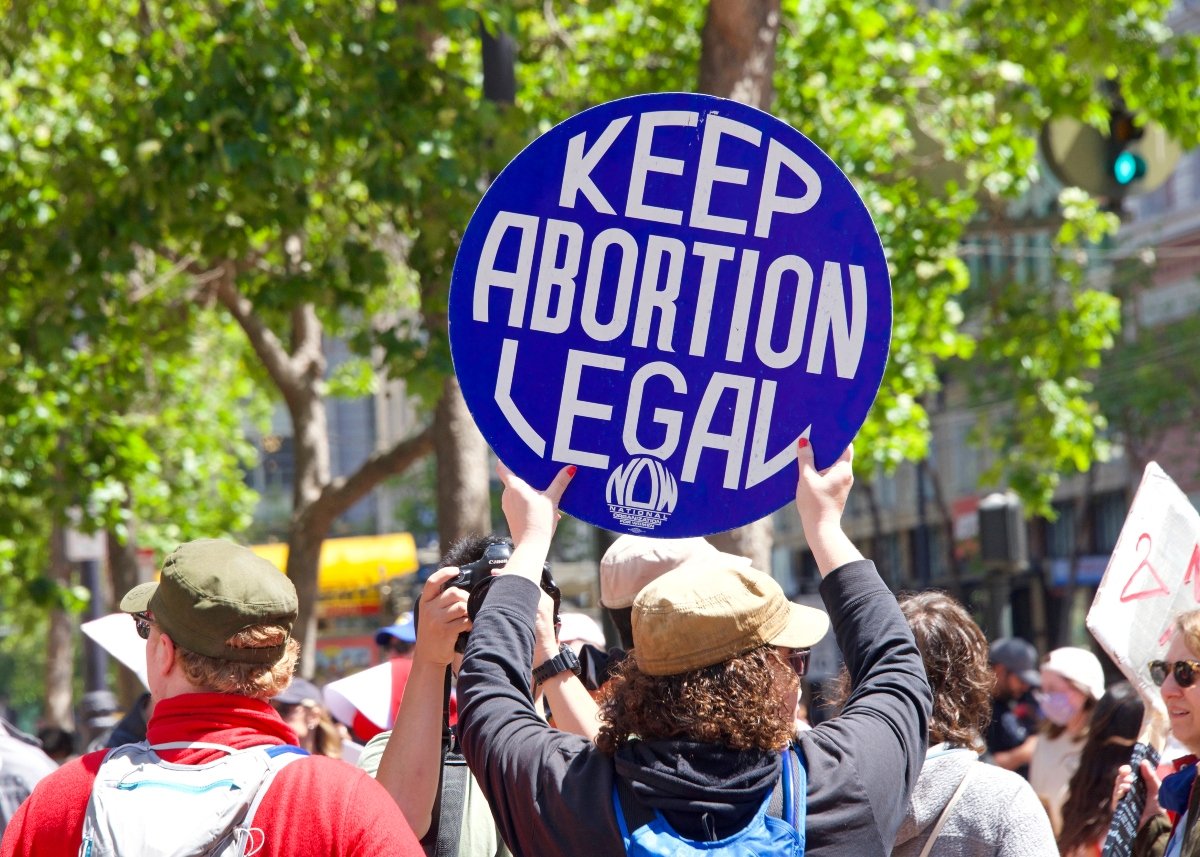
Posted on 11/05/26 at 15:15
Nevada and Virginia approved constitutional abortion rights in the 2026 midterm elections, while Missouri rejected new restrictions. Idaho voters rejected a measure to ease the state’s abortion ban.
Voters in Nevada and Virginia approved measures protecting abortion rights in the November 3 midterm elections, while Missouri preserved existing constitutional protections and Idaho maintained its restrictive laws.
- Why it matters: The results highlight how voters in four states reached different decisions on reproductive rights, an issue largely governed by state law since the US Supreme Court overturned Roe v. Wade in 2022.
Abortion Rights in the US in 2026: Three States Vote to Protect Access
🇺🇸 VOTANTES RESPALDAN EL DERECHO AL ABORTO Y RECHAZAN MEDIDAS DE REDISTRIBUCIÓN ELECTORAL IMPULSADAS POR TRUMP
Los defensores del derecho al aborto obtuvieron victorias en varios estados durante las elecciones del martes. Los votantes también rechazaron dos propuestas relacionadas con los esfuerzos del presidente Donald Trump para redibujar los distritos electorales.
En total, se sometieron a consulta 145 iniciativas en más de tres docenas de estados. Entre los temas figuraron los requisitos de identificación para votar y la participación de personas transgénero en competencias deportivas.
Las consultas coincidieron con una jornada de avances demócratas en el Congreso, gobernaciones y legislaturas estatales.
#EstadosUnidos #Elecciones #Aborto #Trump #americanoticias
— americanoticiasusa (@Americateve) November 4, 2026
Nevada voters approved Question 6 for the second time, establishing constitutional protections for abortion access until fetal viability, generally around 22 to 24 weeks of pregnancy.
The measure also allows exceptions after viability when an abortion is necessary to protect the pregnant woman’s life or health.
YOU MAY BE INTERESTED: Abdul El-Sayed wins in Michigan and will be the first Muslim US senator
The second approval clears the way for abortion protections to become part of Nevada’s state Constitution, following the two elections required for this type of constitutional amendment.
- The fact: In the 2024 election, approximately 64% of Nevada voters supported the same measure.
Under Nevada’s constitutional amendment process, voter-initiated amendments must receive approval in two consecutive general elections held in even-numbered years.
Virginia Approves Constitutional Protections for Abortion and Reproductive Rights

In Virginia, voters approved a constitutional amendment recognizing the fundamental right to reproductive freedom.
The amendment protects abortion access during the first two trimesters of pregnancy, along with other reproductive healthcare services.
- What changes: The measure also protects decisions involving contraception, fertility treatment, and postpartum care, extending its scope beyond abortion.
The amendment establishes constitutional protections for these healthcare decisions, although their implementation remains subject to the conditions and exceptions established by state law.
Missouri Rejects Proposed Restrictions on Abortion Rights
Missouri voters rejected Amendment 3, a Republican-backed proposal seeking to overturn abortion protections approved by voters in 2024.
The measure would have restored broad abortion restrictions, allowing the procedure only under limited circumstances, including medical emergencies, fatal fetal anomalies, and certain cases involving rape or incest before 12 weeks of pregnancy.
- The difference: Rejecting the amendment preserves the reproductive rights protections established in 2024, when voters overturned one of the country’s strictest abortion bans.
As a result, Missouri retains its constitutional framework protecting abortion access until fetal viability, with exceptions under specified circumstances.
Idaho Rejects Proposal to Ease Its Abortion Ban
Idaho voters took a different approach, rejecting Proposition 1, which would have established statutory protections for abortion access until fetal viability.
According to Stateline, 56% voted against the measure and 44% supported it, leaving the state’s near-total abortion ban in place.
- The limit: Idaho’s law permits narrowly defined exceptions, including circumstances involving a threat to the pregnant woman’s life and certain cases of rape or incest.
The different outcomes across the four states reflect the consequences of the US Supreme Court’s landmark 2022 decision.
That year, the Supreme Court overturned Roe v. Wade, ending the federal constitutional protection for abortion recognized under that precedent and returning broader regulatory authority to individual states.
- What’s next: Nevada and Virginia will move forward with their approved constitutional protections, Missouri will retain the safeguards established in 2024, and Idaho’s existing abortion restrictions will remain in effect.