California Rejects Voter ID Requirement: What Changes After Proposition 39 Defeat


Posted on 11/05/26 at 07:00
- California rejects new electoral requirements.
- Signature verification will continue.
- Results are pending official certification.
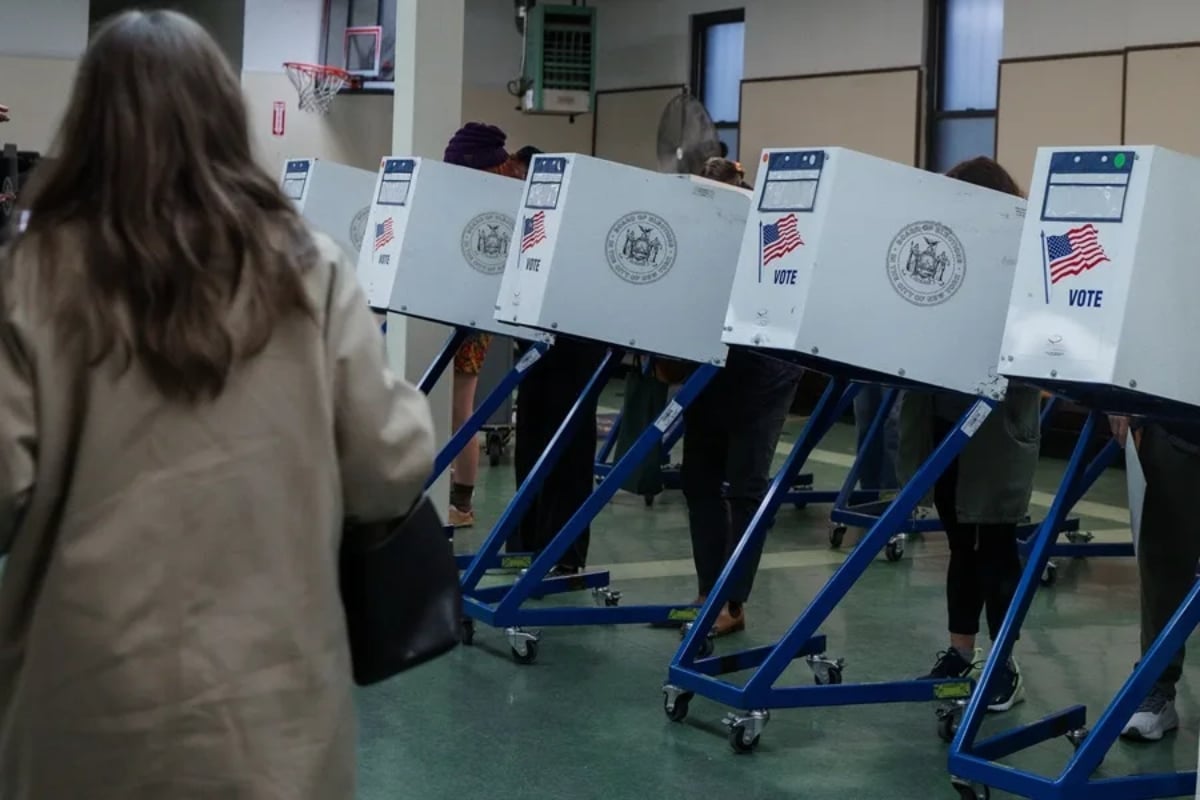
California rejected Proposition 39, which aimed to require a government-issued ID for in-person voting and add requirements for mail-in ballots.
The Associated Press projection confirmed the defeat of the initiative presented in the November 3 midterm elections.
With approximately 59% of the vote counted, the rejection was around 58.5%, according to preliminary results published by KQED with AP data.
These figures may still vary during the count. The projection of the result anticipates the outcome, but does not replace the official certification.
What Proposition 39 Required to Vote in California
#Destination2026 | California rejected voter ID requirements.
https://t.co/JnywgNELAA— N+ UNIVISION (@nmasunivision) November 4, 2026
The proposal sought to modify the state Constitution to require voters to present a government-issued ID when voting in person.
To vote by mail, each voter would have had to previously select a government-issued ID number within their voter registration.
Then, they would have had to write the last four digits of that same number on the return envelope of their ballot.
The measure contemplated invalidating mail-in votes when those data did not match, even if they belonged to another document from the same voter.
How Voter Identity is Currently Verified
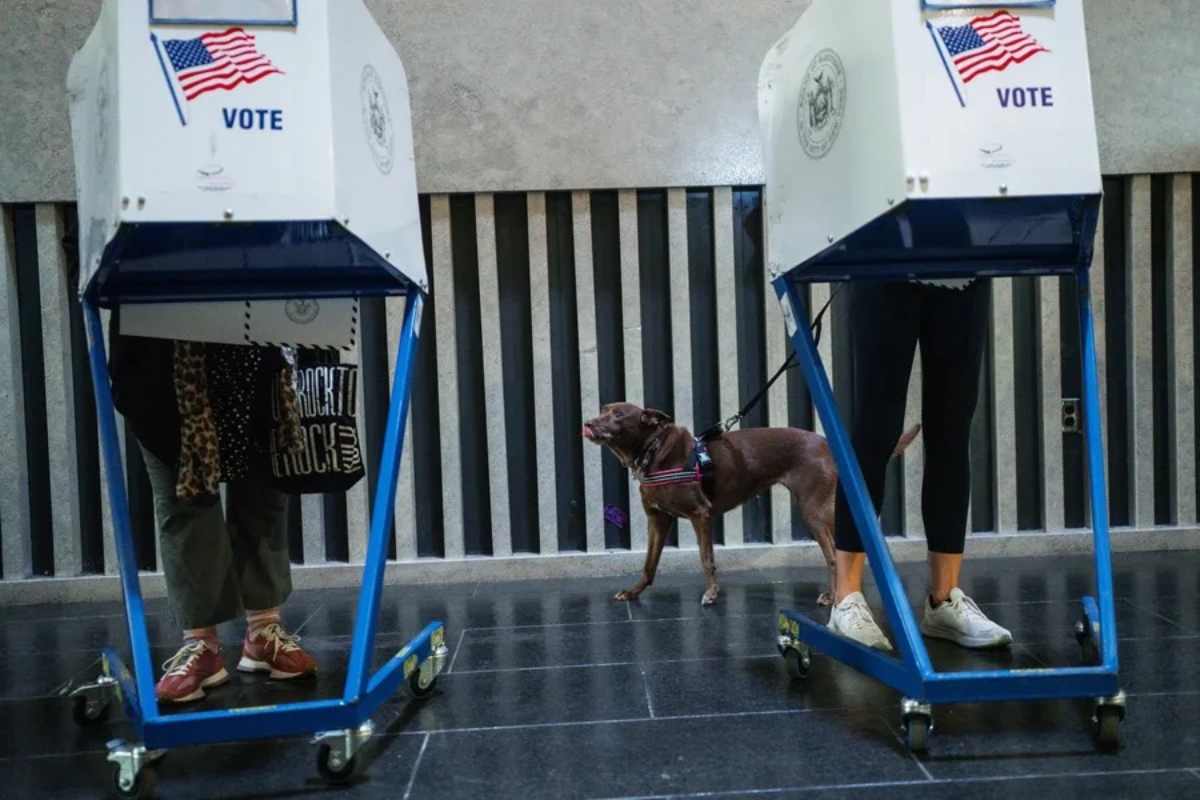
The rejection maintains the current system: identity is established during registration using information such as a driver’s license, state ID, or Social Security number.
To participate in state and federal elections, citizens must meet the residency, age, and eligibility requirements established by California.
In in-person voting, voters are generally identified by signing the register. In mail-in voting, officials verify the signature on the envelope.
There are exceptions: some voters who vote for the first time and did not provide identification information when registering may have to present identification.
The Political Debate Behind Voter ID
The initiative was promoted by Republican Assemblyman Carl DeMaio and presented by its supporters as a tool to strengthen electoral trust.
Opponents warned that adding documents and verifications could make it difficult for people who are eligible to vote to participate.
Ben Monterroso, founder of Mi Familia Vota and advisor to Poder Latinx, told EFE that the proposal introduced unnecessary barriers.
YOU MAY BE INTERESTED: James Talarico becomes the first Democratic senator elected by Texas in 38 years
The controversy is particularly relevant for Latin American organizations dedicated to informing and mobilizing eligible citizens in a state with broad diversity.
What the Result Means for California Voters
The defeat prevents the new requirements included in this proposal from coming into effect and preserves the current electoral identification mechanisms.
It also avoids the additional expenses forecast to implement it: from tens of millions to hundreds of millions of dollars annually.
For voters, the next step is to check the tracking of their ballot and attend to any notifications from electoral authorities.
The final results should be consulted at the Secretary of State’s office and the electoral offices of each county as certification advances.