Latino Festivals Return to Chicago as Fear of ICE Threatens Attendance


Posted on 09/08/26 at 11:34
- Latino festivals return to Chicago
- Mexican Independence Day Parade remains scheduled
- Fear of ICE operations persists
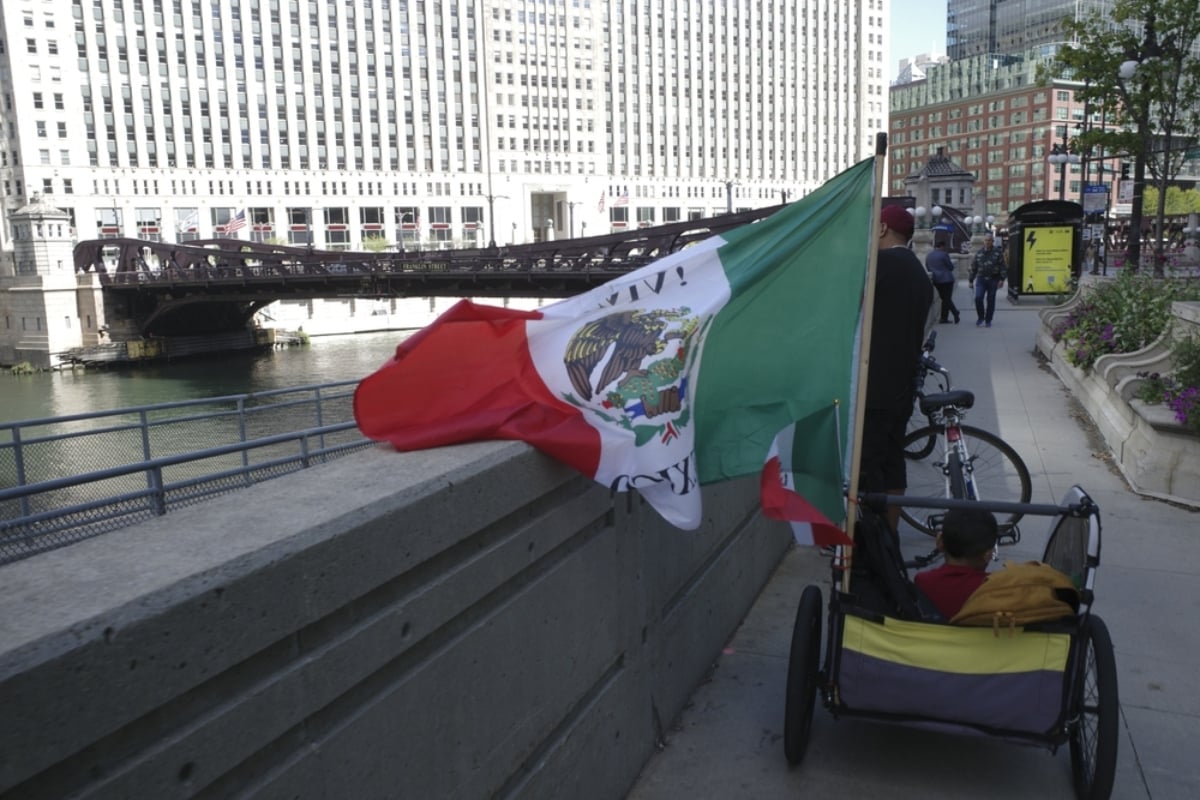
Chicago enters September with the return of some of its largest Latino festivals, but in Little Village and Pilsen, the celebrations coexist with a concern that is difficult to ignore: immigration enforcement operations.
The Mexican Independence Day Parade on 26th Street is confirmed for Sunday, September 13, despite concerns about ICE already affecting attendance at previous events.
The celebration marks its 55th year and will take place in Little Village under the slogan “Unidos Cabalgamos, Más Fuertes Que Nunca” (“United We Ride, Stronger Than Ever”) at a particularly sensitive time for local merchants and families.
Attendance will also carry economic consequences: Restaurants, vendors, and small businesses depend on these celebrations to generate income before winter reduces commercial activity.
Chicago’s Mexican Parade Moves Forward Despite Fear of ICE
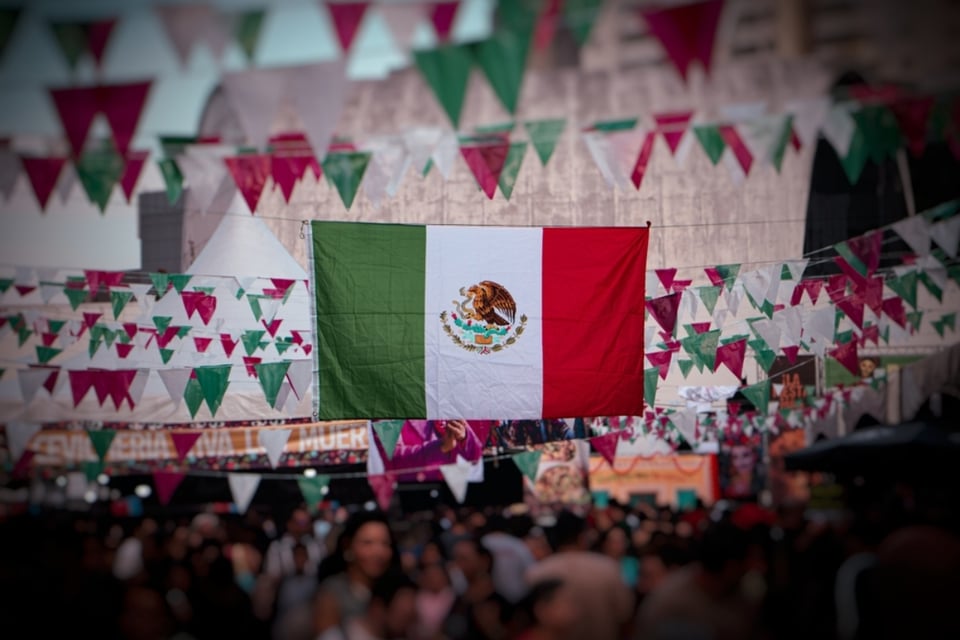
The Little Village Chamber of Commerce has scheduled the parade from 12:00 to 3:00 p.m., beginning at Albany Avenue and 26th Street and continuing to Kostner Avenue.
In previous years, the celebration has attracted more than 400,000 spectators and participants, transforming the commercial corridor into one of the centers of Chicago’s Mexican community.
YOU MAY BE INTERESTED IN: ICE Breaks Arrest Record as Thousands Detained Without Criminal Histories
However, the 2025 precedent is concerning: The Chicago’s Mexican parade took place, but merchants and attendees reported significantly lower turnout amid fears generated by federal immigration operations.
Community groups responded by deploying observers and rapid-response teams and distributing information about legal rights, measures that are once again relevant ahead of the September celebrations.
Little Village Has Already Paid a Price for ICE Operations
The concern is not hypothetical: The Cinco de Mayo parade was canceled for the second consecutive year in 2026 because of fears surrounding federal immigration enforcement actions.
Michelada Fest was also canceled in 2025, while merchants along 26th Street reported unusually quiet streets during dates that traditionally provide important business opportunities.
The situation places vendors in a difficult position: They must decide whether to participate in potentially profitable events while some families consider whether attending large gatherings could pose a risk.
Organizers, however, have defended their decision to maintain the September parade, arguing that canceling a decades-old tradition would represent another blow to a community already facing economic and immigration pressures.
Pilsen Bets on Tacos, Tequila, Culture, and Music
As Little Village prepares for its major parade, Pilsen will have another opportunity to attract visitors with the Sabor Taco and Tequila Fest, scheduled for September 25 through 27.
The festival will return to the area around 18th and Halsted streets with tacos, drinks, vendors, and performances by local musicians and DJs, with a suggested $5 admission donation.
On September 26, Chicago Humanities will also celebrate Pilsen Day with a dozen programs held between the National Museum of Mexican Art and Thalia Hall.
The events will coincide with National Hispanic Heritage Month, which runs from September 15 to October 15 and traditionally increases the visibility of Latino businesses and cultural traditions.
Latino Businesses Have More at Stake Than a Celebration
For small business owners, these festivals involve weeks of preparation, permits, inventory purchases, and hiring, but this year they face one factor they can barely control: how many people will decide to stay home.
Concerns about ICE could transform an immigration issue into an economic one if reduced attendance ultimately affects sales at restaurants, stores, street vendors, and other family-owned businesses.
Community organizations remain alert to the possible presence of federal agents and continue their information and monitoring efforts, while the announced events officially remain on the calendar.
September therefore represents a test for two iconic neighborhoods: preserving their traditions and maintaining economic activity while part of the community weighs celebration against uncertainty and immigration fears, according to Latin Times, CBS News, and ABC 7 Chicago.