Know Your Rights When Recording Immigration Raids


Posted on 10/11/26 at 23:01
- Recording in public is protected.
- Maintain distance during the operation.
- Keep original videos as evidence.
Witnessing an immigration detention presents an immediate decision: how to document what happened without exposing yourself. Knowing the observer’s rights helps to act calmly.
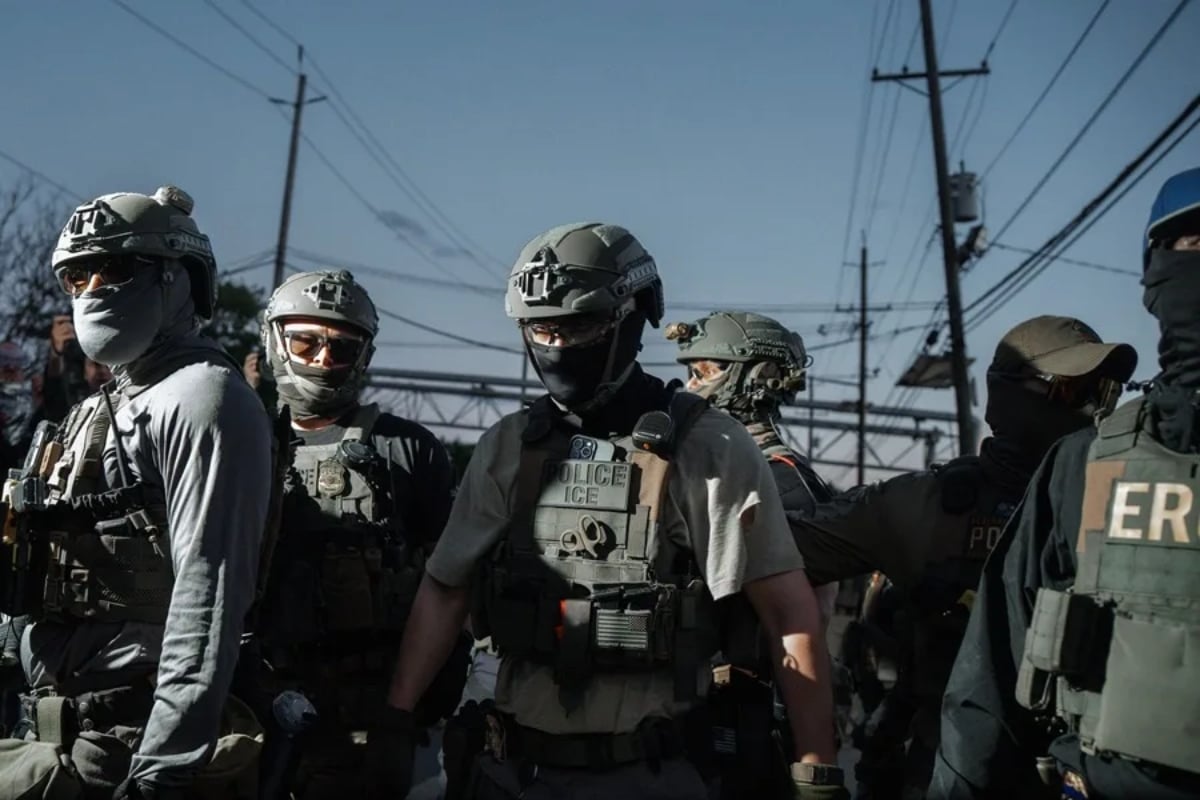
The First Amendment generally protects photographing and recording ICE agents while they perform their duties in public spaces.
This protection is not reserved for journalists nor does it depend on having U.S. citizenship, explains the Immigrant Legal Resource Center (ILRC).
However, recording does not guarantee avoiding threats or undue detentions. The ACLU warns that exercising this right also requires evaluating the risks.
How to Record ICE Without Obstructing an Operation

The ILRC recommends observing from a permitted location and maintaining sufficient distance so as not to block agents, detained individuals, or their vehicles.
If an officer orders you to step back, advise doing so calmly and, in the recording, leave a verbal record that you are complying with the instruction.
Avoid physically intervening in the arrest. Documenting an action allows for the preservation of evidence to question it later, without increasing the confrontation at the moment.
Also, do not enter private properties or restricted areas to get better images. The right to record has location-related limits.
What an Agent Can Do With Your Cell Phone

According to the ACLU, as a general rule, reviewing the phone’s content without consent requires a court order; a verbal demand does not equal it.
If you are under arrest, an agent can seize the device, but that does not automatically authorize inspection of its photos, messages, or videos.
You can quietly express that you do not consent to the review. Avoid struggling to keep the phone, and seek legal assistance if you believe your rights have been violated.
Authorities cannot legally delete your recordings. Keeping them is important when there are conflicting accounts of how a detention occurred.
What to Respond if ICE Questions the Observer
If agents detain you while observing, ask if you can leave. If they respond affirmatively, walk away calmly, the ILRC recommends.
You can state that you will exercise your right to remain silent, especially when asked about your place of birth, entry into the country, or immigration status.
Remaining silent does not mean providing false information. Do not present false documents or lie about your identity to try to end the encounter.
YOU MAY BE INTERESTED IN: ICE detains Hispanic father while eating a baleada in Memphis; his family asks for help to release him
If you are detained, request to speak with a lawyer before responding or signing documents. This request should be made clearly, without physical resistance.
How to Preserve Evidence of a Possible Irregularity
Note the date, time, location, visible identifications, and vehicle characteristics. These details can help reconstruct the facts and support a complaint.
Keep a safe copy of the original file and avoid modifying it. Also, keep the contact information of other witnesses who agree to share their data.
Before publishing, consult with the affected person’s family or legal representation: disclosing faces and identifiable data can harm them.
Contact a civil rights organization to evaluate the next steps. A preserved video can serve as evidence beyond social media.
SOURCE: La República