ICE Sets Limits on Which Agents Can Stop Vehicles, According to ABC


Posted on 10/02/26 at 21:05
- ICE modifies rules for stopping vehicles
- Only trained agents can lead interventions
- Change occurs after recent shootings
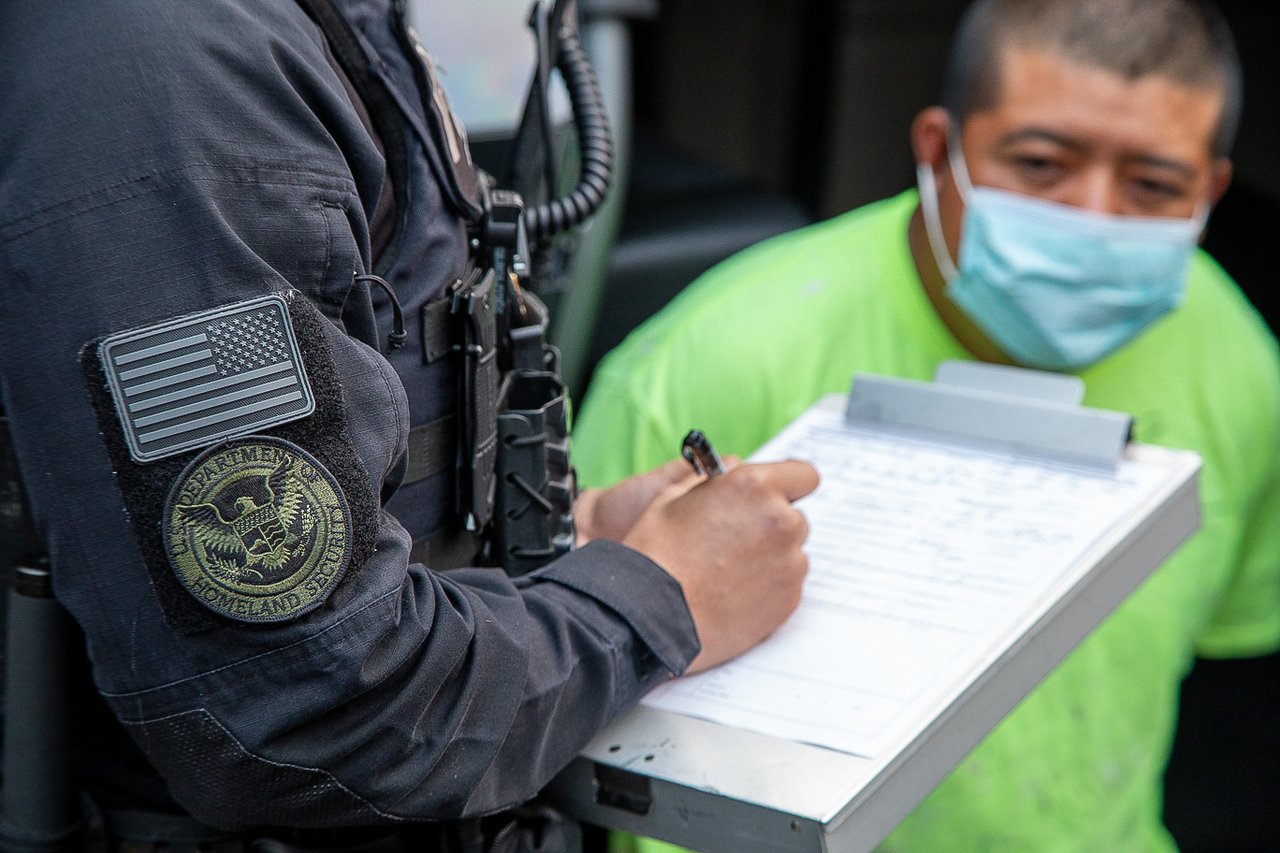
The U.S. Immigration and Customs Enforcement (ICE) has modified its policy on which agents can stop vehicles and what procedures must be followed during these interventions, according to sources familiar with the change cited by ABC on Thursday.
The agency issued several guidelines this week determining that only agents from ICE’s Enforcement and Removal Operations (ERO) division who have completed the relevant training will be able to participate in the stops, the source, who asked not to be identified, detailed.
Agents without the proper training will only be able to provide assistance, but will not be able to act as the primary authority in charge of the intervention, the source added.
ICE: Where Does the Measure Come From?
ICE requires training and body cameras for its agents. 👇🏻https://t.co/W4EIsdQbUH
— Notigram (@Notigram) October 2, 2026
The measure comes after several operations in which ICE agents attempted to stop vehicles and ended up firing their guns.
The latest incident occurred on September 20, when an ICE agent shot 28-year-old Wilber Garcés after a migrant stop in north Austin, Texas.
The shooting occurred just over two months after an ICE agent killed 52-year-old Mexican migrant Lorenzo Salgado Araujo on July 7 in Houston, Texas.
Increase After Trump’s Mandate
These incidents are happening amid an increase in migrant operations during President Donald Trump’s second term.
A report published in July by The Washington Post counted at least seventeen drivers shot during federal immigration agents’ operations since Trump’s return to the White House, six of whom died. The count includes actions by ICE and other federal immigration agencies.