ICE Detains Two University Professors in Maryland Despite Valid Work Authorization


Posted on 08/06/26 at 11:37
Two academics affiliated with prestigious universities were detained by ICE agents at airports despite having authorization to work in the United States. Both cases have reignited debate over how ICE immigration arrests are applied to individuals with ongoing legal immigration proceedings.
- Why it matters: These two cases show that having a valid work permit does not necessarily prevent an immigration detention if there are issues related to a person’s visa or immigration status. This situation can affect individuals with pending asylum applications or other unresolved immigration cases.
ICE Arrests Two University Professors from Two Universities, Following a Similar Pattern
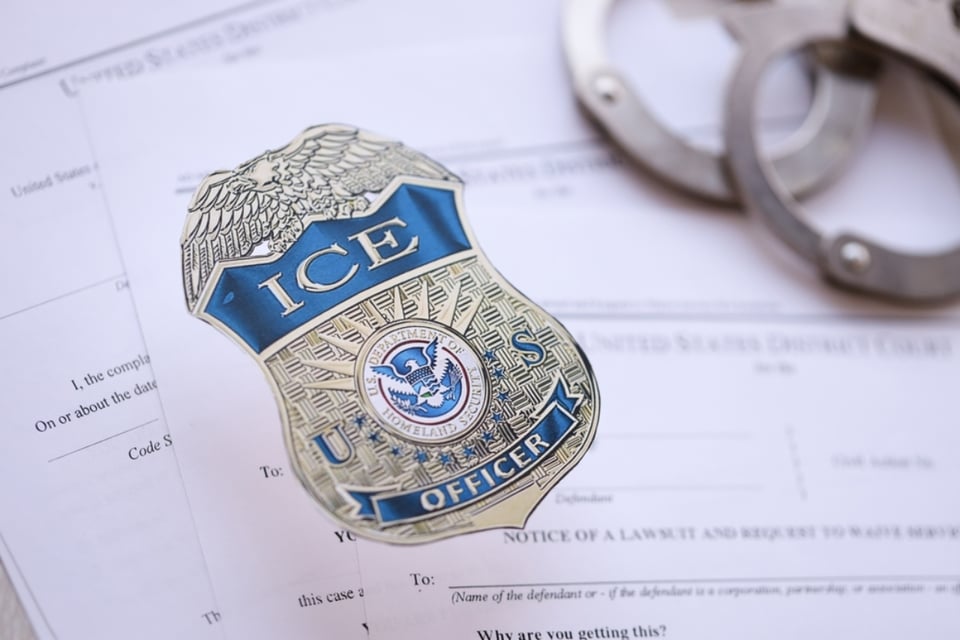
The most recent case involves Dr. Berhanu Kibret, a professor at the University of Maryland School of Pharmacy in Baltimore. According to the university, as well as reports by CBS News and The Guardian, he was detained by ICE on July 21 at Dallas-Fort Worth International Airport while returning from a conference where he had received the «Professor of the Year» award.
Days later, federal agents also detained Fatima Ameaka, a researcher at Johns Hopkins University, as she boarded a domestic flight at Baltimore/Washington International Airport. She was later released and returned to Maryland.
YOU MAY ALSO LIKE: Mexican Immigrant Population Declines in the U.S.: How Could Trump’s Policies Affect the Economy?
- The pattern: Both worked at well-known universities and had authorization to work in the United States.
- The difference: The arrests were tied to the status of their visas, not to the existence of valid work authorization.
Visa and Work Permit Are Not the Same Document
The universities maintain that both Kibret and Ameaka were legally authorized to work in the United States.
The University of Maryland stated that Kibret has a valid work permit and expressed hope that any issues related to his immigration status will be resolved quickly so he can return to his academic duties.
In Ameaka’s case, documents cited by The Guardian indicate that she held a work permit valid through 2029 and had a pending asylum application.
However, the Department of Homeland Security (DHS) says both individuals remained in the United States after their visas expired, which is why they were taken into ICE custody while their immigration proceedings continue.
- Key point: A valid work permit does not automatically replace lawful immigration status or extend the validity of a visa.
Universities and the Government Offer Different Accounts
Both academic institutions publicly expressed support for their researchers and highlighted their professional accomplishments.
The University of Maryland described Kibret as a highly respected professor and expressed concern about the impact of his detention on the university community. Johns Hopkins also stated that it provided support to Ameaka, including legal representation during her case.
For its part, DHS maintains that both individuals remained in the country beyond the period authorized by their visas and that the ICE immigration arrests were carried out in accordance with federal immigration law.
- What’s next: At this time, there has been no court ruling determining whether the detentions were improper.
ICE Immigration Arrests Coincide With Increased Enforcement Operations
According to information confirmed to EFE by a senior DHS official, ICE recorded more than 50,000 detentions during July, the highest monthly total since Donald Trump returned to the White House.
Enforcement operations have expanded to a wider range of locations, including airports, while immigrant advocacy organizations say they are seeing an increase in arrests of people who are already in the immigration system with pending applications or ongoing legal proceedings.
- The context: The cases of Kibret and Ameaka raise important questions for immigrants with pending asylum claims, valid work permits, or other immigration processes who need to travel within the United States.