Cinnamon Supplements May Reduce Medication Effectiveness, Study Finds


Posted on 09/08/26 at 08:02
- Cassia cinnamon raises greater concern
- It may alter the effects of some medications
- Human studies are still lacking
Cinnamon is often associated with health benefits, but consuming large quantities as a supplement could have an unexpected effect on certain medications.
According to EatingWell, a University of Mississippi study found that certain components of cassia cinnamon could interfere with how the body processes some drugs.
The finding does not mean people taking medications should eliminate cinnamon from their diets, but it does raise concerns about concentrated supplements and excessive consumption.
- The most important point: The study was conducted in a laboratory rather than directly in humans, so researchers warn that clinical trials are still necessary to confirm the effect.
What the Study Reveals About Cinnamon and Medications
How Could Cinnamon Interfere With Medications?
Researchers recreated laboratory conditions similar to those in the human digestive system using gastric acid, liver and intestinal cells, and enzymes.
They analyzed different cinnamon components, including cinnamon oil, cinnamaldehyde, and cinnamic acid, under conditions simulating fasting and the period after eating.
The study found that cinnamaldehyde moderately activated certain receptors responsible for detecting and responding to foreign substances in the body.
This reaction is important because, according to scientists, it could promote interactions between cinnamon and certain medications and alter how long they remain in the body.
“Consuming excessive cinnamon supplements could cause a rapid elimination of prescribed medications from the body,” explained Shabana Khan, one of the authors, according to statements reported by EatingWell.
In practical terms, the hypothesis is that some medications could leave the body too quickly, giving them less time to produce the expected effect.
However, the researchers themselves urged caution when interpreting the results.
Bill Gurley, another scientist involved in the study, said there is a potential interaction risk but emphasized that researchers will not know exactly what happens until clinical trials are conducted in humans.
Not All Types of Cinnamon Pose the Same Risk
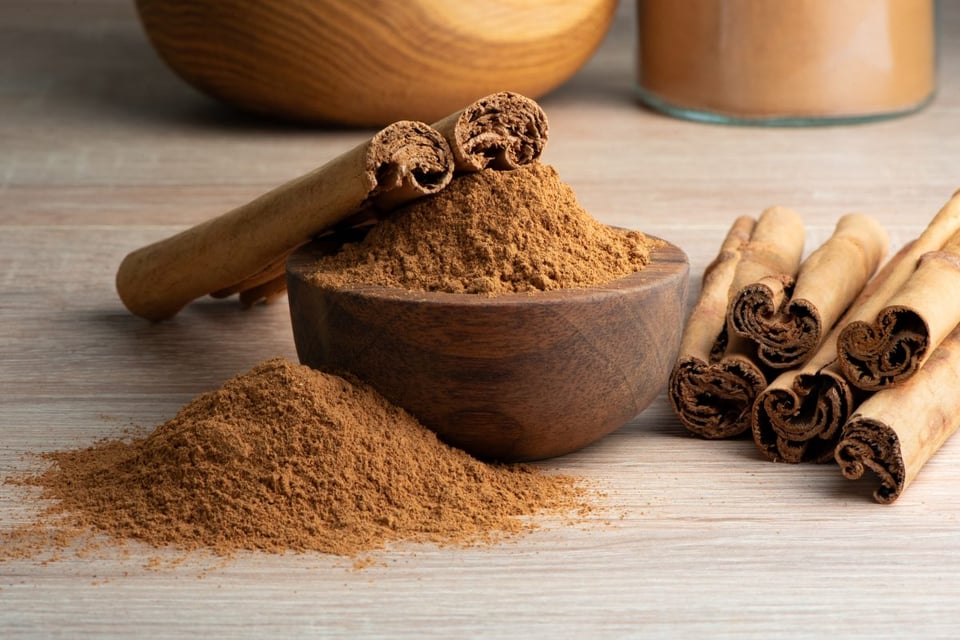
EatingWell highlights an important distinction: The concern primarily involves cassia cinnamon, particularly when consumed in large quantities or as a supplement.
Cassia is one of the most common cinnamon varieties in the United States, mainly because it is less expensive and has a stronger flavor than Ceylon cinnamon.
Researchers found notable differences among the various forms:
- Cassia cinnamon: Could present a greater risk when consumed in concentrated or excessive amounts.
- Ceylon cinnamon: Did not show the same potential for interaction observed with cassia.
- Cinnamon oil: According to researchers cited by EatingWell, showed a very low risk of herb-drug interactions.
Cassia also contains higher concentrations of coumarin, a compound that can affect blood clotting.
For this reason, EatingWell notes that frequent consumption in large quantities deserves particular attention among people taking anticoagulants or other medications related to blood clotting.
The medications mentioned include warfarin (Coumadin), apixaban (Eliquis), clopidogrel (Plavix), and aspirin.
This does not demonstrate that a small amount of cinnamon added to coffee, oatmeal, or dessert will neutralize these medications; the primary concern involves high doses and supplements.
Should You Stop Consuming Cinnamon if You Take Medication?
According to the information published by EatingWell, the answer is not necessarily.
Jessica Ball, the outlet’s senior nutrition editor, explained that much of the research uses cinnamon oil or concentrations of cinnamaldehyde higher than those normally obtained by adding the spice to food.
Therefore, moderate culinary use should not be confused with taking daily capsules or concentrated cinnamon supplements.
Researchers recommend that people with chronic conditions consult a healthcare professional before beginning cassia supplements or regularly consuming large quantities.
This recommendation applies particularly to people with conditions such as diabetes, hypertension, cancer, arthritis, asthma, or depression, among other illnesses that may require ongoing medication.
EatingWell also notes that people who regularly consume cinnamon could choose Ceylon cinnamon as an alternative, which is typically identified explicitly on the product label.
- In conclusion: The study does not yet demonstrate that consuming cinnamon causes medication to stop working, but it identifies a mechanism that could produce interactions when cassia is consumed in high concentrations.
The research also reinforces an important recommendation: A supplement made from a familiar spice or “natural” ingredient is not necessarily free of potential medication interactions.
Warning: This content is for informational and educational purposes only and does not replace the advice, diagnosis, or treatment of a healthcare professional. Do not stop or modify any medication or supplement without first consulting your doctor or pharmacist.
You may be interested in: Are you gaining weight and developing bruises? Everything you should know about Cushing’s syndrome
SOURCE: Eating well / Muy Interesante Revista / Telemundo 52