What is the purpose of the VSR vaccine for pregnant women?



Posted on 09/06/26 at 18:31
- FDA approves first VSR vaccine
- Protection for babies against this virus
- Vaccine and antibody against respiratory syncytial virus
On August 21, it was reported that the FDA (Food and Drug Administration) had approved the first vaccine against the respiratory syncytial virus.
As a result, the US will have a new tool to protect babies against this highly contagious virus.
Additionally, RSV is the most common cause of respiratory infections in young children.
It can be very severe in children under 6 months and is the leading cause of infant hospitalization in the United States.
Impact of RSV on Child Health: Alarming Figures
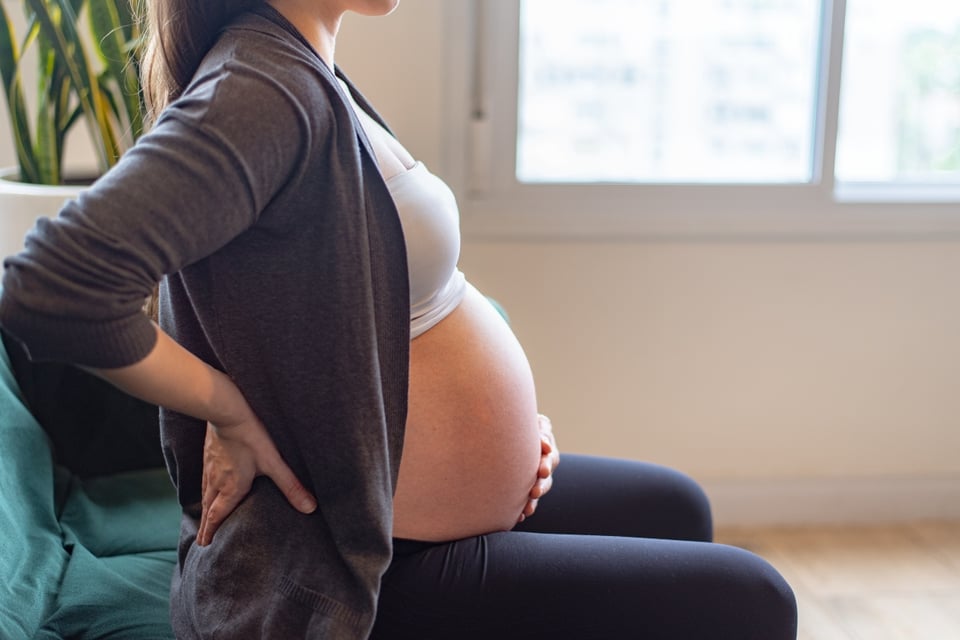
To make matters worse, the respiratory syncytial virus (RSV) is associated with half a million emergency room visits.
In other words, nearly 100,000 hospitalizations and 300 deaths in young children in the United States.
Sold under the brand name Abrysvo, this vaccine was approved for use between 32 and 36 weeks of pregnancy.
This aims to protect babies from birth to 6 months of age.
Recommendations and Alternatives for Child Protection
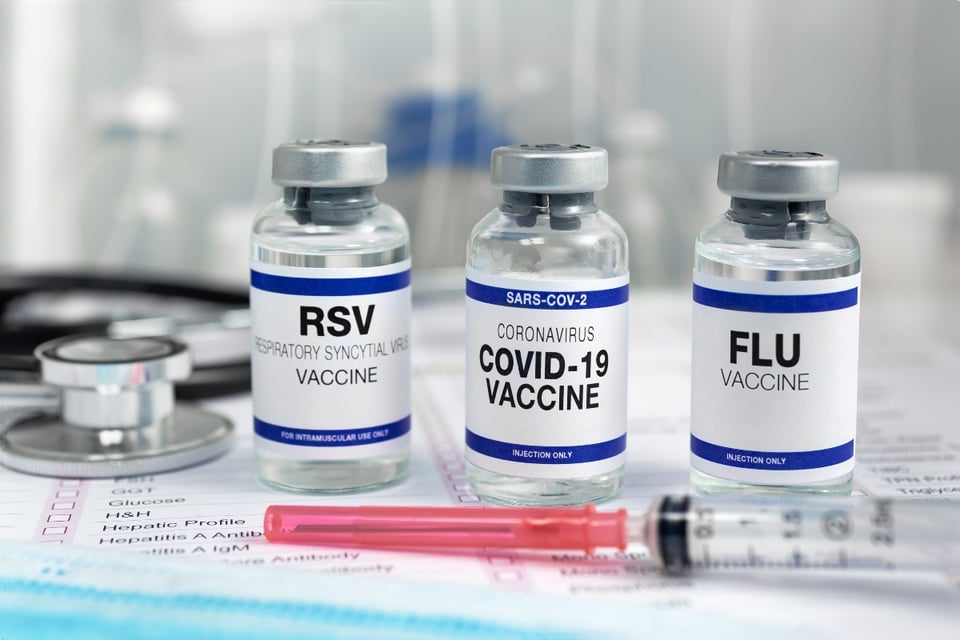
The Centers for Disease Control and Prevention plan to meet in October.
The reason? The CDC will establish recommendations for the use of Abrysvo, which could be available in a few months.
It is worth noting that in mid-July, the FDA approved a single-dose, long-acting monoclonal antibody.
Named nirsevimab, this antibody is sold as Beyfortus and is for newborns and children up to two years old.
Protection Options for Future Mothers
It is ensured that the approval of the RSV vaccine for pregnant women marks a significant event.
With these two options (the maternal vaccine and the monoclonal antibody), there is doubt about the pros and cons that may exist.
The vaccine, based on proteins, takes a similar approach to the Tdap vaccine, or pertussis.
This is administered between 27 and 36 weeks of pregnancy to protect babies against tetanus, diphtheria, and pertussis.
Evidence of Efficacy and Safety
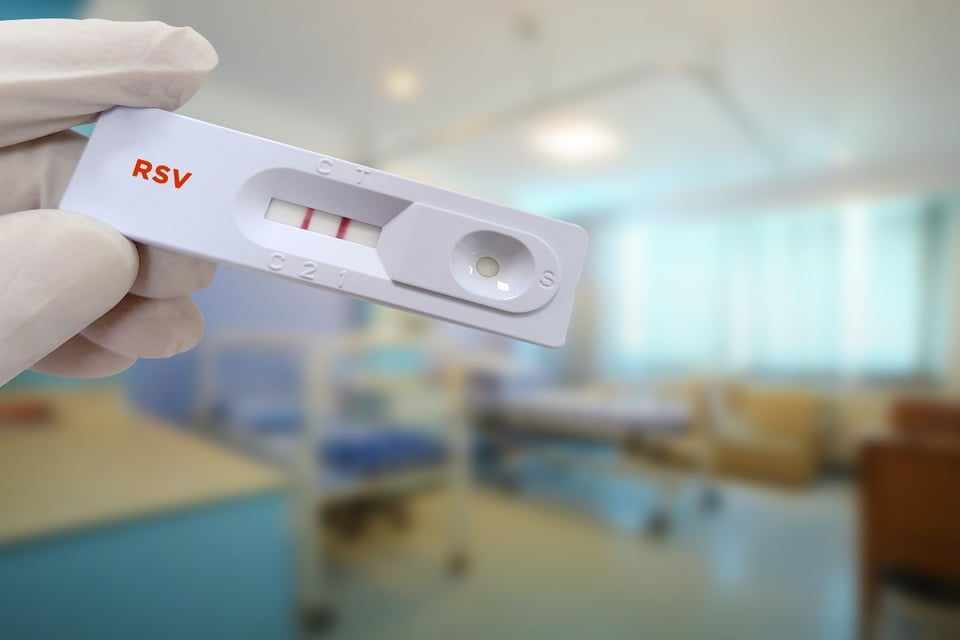
On the other hand, the FDA based its approval on data from clinical trials of more than 7,000 participants in 18 countries who received the RSV vaccine.
In this trial, the maternal vaccine prevented 82 percent of severe lower respiratory tract diseases.
The vaccine will include a warning about an increase of less than 1 percent in preterm births observed in the group that received the vaccine.
Today, there is no evidence that the vaccine is related to premature birth, and the 1 percent increase was not significant.
Alternative for Pregnant Women Ineligible for the RSV Vaccine

On the other hand, for pregnant women who cannot receive the RSV vaccine, there is the option of providing pre-prepared antibodies.
As mentioned earlier, Beyfortus is a monoclonal antibody approved for babies up to 8 months old.
It is administered as a single injection of laboratory-made human antibodies and helps protect against various diseases.
Among these diseases are bronchiolitis and pneumonia, both caused by the respiratory syncytial virus (RSV).
Effectiveness of the Vaccine and Monoclonal Antibody in Preventing RSV
Finally, it has been shown that both the maternal vaccine and the monoclonal antibody work to reduce the risk of severe RSV disease.
According to The Associated Press, clinical trials demonstrated that the vaccine had protection up to 6 months.
On the other hand, the monoclonal antibody had protection up to 5 months of age.
The vaccine should be administered at least 14 days before the expected delivery date (or even earlier, if possible) to better protect the baby.