Charles Manson and his Family: A study in cult psychology


Posted on 10/30/23 at 15:38
- Learn about Charles Manson and the Manson Family.
- What made people follow the killer?
- Understanding cult psychology.
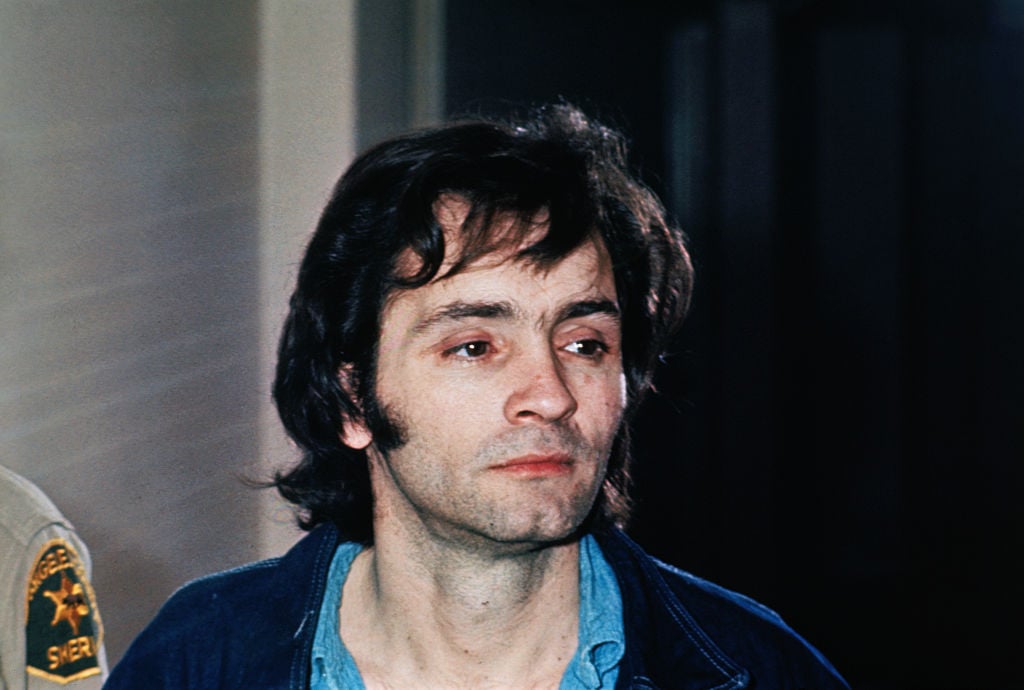
The story of Charles Manson and his cult, known as the Manson Family, is a chilling and disturbing chapter in the annals of crime.
We delve into the psychology behind Manson and the factors that led to the formation of his cult.
Understanding how such a group came into being and committed heinous crimes can shed light on the dynamics of cults and their leaders.
By unraveling the intricate web of influences that drove the Manson Family, we aim to not only understand their actions but also to prevent similar tragedies.
The charismatic leader
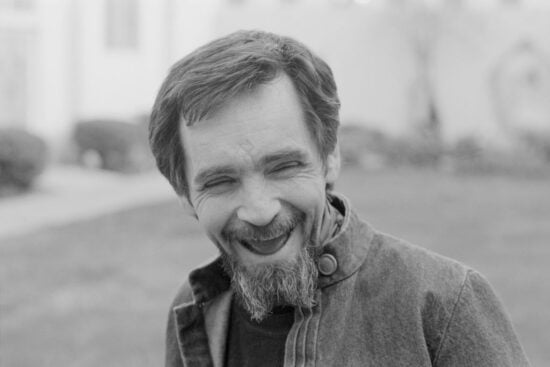
Charles Manson, a charismatic but deeply troubled individual, played a pivotal role in the formation and control of the Manson Family.
His ability to manipulate and influence vulnerable individuals was a central factor in the cult’s existence.
Manson’s charisma and charm drew people in, creating a sense of belonging and purpose.
However, beneath his charming facade lay a sinister and manipulative personality that exploited the vulnerabilities of those who sought meaning and guidance.
The vulnerable followers of the Manson Family
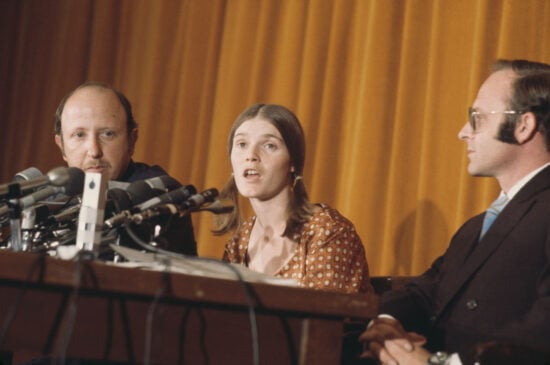
Members of the Manson Family were often young people who were searching for meaning and identity.
Many of them came from troubled backgrounds and were susceptible to Manson’s influence.
They were seeking a sense of belonging, and Charles Manson provided that sense of family and belonging, albeit in a twisted and destructive way.
Tragically, these impressionable young individualsfell victim to Manson’s malevolent charisma, leading them to commit unspeakable acts of violence.
The ideology of destruction
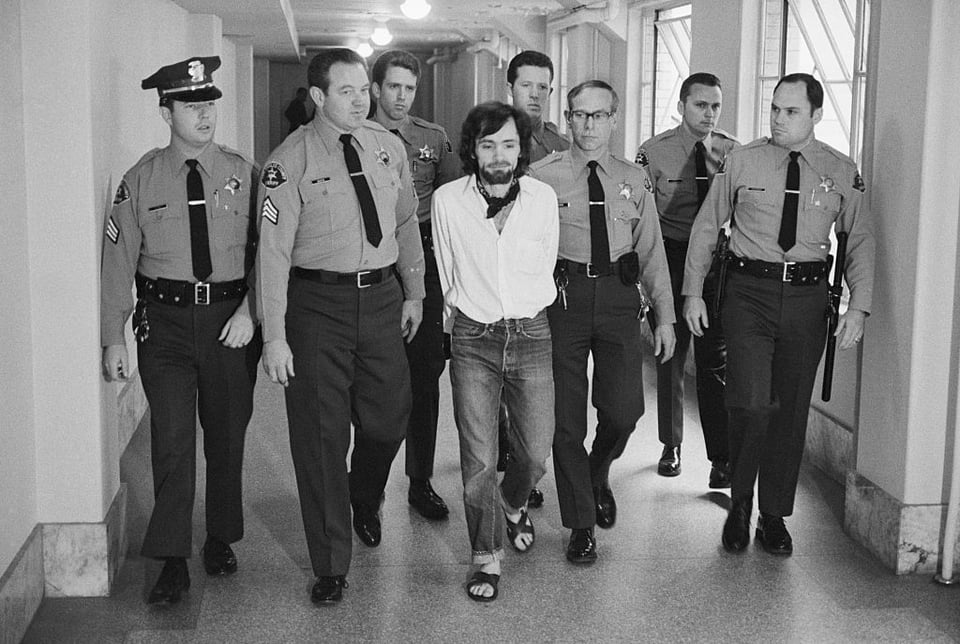
Manson’s ideology centered around apocalyptic beliefs and a desire for chaos.
He convinced his followers that a race war was imminent, which he called «Helter Skelter.»
Manson believed that by committing a series of gruesome murders, they could incite this war.
His followers, under the spell of his influence, were willing to carry out these horrific acts in the belief that they were fulfilling his vision.
The Manson Family was isolated from the outside world
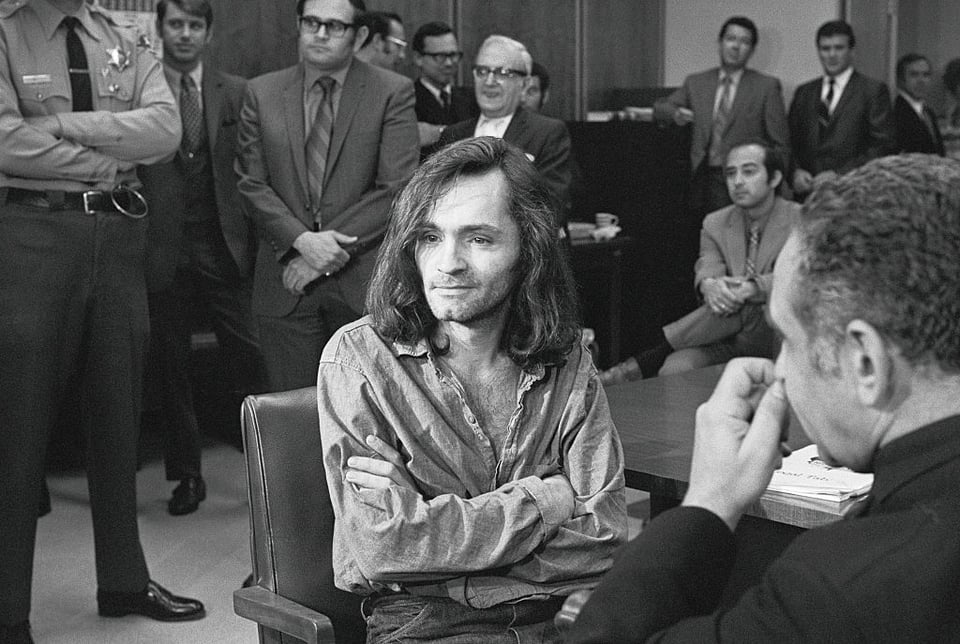
Charles Manson exercised strict control over his followers, isolating them from the outside world.
They lived on a remote ranch and were cut off from their families and friends.
This isolation further reinforced their dependence on Manson and his warped ideology.
Their separation from mainstream society made them more susceptible to his manipulation and control.
Psychological manipulation
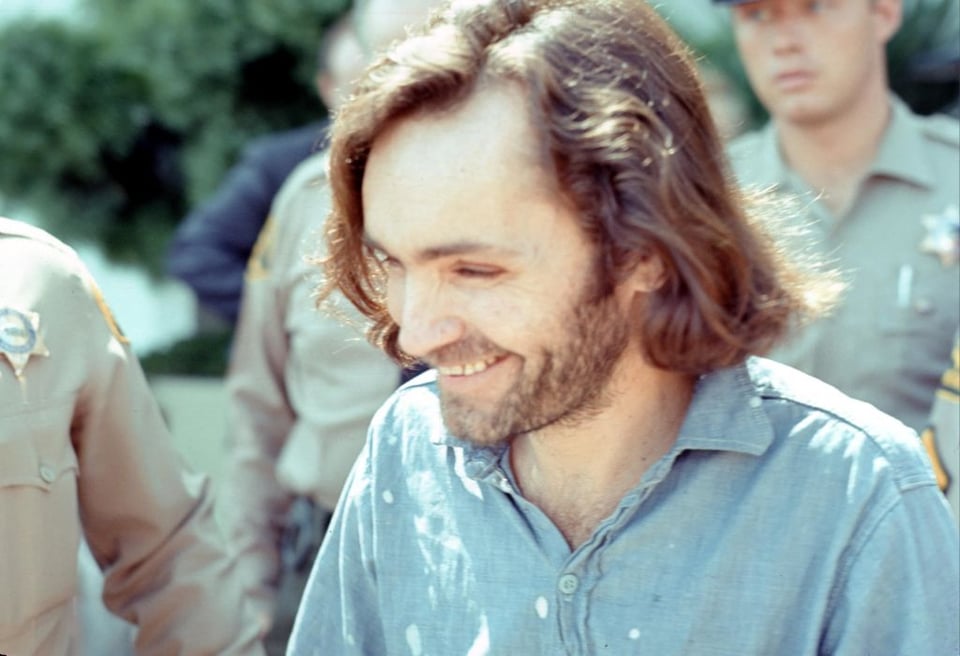
Manson used a combination of psychological tactics to maintain control over his followers.
He used fear, manipulation and mind control techniques to keep them obedient and loyal.
This manipulation left his followers in a state of psychological vulnerability, where they were conditioned to unquestioningly follow Manson’s orders.
Manson’s mastery of psychological manipulation was so profound that it shattered the self-esteem and critical thinking abilities of his followers.
The gruesome murders

The most notorious crimes committed by the Manson Family were the murders of actress Sharon Tate and several others in 1969.
These gruesome acts shocked the world and exposed the dangers of cults and the power of a charismatic leader.
Manson’s ability to command his followers to commit such heinous acts is a stark example of the destructive potential of cult psychology.
The Manson Family’s horrific crimes underscore the destructive power of cult psychology, where moral boundaries dissolve in the name of blind devotion.
Lessons learned from the Manson Family
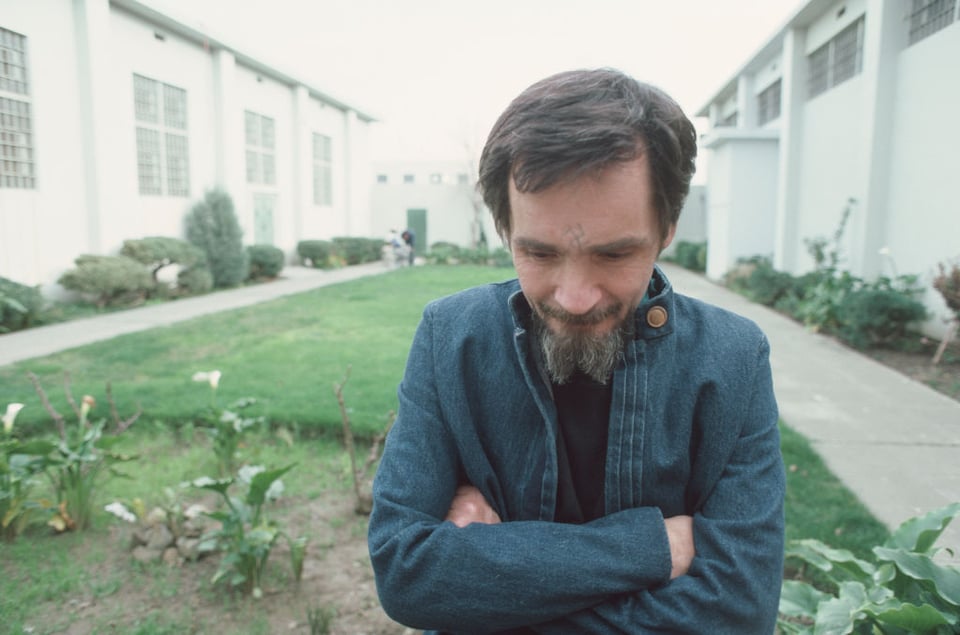
The Manson Family serves as a haunting case study in cult psychology.
It highlights the dangers of charismatic leaders who prey on vulnerable individuals, offering them a twisted sense of belonging and purpose.
Understanding the psychology behind cults can help prevent future tragedies and protect individuals from falling victim to manipulative leaders.
By learning from the horrors of the past, we can strive for a safer and more vigilant society.