Trump Attacks Female Journalists: A Record of 37 Affected Women Exposes the Pattern


Posted on 10/24/26 at 22:10
- The IWMF has recorded around 37 affected women.
- Organizations denounce misogyny against female reporters.
- Insults displace responses to policy questions.
Donald Trump is once again facing questions over his insults to female journalists, just ten days before the November 3 legislative elections.
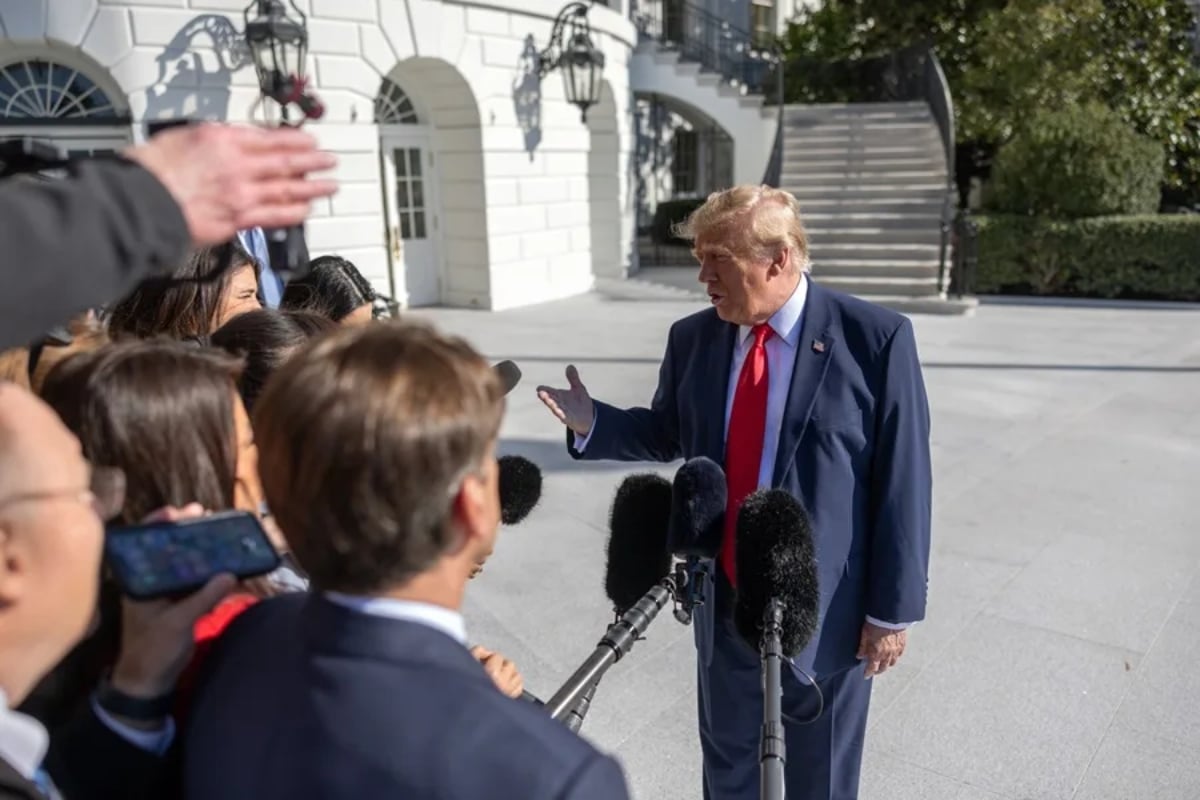
This week, reporters from NBC News, ABC News, and CNN received personal disparagements while covering the president’s activities, according to EFE.
The comments questioned their intelligence and professional capability, shifting responses to public issues towards attacks on those asking the questions.
The electoral context adds relevance to the episode: the confrontations occur when the press examines the government’s decisions and their consequences for voters.
IWMF Documents Attacks on Around 37 Female Journalists
🇺🇸 | 🔥 TRUMP ATTACKS NBC REPORTER IN FULL CONFERENCE!
While speaking about a campaign announcement featuring Amy Acton’s mother, the president lost patience with a journalist’s questions.
«SHUT UP! YOU’RE A HORRIBLE REPORTER!», @POTUS responded.
— RAV Español (@RAVEspanol) October 23, 2026
Elisa Lees Muñoz, head of the International Women’s Media Foundation (IWMF), informed EFE of records involving around 37 journalists.
Precision matters: her statement identifies affected women and does not allow us to conclude that only 37 aggressions occurred during both terms.
The representative also pointed out that 21 of the recorded attacks correspond to 2020, during the Republican’s first presidential term.
For Lees Muñoz, the disparagements are part of an intimidation mechanism aimed at reducing women’s presence in public debate.
Organizations Warn About Misogyny and Discrediting the Press
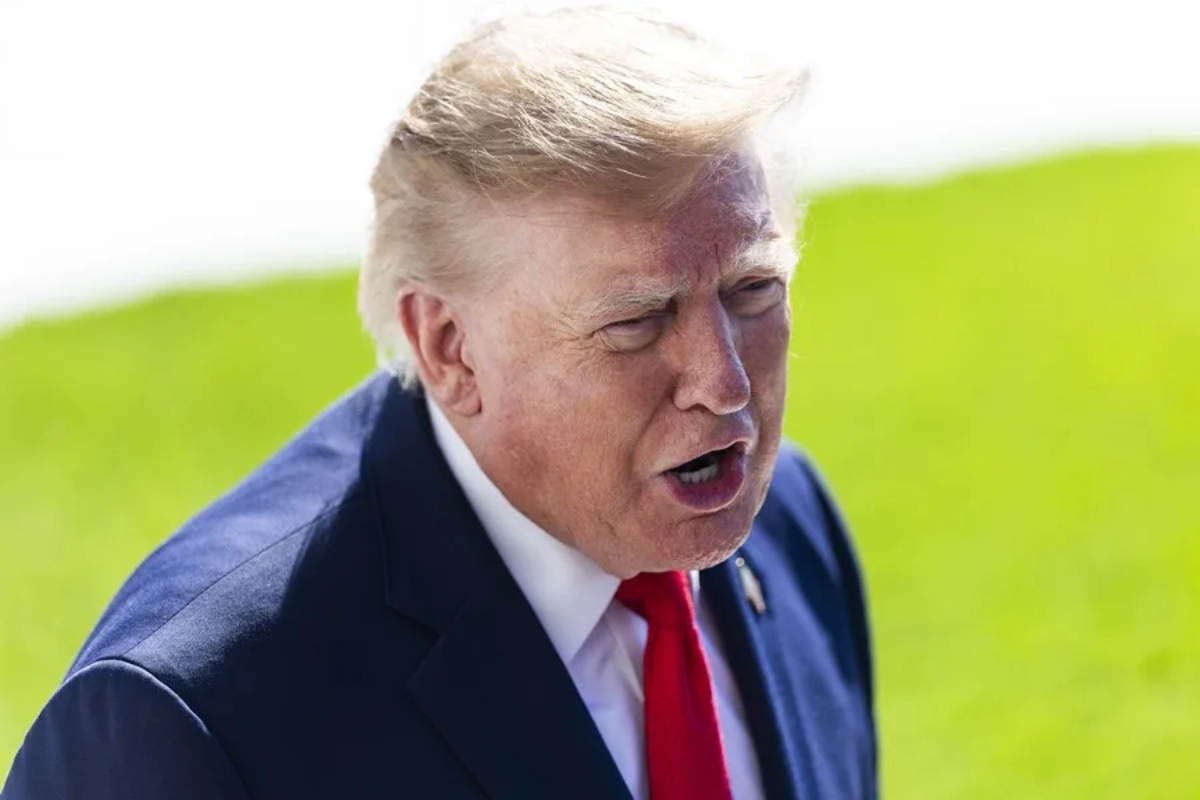
The IWMF representative maintains that attacks on female reporters have a misogynistic component and aim to erode public trust in journalism.
Although Trump also insults male journalists, Lees Muñoz asserts that women receive a greater volume of offenses and especially denigrating treatment.
Human Rights Watch published an analysis on September 23 about the president’s new attacks on female journalists and restrictions on media access.
The concern of these organizations goes beyond individual offenses: it points to the necessary conditions for asking, investigating, and overseeing power without intimidation.
The Precedent of Catherine Lucey and the Epstein Case
One of the most well-known episodes occurred in November 2025, when Trump insulted Catherine Lucey, a Bloomberg correspondent, during questions about Jeffrey Epstein.
The White House later defended the president’s words, saying they reflected his frankness and transparency, according to Reuters.
In December of that year, Reporters Without Borders denounced an intensification of presidential hostility towards female reporters, including insults about their appearance and intelligence.
These precedents allow us to situate the recent confrontations within a documented sequence, although each incident requires examining its questions, responses, and context.
Why These Attacks Matter to the Hispanic Audience
For Hispanic audiences, access to contrasted information is essential when evaluating migration, economic, and electoral policies that affect their daily lives.
When a question receives an insult, the pending issue remains the information that the official should explain to the public.
Readers can consult complete recordings, compare coverage, and distinguish between criticism of journalistic content and personal disparagement.
It is also advisable to review who documents the attacks and what each record measures: affected people, incidents, or offensive expressions are different categories.
SOURCE: EFE