New York Releases 40,000 9/11 Documents: What Authorities Knew About Toxic Air


Posted on 10/22/26 at 09:00
- New York City has released 40,000 records.
- Documents detail concerns over toxicity.
- More documents will be added to the portal.
New York City released an additional 40,000 records on October 21 related to the September 11, 2001, attacks, including information on the city's response and environmental risks. Mayor Zohran Mamdani announced the new release after years of demands from rescuers, survivors, and family members seeking to know what information authorities had.
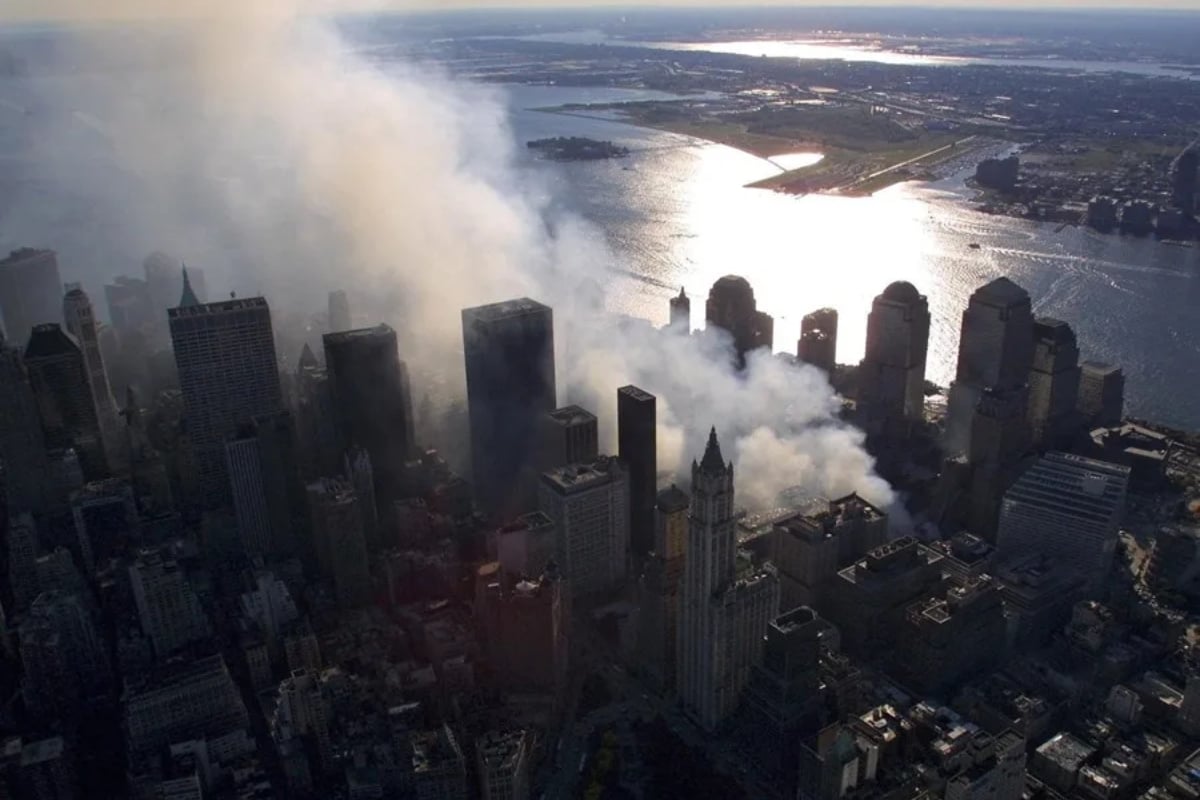
The documentation is being added to a public archive that now exceeds 200,000 pages, allowing for examination of decisions made when thousands of people were exposed to contaminated air. The central question remains 25 years later: what did officials know about the dangers and how did they communicate that information to those returning to Lower Manhattan?
Ground Zero: The Harding Memorandum and 68 Boxes
Last month, ahead of the 25th remembrance of the horrific terror attacks of September 11th, our administration launched the City’s first public portal for 9/11-related city records and released 20,000 documents related to air quality and toxins that had never previously been made public.
Today, we’re announcing the addition of 40,000 more documents to the portal. Now, more than 200,000 pages of records — once hidden — are available to every single New Yorker at https://t.co/YnJTIIYvvV.
For years, first responders, survivors, and family members sought accountability and transparency from city government. This year, we listened.
Our commitment to honoring those we lost that day — and supporting those who suffered in the years since — cannot begin or end on the anniversary. We will continue to do everything in our power to bring clarity to New Yorkers.— Mayor Zohran Kwame Mamdani (@NYCMayor) October 21, 2026
The initial release, announced in September, included approximately 170,000 pages about air quality, health concerns, and the city's actions after the World Trade Center collapse. Among the materials is the Harding Memorandum, linked to then-Deputy Mayor Robert Harding, a key piece for analyzing internal warnings about exposure and potential legal claims.
Also included are the records known as the "68 boxes," which, according to the Mayor's Office, were not located until 2025 despite previous requests for public information access. The term refers to a set of boxes, not a single "Box 68." The archive also incorporates documentation related to World Trade Center Building 7.
What 9/11 Health Watch Denounces About Toxic Risks

The disclosure stems from an agreement that resolved two lawsuits pushed by 9/11 Health Watch to obtain municipal records that had remained out of public reach for years. The organization claims that its initial review shows that officials were aware early on of the dangers of contaminants, including asbestos, in areas affected by the attacks. Its executive director, Benjamin Chevat, questioned why municipal, state, and federal authorities did not adjust their response sufficiently once they understood the scope of the risks.
YOU MAY BE INTERESTED IN: Alert in California: Two Teenagers Detained for Alleged Plan to Attack a School
According to his assessment, they should have reconsidered the return to homes, schools, and offices or improved cleaning. These conclusions belong to the organization and should be attributed as such.
How to Consult 9/11 Documents and What's Next
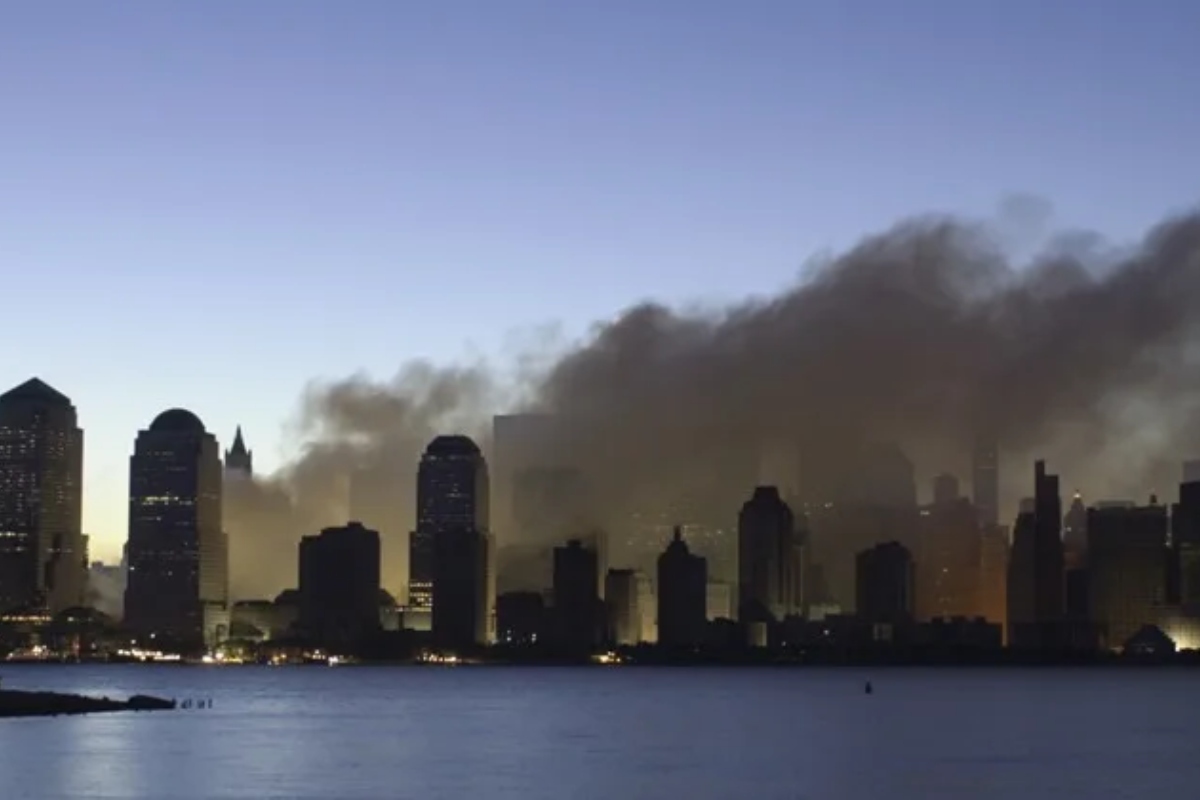
The documents can be consulted on New York City's official portal, which centralizes the releases and allows direct access to the materials disseminated by the city. The Administration announced new publications as the document review progresses. The process includes removing personally identifiable information before making the records available to the public.
The Mayor's Office also announced dedicated personnel to recover certificates for those who need to prove their presence in the exposure zone and apply for assistance through federal programs. For affected families, the release offers tools to reconstruct what happened. The pending review will be crucial to completing a story that the released records still show only partially.
SOURCE: EFE, El sol de mexico