From Heat to Freezing: Northeast and Great Lakes Prepare for Sudden Change


Posted on 10/05/26 at 07:00
- Canadian air displaces summer heat.
- Freezing temperatures threaten rural interior areas.
- Sensitive plants require nighttime protection.
A high-pressure system from Canada will bring cold air to the Northeast and Great Lakes, with a risk of freezing temperatures this week.
The drop comes after a Friday with temperatures near 86 °F in much of the Interstate 95 corridor.
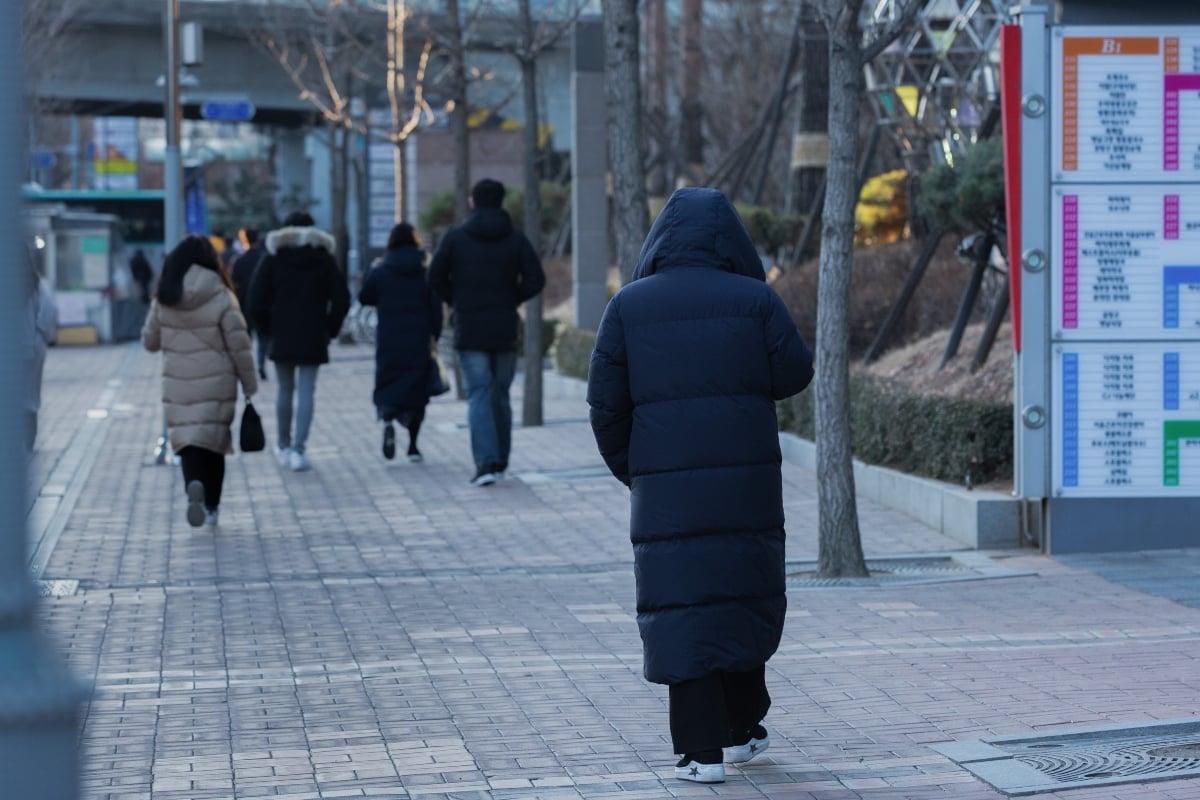
For Hispanic families, the change requires checking the forecast before heading out to work, taking children to school, or traveling.
A pleasant afternoon can hide a much colder morning: daytime temperatures are not enough to decide whether to leave sensitive plants outside.
When the First Widespread Freezes Could Arrive
❄️🥶Cool air from Canada is coming for the Great Lakes and Northeast: frost and freezing temperatures expected.
Check the details below ⬇️
https://t.co/ZXN1ypHAGF— Meteored US (@MeteoredUS) October 3, 2026
The risk will begin in typically cold areas of the Great Lakes during the early morning hours of Tuesday, October 6, according to AccuWeather.
Between Tuesday night and Wednesday morning, October 7, it will spread to the Appalachians and the interior Northeast.
Those who maintain gardens or orchards should prepare protection before nightfall and check the expected lows for their area.
The regional forecast indicates possibilities, but does not guarantee that all homes or municipalities will experience freezing temperatures during those two nights.
Areas at Higher Risk of Freezing

The northern mountains of Pennsylvania, the Adirondacks of New York, and the Green Mountains of Vermont are of greatest concern.
Rural areas, interior regions, and higher elevations would be more vulnerable; cities and lake shores could maintain higher temperatures.
Therefore, a low temperature announced for a nearby city does not necessarily represent the conditions of a property located outside the urban area.
To organize trips, outdoor work, or garden care, it is best to consult the forecast by location rather than relying on a regional reference.
How to Protect Plants, Pets, and Outdoor Activities
Delicate potted plants can be moved indoors; those that remain in the ground may need coverage during the nights of risk.
Before taking action, review the tolerance of each species: a useful measure for one plant may be insufficient for another more sensitive one.
The National Weather Service recommends knowing the temperature thresholds of plants and crops and protecting animals from cold exposure.
YOU MAY BE INTERESTED: Nearly 100 earthquakes shake Kīlauea: tourist areas closed and the next eruptive episode remains uncertain
It also advises dressing for outdoor conditions and finding a sheltered place for children while they wait for the school bus.
What to Check Before Heading Out on Cold Mornings
Make checking the weather forecast a routine and review updates before heading out, especially if your day starts early in the morning.
If your schedule allows, adjust outdoor activities to avoid the coldest hours, which usually coincide with early morning.
Workers, caregivers, and families with planned trips should prepare suitable clothing and consider how long they will be exposed to the outdoors.
Local information will be crucial: the risk can vary between nearby locations, and official warnings will allow for adjusted precautions.
SOURCE: accuweather