Republicans Bet on Jim Jordan After Defeat; Thune Holds On in Senate



Posted on 11/11/26 at 10:01
- Jordan defeats Steve Scalise.
- Thune retains Senate leadership.
- Republicans prepare for minority phase.
Republicans elected Jim Jordan as their next leader in the House of Representatives on Tuesday, November 10, a week after the electoral setback.
The Ohio congressman defeated Steve Scalise of Louisiana by 106 votes to 73 in a closed-door meeting.
Jordan, 62, and close to President Donald Trump, will lead a caucus that must adapt to working from the minority.
The decision opens a new phase for the party: regaining legislative influence while Democrats prepare to take control of the House.
Mike Johnson’s Departure Paves Way for Jordan
🗳 #Decision2026 | Republicans elect Jim Jordan as the minority leader in the House after the ‘midterms’ defeat.
https://t.co/G7VVbKMz4k
— Noticias Telemundo (@TelemundoNews) November 10, 2026
The change comes after Mike Johnson announced he would leave the Republican leadership following the midterm election defeat.
The internal election puts Jordan at the forefront of reorganizing the Republican representatives, with the next Congress as the first political test.
His appointment as party leader does not equate to an election as House speaker, a distinct position within the institution.
The new Congress will take office on January 3, 2027; then, the phase marked by the change in majorities will formally begin.
Jordan Anticipates Confrontational Opposition to Democrats
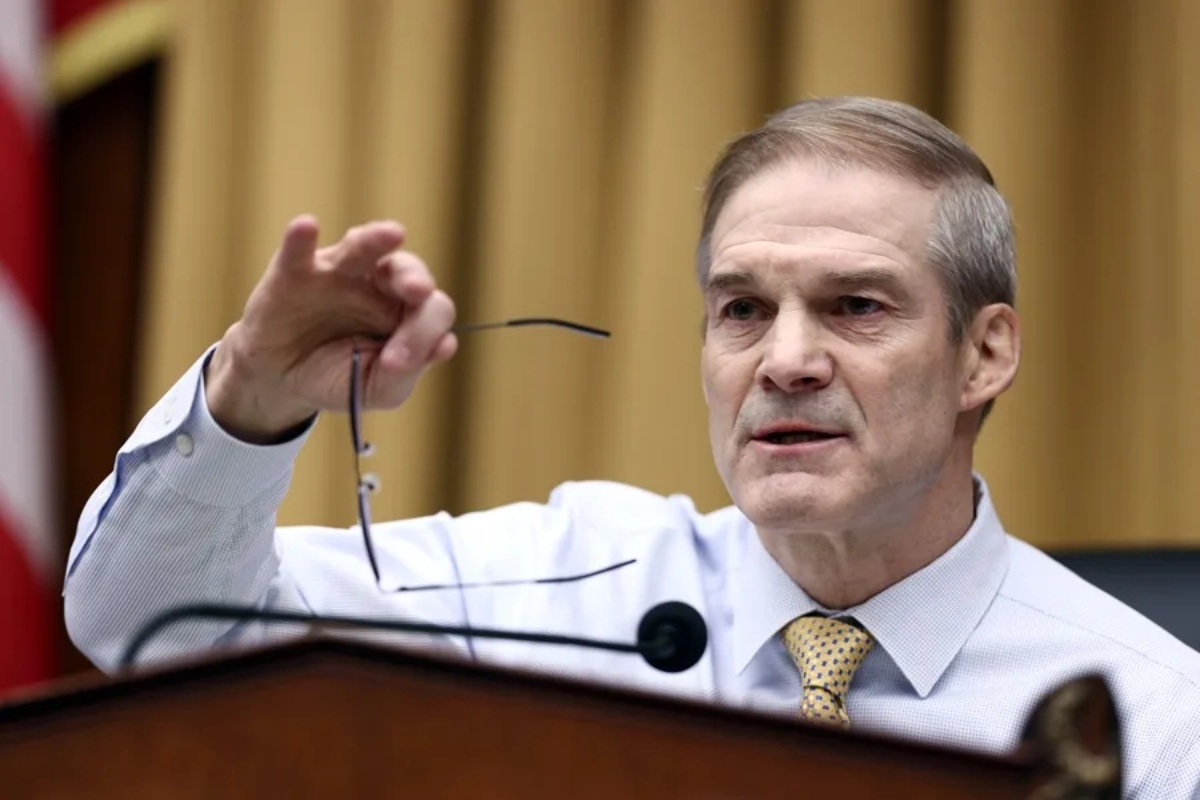
In his first statements, Jordan presented the defense of freedom from increased government intervention as the core of the Republican discourse.
The message anticipates a political confrontation with Democrats, although it does not yet constitute a detailed program of proposals for the next two years.
His closeness to Trump will be a central element of his leadership, as the president faces a Congress with greater capacity to question his agenda.
For Republicans, the challenge will be to turn the opposition discourse into a strategy that keeps the caucus cohesive after the electoral outcome.
John Thune Retains Republican Senate Leadership
In the Senate, Republicans chose to keep John Thune at the helm of their caucus, despite discontent generated by the elections.
Continuity prevailed after conservative sectors attempted to postpone the vote to discuss the causes of the defeat and the party’s direction.
YOU MAY BE INTERESTED: Trump questions early voting after Democratic Congress win
Thune acknowledged that the outcome did not meet expectations and suggested that Republicans must heed the message sent by voters.
His stay offers organizational continuity, but it does not eliminate internal differences over how to exercise opposition during the next Congress.
What Changes for the US Congress Agenda
Both decisions show different responses to the same setback: renewal of command in the House of Representatives and continuity in the Senate.
The new leaderships will have to coordinate positions in the face of Democrats and define which initiatives to support, negotiate, or attempt to block from the minority.
For the Hispanic audience, it will be relevant to follow how that strategy translates into debates on immigration, budget, and other federal priorities.
For now, the party elections reorganize Republican internal power; by themselves, they do not modify laws, benefits, or migration procedures.