Hispanic Couple Detained by ICE; She Is Deported and Her Husband Dies in Federal Custody


Posted on 01/03/26 at 20:57
- Hispanic couple detained by ICE
- He dies while in custody
- She is deported without a goodbye
A traffic stop in southern Florida ended in tragedy for a Guatemalan couple who had lived in the United States for nearly two decades.
Both were detained by immigration agents and separated without explanation, setting off a process that culminated in her deportation and his death while in federal custody.
The story, reconstructed from the testimony of Lucía Pedro Juan, reveals weeks of uncertainty, lack of communication, and the rapid deterioration of the health of her husband, Francisco Gaspar Cristóbal Andrés.
Lucía says she never had contact with her husband again after the arrest, despite repeated attempts to see him inside ICE facilities.
ICE Detention and Separation Causes Death in Florida
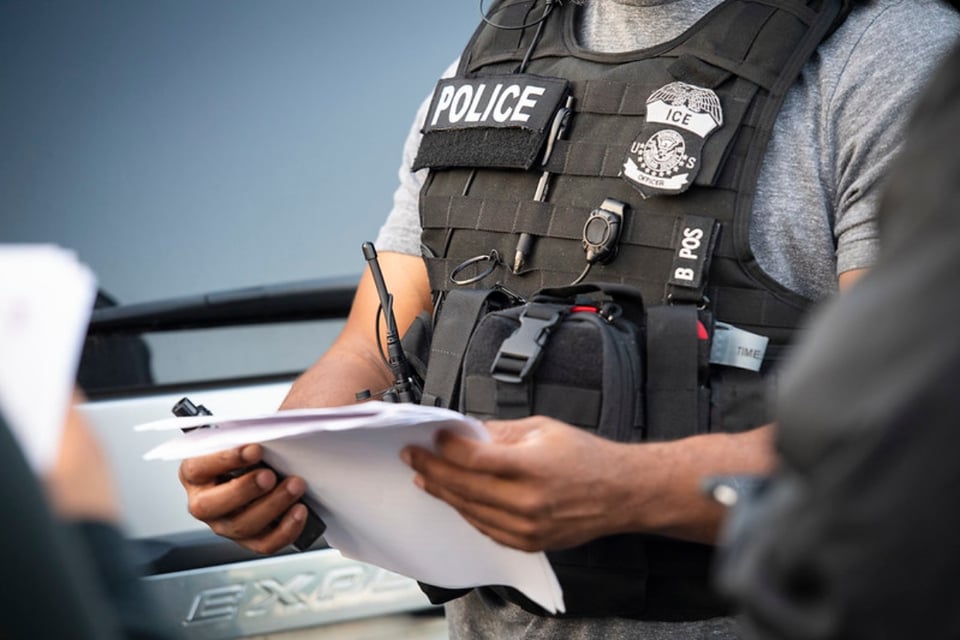 Lucía recounted that they were arrested in September during a traffic stop while living in Homestead, Florida, with their five children and their family plant business.
Both were transferred to ICE facilities and separated from the very first day, without any opportunity to communicate with each other before being sent to Texas.
You may also like: Tamale Vendor Detained by ICE in California
During an immigration interview, Lucía tried to approach her husband even as agents ordered her to stay away.
“I never saw him or heard from him again,” she told El Paso Times, recalling the last time she was near him before each was sent to different areas within the same complex at Fort Bliss.
Forced Deportation and Critical Health Condition
Lucía was deported on November 28 to Guatemala, a decision she said she accepted out of fear of becoming ill under detention conditions.
She stated that she had already been informed that her husband’s condition was serious, yet she was not allowed to visit him before her removal from the United States.
Francisco had been transferred to a hospital on November 16 after showing progressive health deterioration while detained at a facility known as Camp East Montana.
He died on December 3 at a hospital in El Paso. ICE reported the cause of death as liver and kidney failure.
‘Lucía Pedro Juan knew that she and her husband would not be returning to their southern Florida home.
Her husband, Francisco Gaspar Cristóbal Andrés, stood across the room in an Immigration and Customs Enforcement field office. ICE agents separated them as they took their… pic.twitter.com/KVntfzxNxC
— ResistMap (@resistmap) December 30, 2025
Official Version and Questions Raised
In a statement cited by local media, Immigration and Customs Enforcement said the detainee received “continuous medical care” from the time he entered the facility.
An autopsy by El Paso County determined that complications stemmed from alcoholic liver cirrhosis and classified the death as due to natural causes.
The Department of Homeland Security rejected allegations of inhumane conditions at Camp East Montana and defended the care provided to detainees.
However, civil rights organizations and several lawmakers have called for independent investigations, citing concerns about treatment standards and protocols at the Texas facility.
A Divided Family and an Uncertain Repatriation Process
The couple had migrated separately to the United States more than 18 years ago, where they built a community life and a business that supported their children.
After Lucía’s deportation, the family was left divided between two countries and plunged into unexpected mourning. From Guatemala, she received news of her husband’s death days after arriving and now faces the challenge of repatriating his body.
Guatemala’s Ministry of Foreign Affairs said it was notified by ICE of the death and requested an investigation, while also guiding the family through the process to return the body.
The family, however, faces financial limitations that could delay the transfer and burial in their home community, according to La Opinión—as the case continues to fuel debate over the ICE detention death and its impact on immigrant families.