Hormones and breast cancer: What women need to know


Posted on10/04/23 at 09:51
- What women need to know about breast cancer risks.
- What role do hormones play?
- Understanding this deadly disease.
Breast cancer is a topic that understandably raises concerns, particularly among women who are the most susceptible. Although many factors contribute to breast cancer, hormones are a significant piece of the puzzle.
By understanding this link, you’ll be better equipped to make informed healthcare decisions.
But before you continue reading, we invite you to listen to Sargento El Podcast BY CLICKING HERE.
Carlos Cornejo finally has a podcast with the leader in Hispanic media, on MundoNow’s Óyenos Audio.
The questions you have always had about what to do in the event of a police stop or what your rights are, will be answered in Sargento El Podcast.
TO LISTEN TO SARGENTO EL PODCAST CLICK ON THE IMAGE

This podcast is now available on all platforms — such as Apple Podcast and Spotify — where you can listen to it for free.
Cornejo has become one of the most beloved Hispanic police officers in the Hispanic community and his 2.9 million followers on Facebook prove it.
Not only will police issues be discussed, but Cornejo will address the main problems facing the Hispanic community in the United States.
Every Monday a new podcast from ‘Sargento’ Cornejo will be available, right now there are three episodes available to listen to now.
What are hormones?

Serving as the body’s chemical messengers, hormones orchestrate a wide range of bodily functions from mood regulation to controlling hunger.
Particularly for women, certain hormones like estrogen and progesterone have a notable influence on the growth of breast cells.
However, an imbalance or elevated levels of these hormones can become a trigger for the development of breast cancer cells.
This is why hormones are related to breast cancer risks.
The role of estrogen in breast cancer risks

When discussing breast cancer, estrogen is often the hormone that captures the most attention.
This crucial hormone is responsible for regulating the growth of breast cells, both normal and cancerous.
In numerous instances, breast cancer cells possess estrogen receptors, which when activated, can lead to accelerated cell growth.
This is why estrogen levels are closely monitored in breast cancer risk assessment.
Progesterone: A less talked about culprit
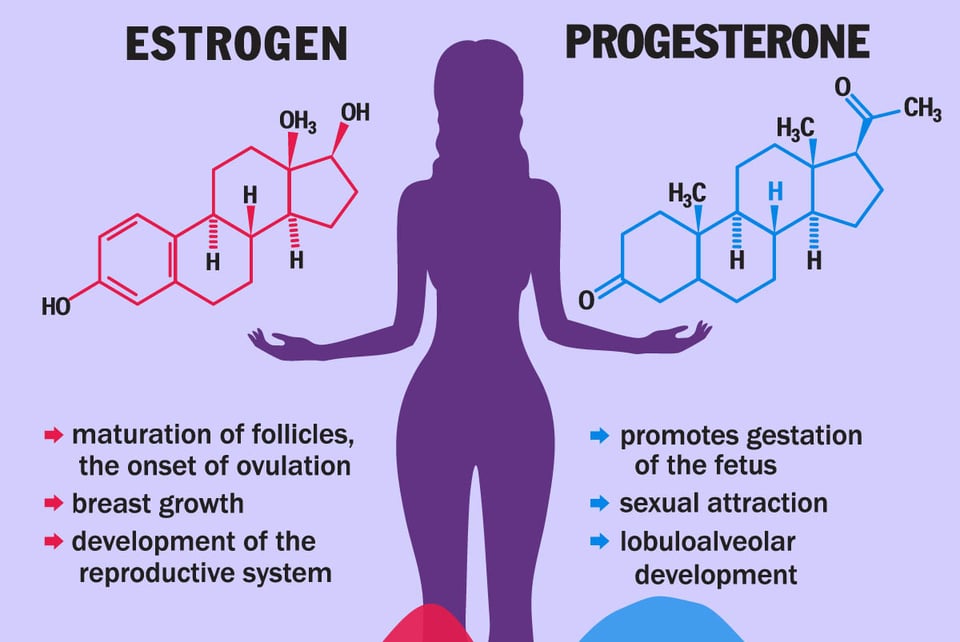
Although progesterone may not get as much airtime as estrogen, it’s a hormone that we should not overlook.
Similar to estrogen, progesterone plays a role in the growth and development of breast cells.
However, elevated levels of this hormone can sometimes encourage abnormal cell growth.
Researchers have found that some breast cancer cells have progesterone receptors, adding another layer to the cancer risk equation.
Hormone replacement therapy and its risks

To alleviate symptoms of menopause, many women consider hormone replacement therapy (HRT), often comprising a mix of estrogen and progesterone.
Although it’s effective for reducing symptoms like hot flashes, HRT is not without risks.
Numerous studies have demonstrated a correlation between HRT and an increased likelihood of developing breast cancer.
This has prompted healthcare providers to recommend alternative treatments whenever possible.
The pros and cons of birth control pills

Oral contraceptives, commonly known as birth control pills, are another source of synthetic hormones that many women use for various reasons.
Whether it’s for contraception or for regulating menstrual cycles, these pills offer numerous benefits.
Yet, it’s essential to remember that some studies suggest a slight increase in breast cancer risks among long-term users.
A discussion with your healthcare provider can help you evaluate the best course of action.
How diet, lifestyle and hormone levels affect breast cancer risks

Your everyday choices, including what you eat and how active you are, can influence your hormone levels.
Consuming a diet abundant in phytoestrogens, commonly found in soy-based foods, can mimic estrogenic activity in your body.
Furthermore, maintaining an active lifestyle can help regulate your hormones, contributing to a lower risk profile.
For personalized advice, consult healthcare professionals who can tailor recommendations to your unique needs.
Breast cancer prevention
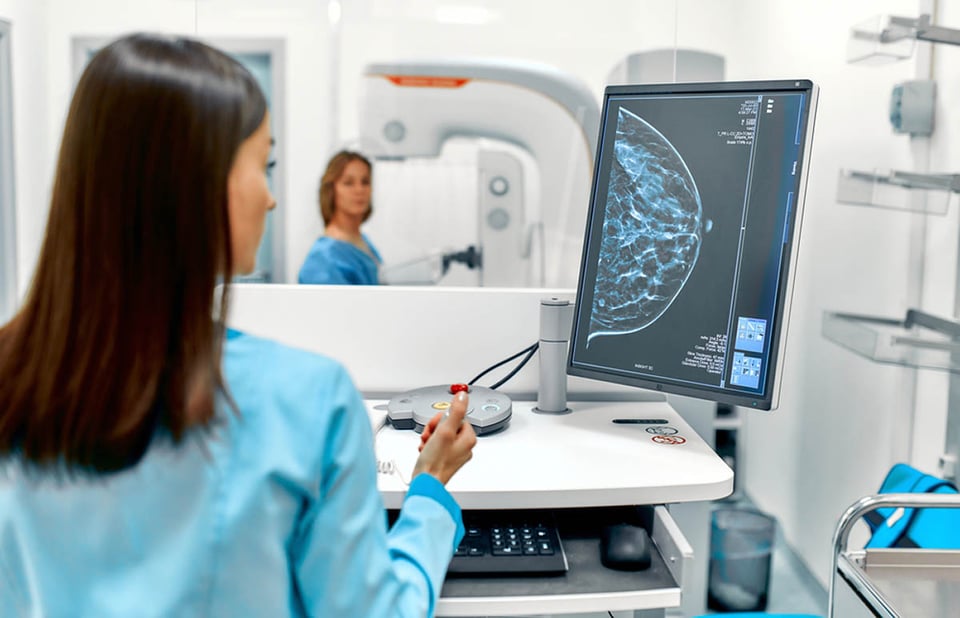
Being proactive is key when it comes to breast cancer. Regular screenings like mammograms are invaluable for early detection.
Coupled with a balanced diet and an active lifestyle, you can take concrete steps toward risk reduction.
For women at high risk, doctors may even recommend medications designed to block hormone receptors.
Always consult your healthcare provider for tailored preventive strategies.
Breast cancer risks

Being informed about the role that hormones play in breast cancer can arm you with the tools you need to make smart healthcare decisions.
Various factors like hormone replacement therapy, birth control pills and lifestyle choices can all contribute to your risk level.
Knowledge is empowering; use it to take proactive steps in your healthcare journey.
Consult with medical professionals for advice that is specific to your individual needs and take charge of your health today.