What Antibiotics Can Do to Your Gut — and How to Help It Recover


Posted on 06/09/26 at 23:18
- Antibiotics Disrupt the Gut
- Recovery Can Take Time
- Probiotics and Fiber Help
Antibiotics are one of the most important tools in modern medicine.
Thanks to them, millions of people have overcome bacterial infections that decades ago could have been serious or even deadly.
However, these medications have a little-known side effect: they can also disrupt the balance of microorganisms that live in the gut.
Although they are essential when prescribed by a doctor, specialists warn that their use can cause changes in the gut microbiota, a community of bacteria involved in digestion, the immune system, and other key health functions.
The Guide to Caring for Your Gut After Antibiotics
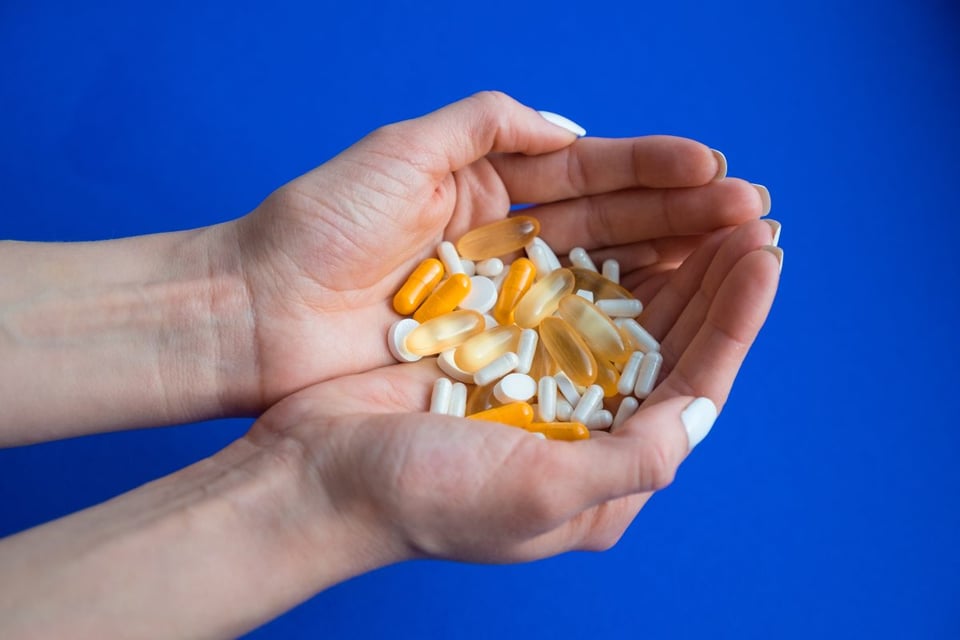
Antibiotics Do Not Only Eliminate Harmful Bacteria
When a person takes antibiotics, the goal is to fight the bacteria responsible for an infection.
The problem is that these medications do not distinguish between good and bad microorganisms.
As a result, they can also affect beneficial bacteria that help maintain intestinal balance.
Among the most common effects are:
- Abdominal bloating.
- Gas.
- Digestive discomfort.
- Diarrhea.
- Changes in bowel movements.
According to gastroenterology specialists, this disruption can make many people feel uncomfortable even after finishing treatment.
Recovery Is Not Always Immediate
Many people assume the gut returns to normal as soon as antibiotics are finished.
However, scientific evidence suggests that the process can be slower.
Some studies have found that the diversity of gut bacteria may remain altered for weeks or even months after treatment ends.
Recovery time depends on several factors:
- Type of antibiotic used.
- Length of treatment.
- The person’s overall health.
- Daily diet.
- How often antibiotics are used.
While some people feel better within a few weeks, others may need several months to fully restore intestinal balance.
Probiotics Can Help Your Gut
One of the best-known tips for supporting gut health after antibiotics is to add probiotics.
Probiotics are beneficial microorganisms that help repopulate the gut and can be found both in supplements and in some fermented foods.
Among the most popular options are:
- Yogurt.
- Kefir.
- Sauerkraut.
- Kimchi.
- Kombucha.
However, experts note that not all probiotics work the same way, so it is always advisable to consult a healthcare professional before starting any supplement.
Fiber Also Plays an Important Role
It is not all about probiotics.
Prebiotics, which are fibers that serve as food for beneficial bacteria, can also contribute to recovery.
Some foods rich in prebiotics include:
Garlic and Onion
They help feed beneficial microorganisms that live in the gut.
Bananas
They contain compounds that support the growth of certain healthy bacteria.
Asparagus
It provides fermentable fiber that may benefit the microbiota.
Whole Grains
They help maintain greater bacterial diversity.
Specialists emphasize that a fiber-rich diet can support faster recovery after treatment.
Some Foods Could Make the Process Harder
While the gut is trying to regain its balance, certain products can work against it.
Among the main suspects are:
- Ultra-processed foods.
- Sodas and sugary drinks.
- Candy and desserts high in sugar.
- Alcohol.
- Fried and very fatty foods.
These products can encourage the growth of less beneficial microorganisms and make microbiota recovery more difficult.
Do Not Forget the Key Point of Hydration
Something as simple as drinking enough water can make an important difference.
Proper hydration helps the digestive system function correctly and is especially important when antibiotics cause diarrhea or gastrointestinal discomfort.
Staying hydrated also supports the body’s natural recovery process.
Some Symptoms Require Medical Attention
Most discomfort related to antibiotics is mild and disappears over time. However, some symptoms require medical attention.
Seek professional help if you experience:
- Fever.
- Severe abdominal pain.
- Dehydration.
- Severe diarrhea.
- Symptoms that worsen instead of improving.
In some cases, an infection caused by resistant bacteria such as Clostridioides difficile can appear, a condition that requires specific treatment.
What You Should Remember About Antibiotics

Antibiotics remain essential for treating bacterial infections and saving lives.
However, they can also alter the intestinal ecosystem for weeks or months.
The good news is that simple habits such as eating fiber-rich foods, adding fermented products, staying hydrated, and following medical instructions can help the gut regain its balance more efficiently.
Caring for the microbiota after antibiotics may not only improve digestion, but also contribute to long-term overall well-being.
You may be interested in: FDA Warns About Baby Wipes Recalled Over Infection Risk
Warning: The information presented in this article is for educational and informational purposes only. It does not replace diagnosis, treatment, or advice from a physician or other healthcare professional.
Notice: Some links or products mentioned in this content may generate a commission for our site if you make a purchase through them, at no additional cost to you.
Have you noticed changes in your digestion after taking antibiotics?
SOURCE: United Digestive (Greater Orlando Gastroenterology) / Gut Microbiota for Health / UHealth University of Miami Health System