The Dangers of Mold: What Really Happens When You Live in a Humid Place!


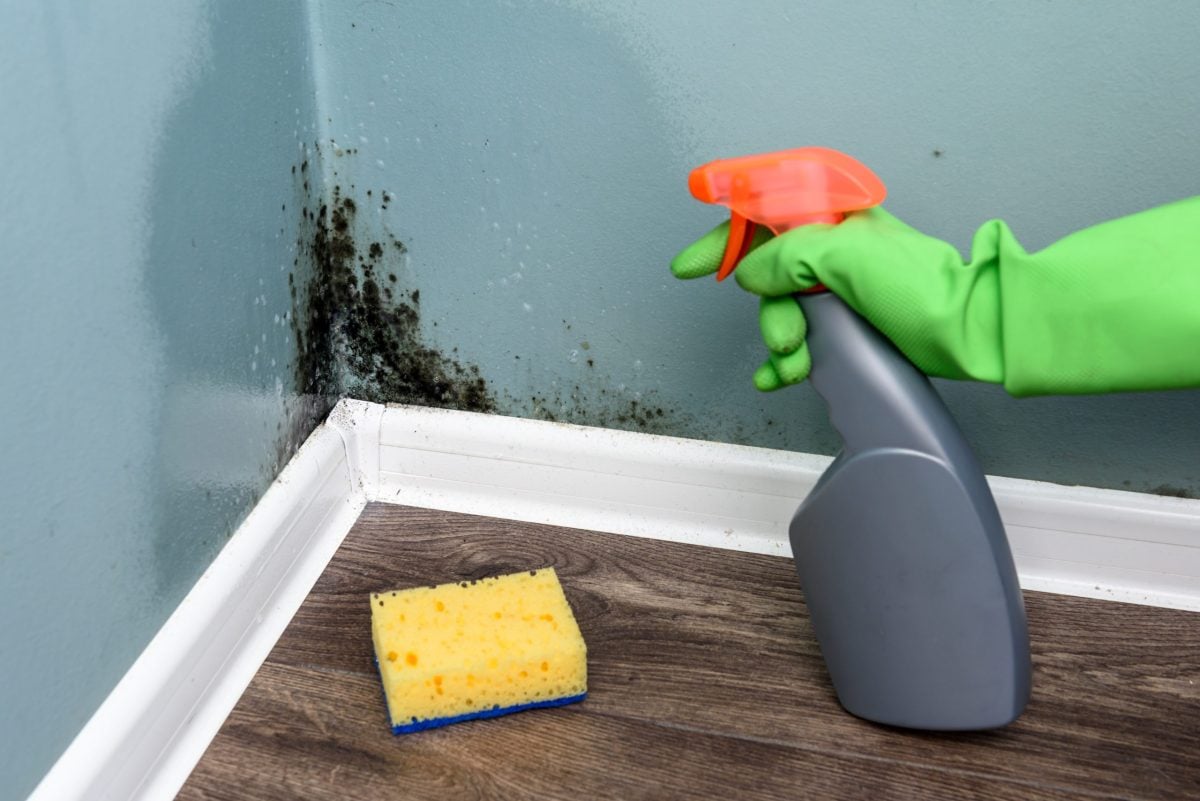
Posted on 08/14/26 at 17:21
- Mold: Real Risks
- Common Symptoms of Exposure
- How to Eliminate it Correctly
Living or working in humid spaces may seem like a minor nuisance, but the presence of mold can become a real health risk.
Although it’s not always visible to the naked eye, its effects can be felt within hours or after prolonged exposure.
This guide, based on information translated from Yahoo News, explains what dangers exist, how it’s diagnosed, and what to do if you suspect you’ve been exposed.
How Mold Affects Your Life
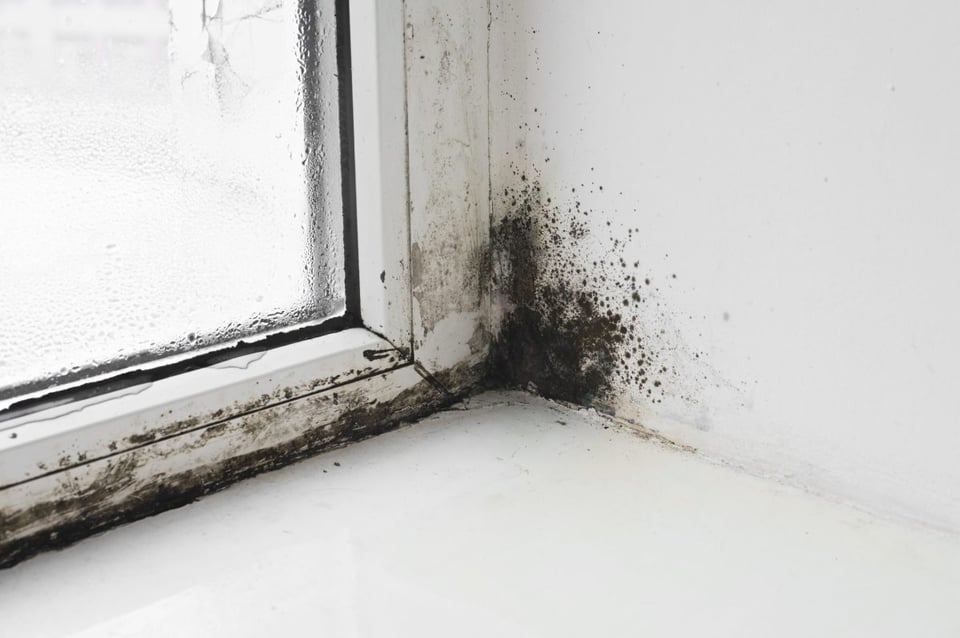
What is Mold and Why Can it be Toxic?
Mold is present in the environment, but only some species affect the human body.
What causes problems is not the mold itself, but the mycotoxins generated by certain types.
Key Points:
- Mycotoxins can affect the respiratory, immune, and neurological systems.
- Black mold (Stachybotrys chartarum) is one of the most associated with very humid environments.
- Other types, such as Penicillium and Chaetomium, can also cause reactions.
Allergic individuals can react even to mold without mycotoxins.
What Can an Urgent Care Center Do If You’ve Been Exposed to Mold?
Many people go to urgent care when they suspect exposure, but their ability to diagnose is limited.
What they can do:
- Check for respiratory or skin irritations.
- Ask about humid environments at home or work.
- Conduct allergy tests or chest X-rays.
What they cannot do:
- They do not have tests to confirm mold or mycotoxin exposure.
- They do not perform mycotoxin panels in urine.
How to Really Detect Mold
A complete diagnosis requires a combination of environmental and medical tests.
Environmental tests:
- Air samples.
- qPCR analysis of dust performed by specialists.
- Medical tests:
- Mycotoxin panels in urine.
- Inflammatory markers such as C-reactive, TGF-beta1, or C4a.
- Limitations and when to seek another specialist
Today, there is no FDA-approved test to confirm mold toxicity.
What Urgent Care Does in These Cases
- Rules out other illnesses.
- Refers to specialists when symptoms persist.
- Who they may refer you to:
- Allergists
- Pulmonologists
- Environmental health specialists
In all cases, eliminating mold from the environment is essential for complete improvement.
Symptoms of Mold Toxicity
Symptoms vary from person to person, but many are related to the respiratory or immune system.
Ten common signs:
- Persistent cough
- Difficulty breathing
- Nasal congestion
- Eye irritation
- Headaches
- Extreme fatigue
- Rashes or skin irritations
- Intensified allergies
- Muscle pains
- Concentration problems or brain fog
How to Prevent and Eliminate Mold at Home
Prevention starts with controlling humidity.
Essential recommendations:
- Keep humidity between 30% and 50%.
- Use an affordable meter to monitor levels.
- Properly vent dryers, stoves, and bathrooms.
- Clean visible mold with water and soap, household products, or a chlorine solution.
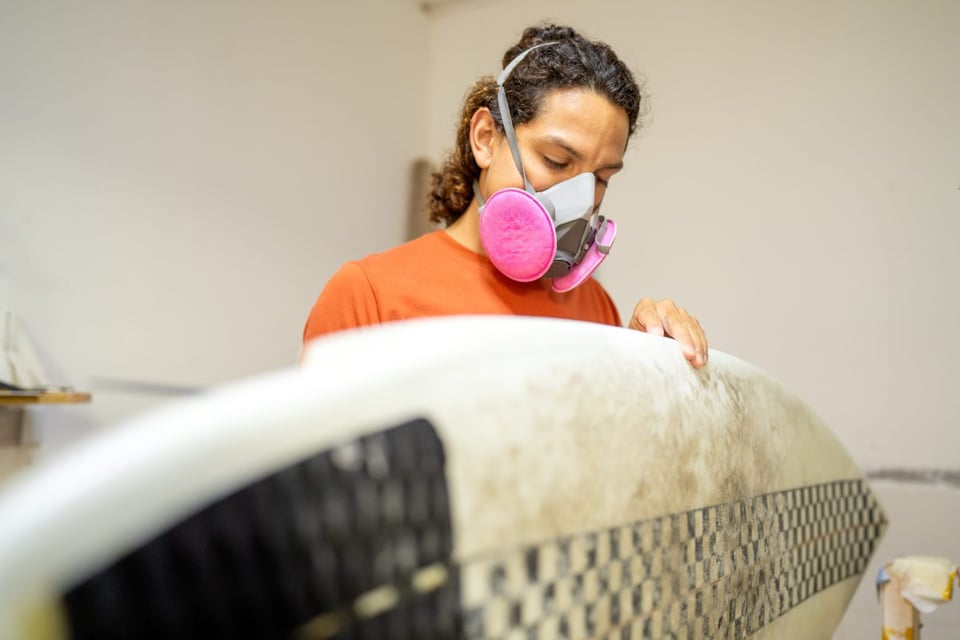
- Always wear long gloves, goggles, and an N95 mask.
- Never mix chlorine with ammonia or other products.
- If it smells like mold but you can’t see it, it might be hidden behind walls, ceilings, or carpets.
When it’s very widespread or not visible, it’s best to call a professional.
How to Know if You’ve Been Exposed
Observation is key.
Tips:
- Monitor your symptoms and compare them between environments.
- Evaluate if they worsen in humid places.
- There are home kits available for under $35 to evaluate the environment.
- Online panels can detect mycotoxins, but they don’t guarantee that eliminating mold will resolve all symptoms.
You can try: Mold Test Kit for Home

How to Detox Your Body from Mold
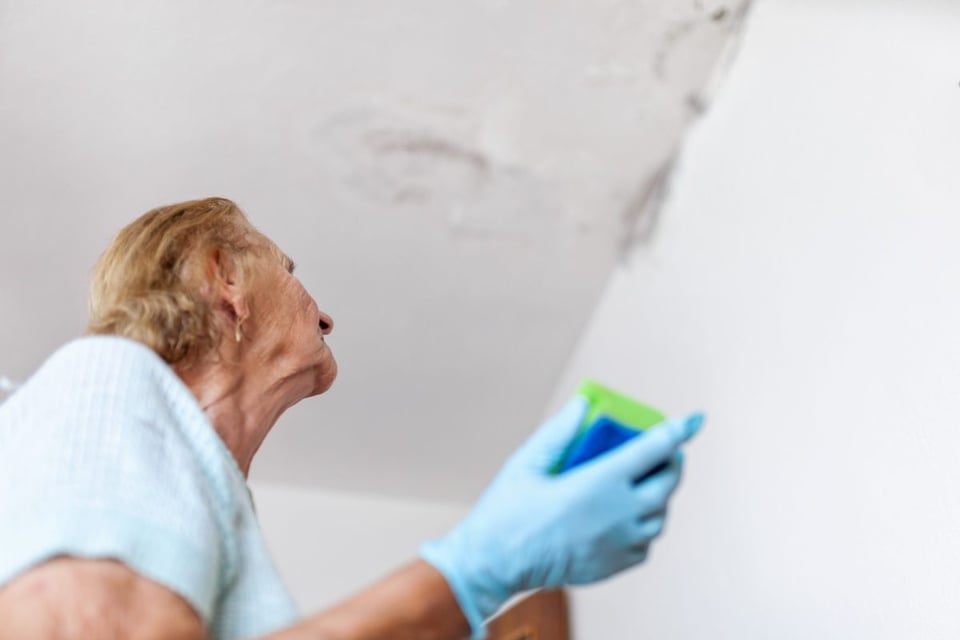
The first step is to eliminate the mold from where you live or work.
After removing it:
- Some people improve almost immediately.
- In severe cases, pulmonary therapy or breathing exercises may be recommended.
- Supplements like activated charcoal, bentonite clay, or milk thistle are used as support, although with limited evidence.
Mold exposure can cause annoying and even severe symptoms, especially in people with allergies or compromised immune systems.
Although urgent care can help with the first steps, a complete solution requires a deeper medical evaluation and the elimination of mold from the environment.
Keeping spaces dry and ventilated is the best defense.
You may also be interested in: Apple Cider Vinegar for Weight Loss: Why Has It Become So Popular?
Important warning: This information is for educational purposes only and does not replace the evaluation or treatment of a health professional. If you suspect you’ve been exposed to mold or have persistent symptoms, seek medical attention immediately and consult environmental health specialists for a complete evaluation.
Have you ever had health problems related to mold in your home or workplace?
SOURCE: Yahoo News: Can Urgent Care Test For Mold Exposure? / Centers for Disease Control and Prevention (CDC)