Trump Bets on Allies, But Republicans May Pay the Price in the Senate


Posted on 10/11/26 at 07:23
- Texas challenges the Republican strategy.
- North Carolina demands adjustments.
- Presidential endorsements face electoral tests.
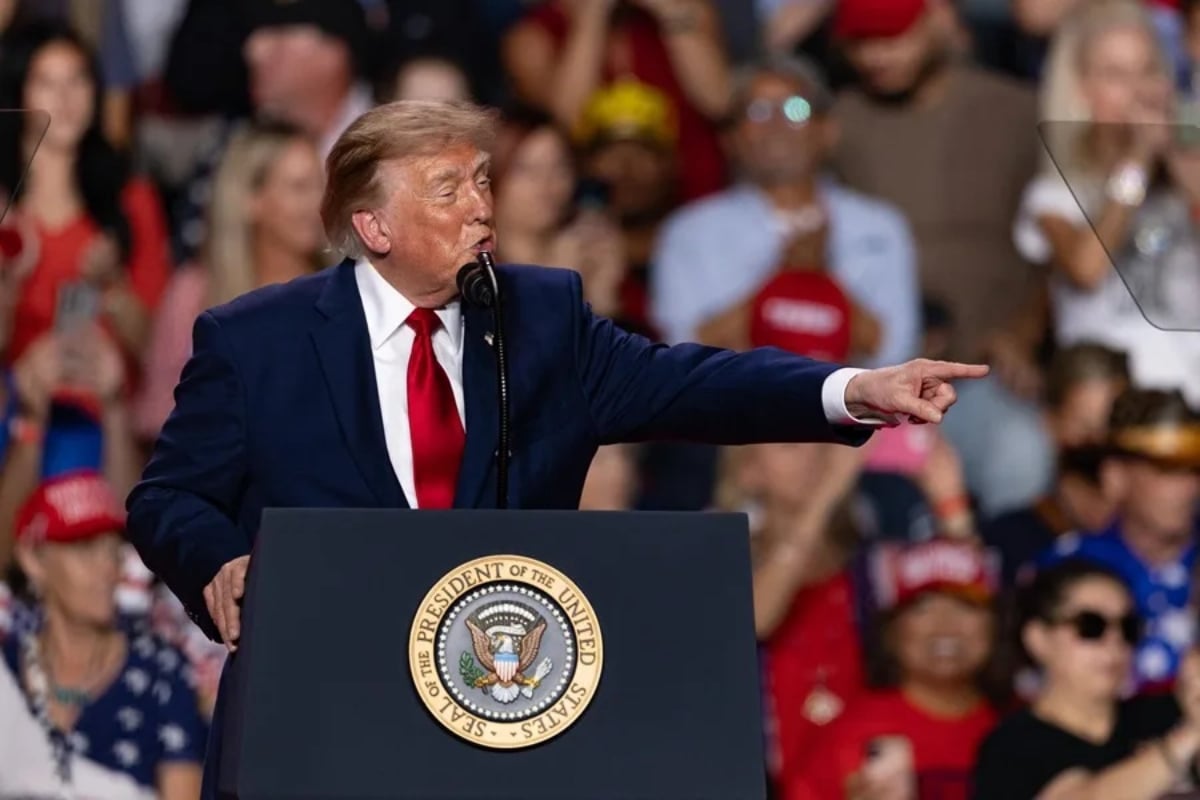
Donald Trump faces an uncertainty heading into November: whether the candidates he has backed will help preserve the Republican majority or ultimately put key seats at risk.
Texas, North Carolina, Georgia, and South Carolina exhibit distinct tensions among presidential loyalty, electoral competitiveness, and the ability to attract independent voters.
The Republican difficulties cannot be attributed solely to the president: the economy, Democratic campaigns, and the characteristics of each contest also play a role.
However, in a close election, supporting vulnerable candidates may force the party to spend more resources defending territories it had hoped to conserve.
Texas: Ken Paxton Turns a Stronghold into a Battle
The possibility that Trump will cost the GOP the Senate is coming into focus
https://t.co/In4Ug8dkyb— Surge (@Surge92FL) October 10, 2026
Ken Paxton’s candidacy against Democrat James Talarico represents one of the main defensive challenges for Republicans in these elections.
Trump backed Paxton over Senator John Cornyn and has intensified his visits to Texas to mobilize support in an unexpectedly competitive contest. reuters.com
The divisions that arose during the primaries complicate party reunification, while Talarico tries to capture voters who preferred a different Republican alternative.
The scenario poses a specific political question: how much does prioritizing affinity with Trump cost when the candidate needs to broaden their support to win?
North Carolina: Tillis’ Departure Changes the Scenario
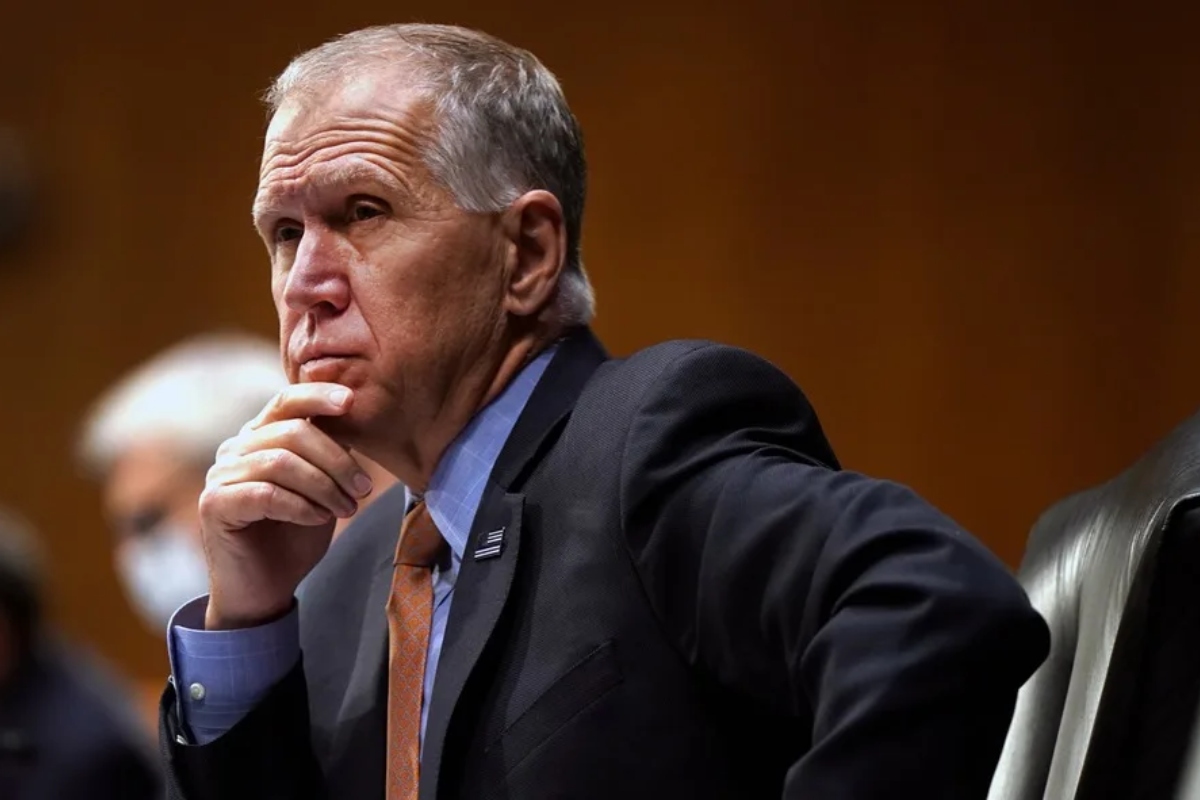
Senator Thom Tillis’ retirement left Republicans without the advantage of an incumbent and opened a competition between Michael Whatley and Roy Cooper.
Tillis has linked his decision to Trump’s attacks, although remaining in the contest would not have guaranteed a victory against the Democratic ex-governor.
Cooper maintains a lead in recent polls, and Republican groups have withdrawn advertising to direct resources towards other, more competitive races. cbsaustin.com
This redistribution reflects a strategic decision: to limit potential losses where a comeback seems difficult and concentrate money on the seats needed to maintain the majority.
Georgia and South Carolina: Two Different Problems
In Georgia, Trump chose to back Mike Collins over Derek Dooley, who was supported by Governor Brian Kemp, to face Democratic Senator Jon Ossoff.
The controversies surrounding Collins add complications, but it would be impossible to demonstrate that another candidate would have defeated Ossoff.
In South Carolina, Republican allies allocated $5 million to support Darline Graham against Annie Andrews, despite the state’s conservative record. axios.com
YOU MAY BE INTERESTED: Texas poll slows down Democratic lead and puts Republicans in a tie before early voting
The investment shows concern and the need to reinforce the campaign; by itself, it does not demonstrate that Republicans will lose that seat.
What’s at Stake for Hispanic Voters
Control of the Senate will influence the approval of laws, the confirmation of officials and judges, and the ability to oversee the government.
For Hispanic communities, those decisions have consequences in debates over immigration, health, employment, and federal budget priorities over the next few years.
The precedents of 2020 and 2022 fuel criticism of Trump’s candidate selection, but do not determine the outcome of 2026.
Polls describe preferences at a specific moment; participation, undecided voters, and the final weeks of the campaign will define who wins the seats.
SOURCE: CNN