Iván Arana Leaves Ismael Casillas Behind to Fulfill a Dream with Falcón in Tierra de Amor y Coraje


Posted on 09/27/26 at 21:09
- Falcón fulfilled a childhood dream
- Arana decided to seek out different characters
- The actor rules out participating in reality TV.
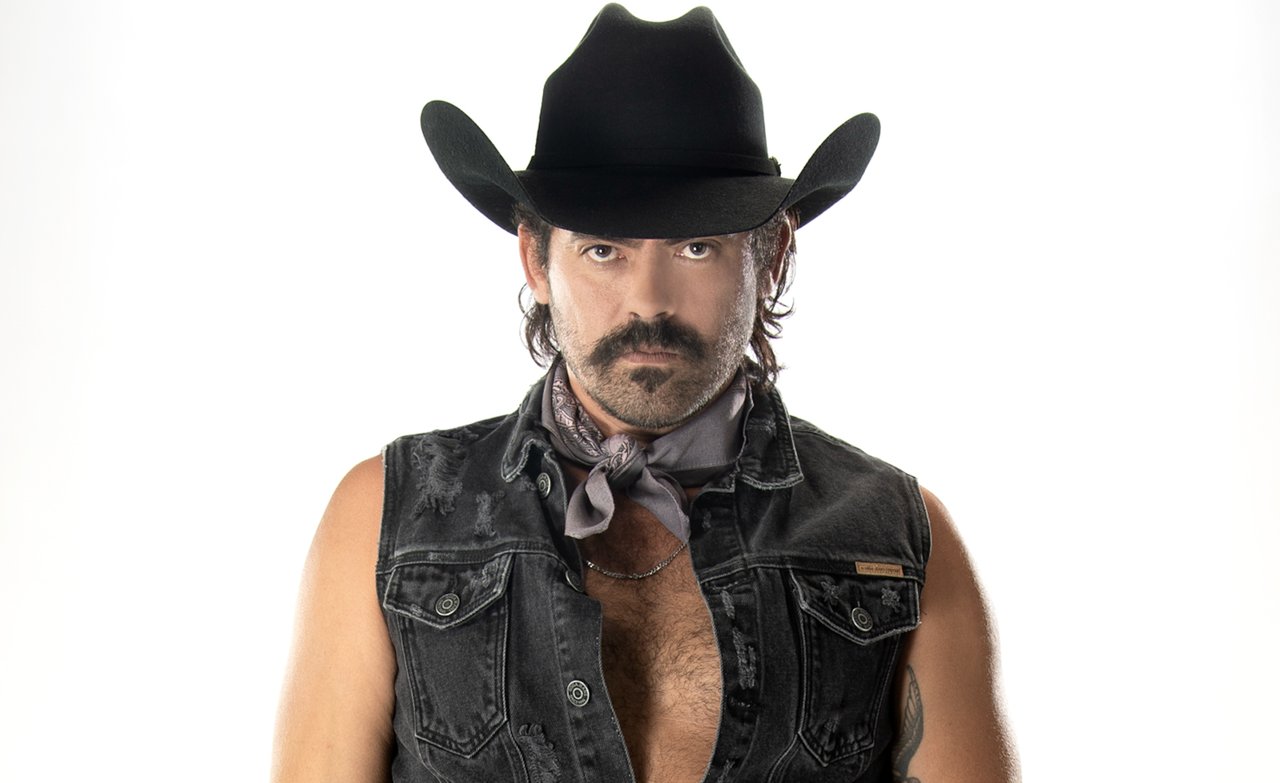
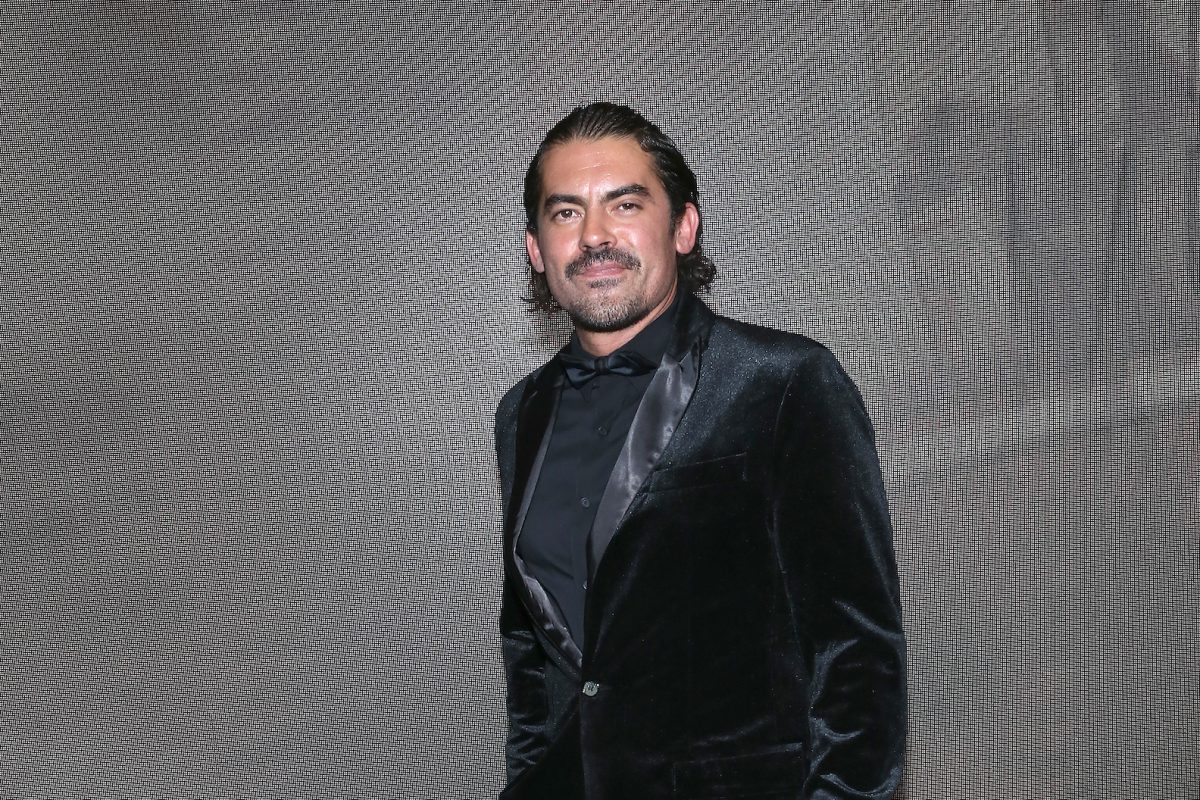
From playing Ismael Casillas in El Señor de los Cielos to immersing himself in the Arizona desert to become Falcón, Iván Arana is going through a phase of change, in which he has decided to bet on characters that can show another side of his work.
In an interview with Alonso Bañuelas, the Mexican actor acknowledges that leaving behind a production that gave him recognition implied making important decisions, but also opening up space for new challenges. «I think it’s very important as an artist, in this case as an actor, to do different things,» he assures.
Arana does not renounce his past. On the contrary, he is grateful for what he achieved with El Señor de los Cielos, but he explains that he needed to let the public discover him in another context. The arrival of Falcón, a character from Tierra de Amor y Coraje, eventually became that opportunity.
«I said, ‘Well, life is giving it to me, let’s move forward,'» he recalls about the decision. And he sums up his present with a forceful phrase: «It’s a great project and it’s a great moment in my life.»
Falcón, a villain that Iván Arana did not want to turn into a caricature
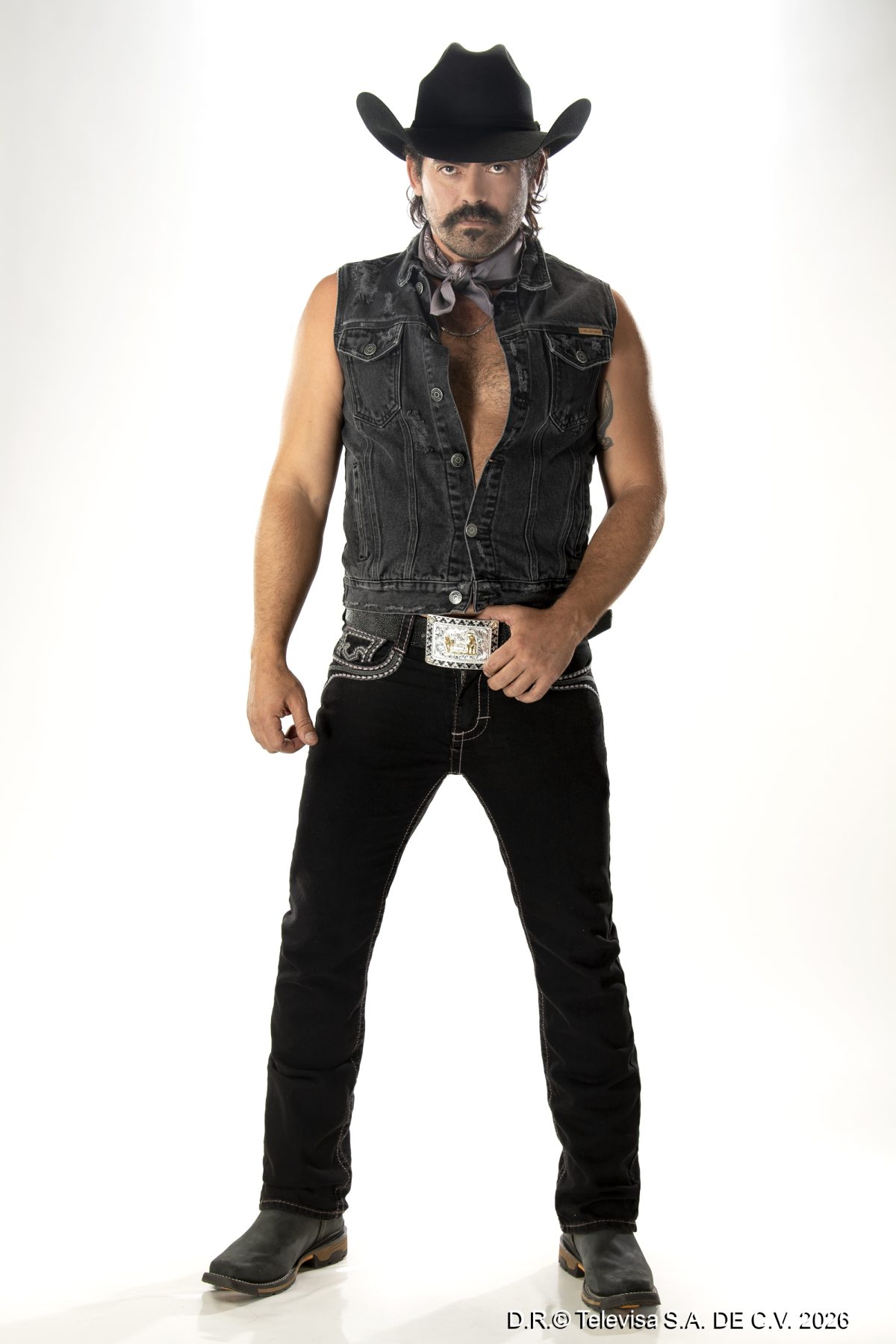
Falcón belongs to the territory that Arana knows well: that of dark characters. However, since he received the script, he found something that particularly attracted him: he was not facing the typical antagonist who is simply bad because the story demands it.
«He’s not the bad guy, or rather, he’s not the bad guy who is bad and that’s it,» he explains. To build him, he resorted to a technique he has been using for some time: exploring the character’s childhood to understand what might have led him to become that adult.
The script provided him with precisely those elements. Falcón can commit acts that provoke rejection, but Arana highlights that at the same time other dimensions appear: «He also has tenderness, he also has light, he also seeks love.»
That contradiction, he says, helps to turn him into a human being and prevents the antagonist from being reduced to a caricature. For the actor, the writing was fundamental in finding those nuances and building the character from his wounds.
The Arizona desert changed the experience
The location also ended up playing a starring role. Arana highlights the risk of taking the cast and crew to the Arizona desert, a decision that, from his perspective, added sensory elements that are difficult to reproduce in a studio.
«Being there in that environment, with those smells, with those landscapes, there’s not much to look for,» he affirms. The atmosphere, he explains, ended up nourishing not only the actors’ work but also that of the various departments involved in the production.
The experience was also directly connected to his childhood. Arana grew up visiting his grandfather’s ranch in Chapala, Jalisco, surrounded by horses and cows, while westerns were among the shows he watched with his grandfather and father.
That’s why getting back on a horse, as Falcón had, had special meaning. «I fulfilled my childhood dream,» he acknowledges. «That kid was given a gift, the power to be Falcón, to interpret him, to get on the horse.»
Before the advent of television, there were warehouses and numerous theaters.
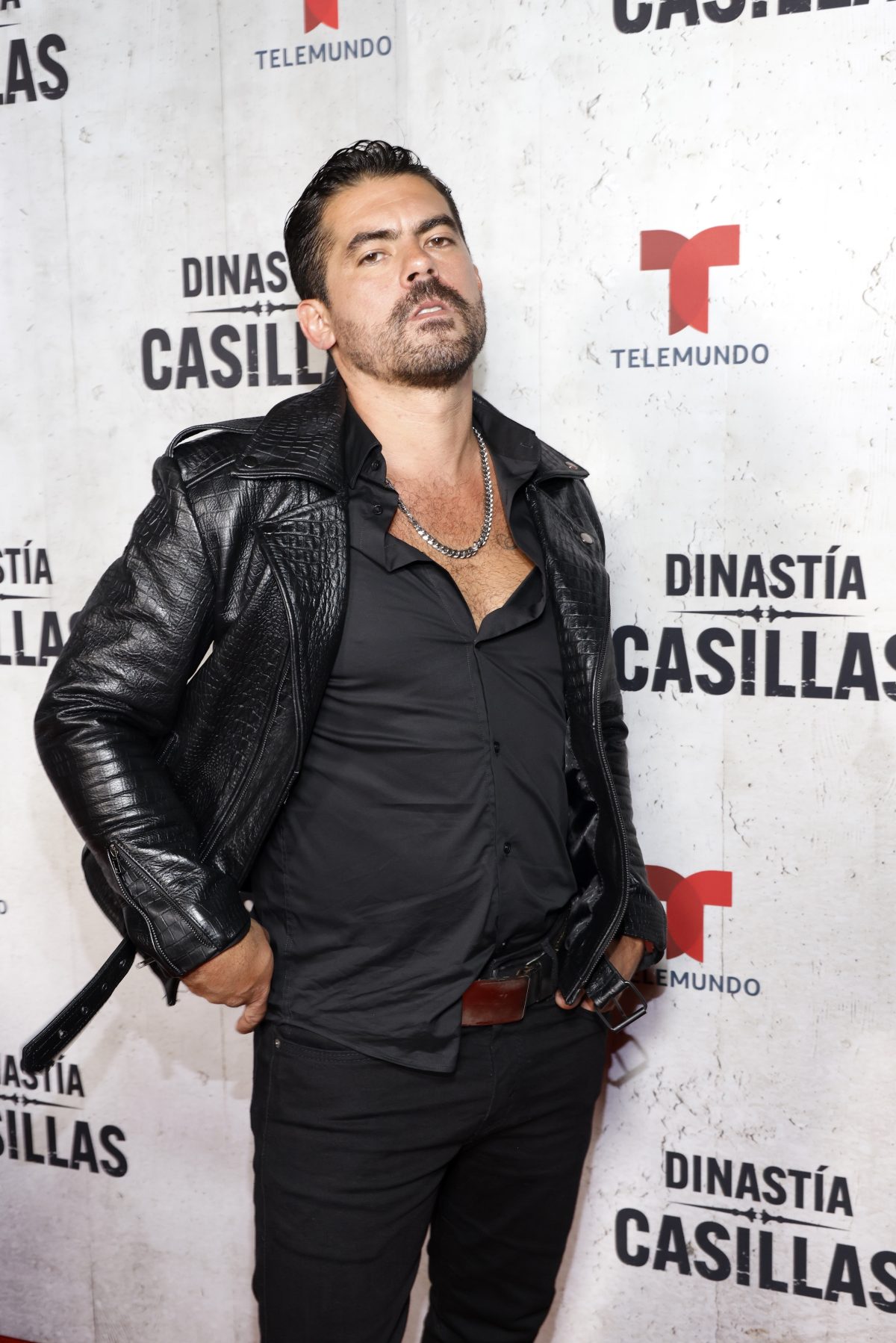
Arana’s present contrasts with his beginnings. Before the big television projects, he made a decision that would shape his trajectory: he left Guadalajara for Mexico City and began creating his own opportunities through theater.
He worked on texts by Harold Pinter and Sam Shepard, directed and staged his own projects. He didn’t wait for someone to permit him to act: he looked for a way to put his work in front of the audience.
«I started doing theater, I started directing theater,» he recalls. One of those productions in a warehouse caught the attention of producers and directors. Among them was director Humberto Hinojosa, who saw him act in a play.
So, when aspiring actors ask him how to start, his response is based on that experience: «Well, start reading, buddy. That is, enrich yourself with a character and go out there.»
Looking back at those years now has another meaning. After participating in important productions and building recognized characters, Arana returns to the starting point: «How cool that I made the decision to follow my dream.»
Darío opened the doors to melodrama
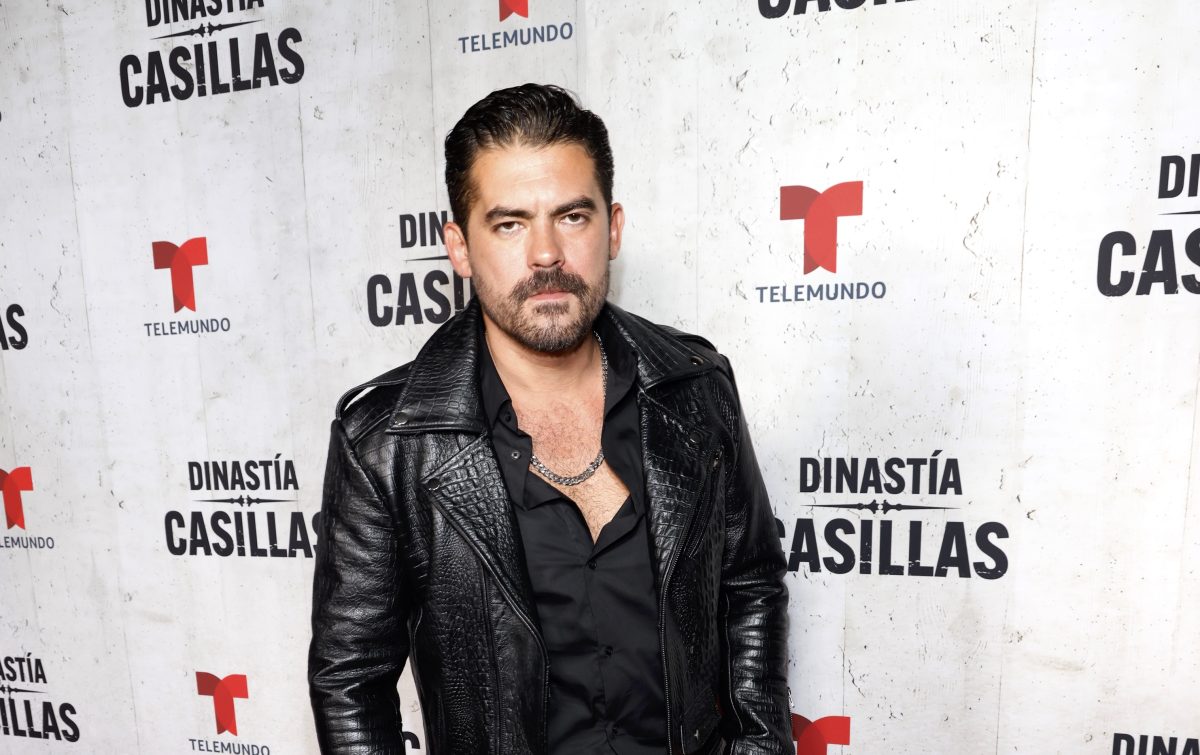
Among the characters he remembers with special affection is Darío, from Imperio de Mentiras. Arana came mainly from theater and cinema and acknowledges that, initially, melodrama caused him some fear.
The production marked Darío’s first telenovela on Televisa, allowing him to draw on his theatrical and cinematic training. Additionally, he achieved something he would later explore again: becoming an antagonist while eliciting affection from the audience.
«He was the bad guy, but people loved him,» he recalls. For Arana, that «very strange combination» eventually opened doors and expanded his relationship with television.
The character that led him to a severe depression
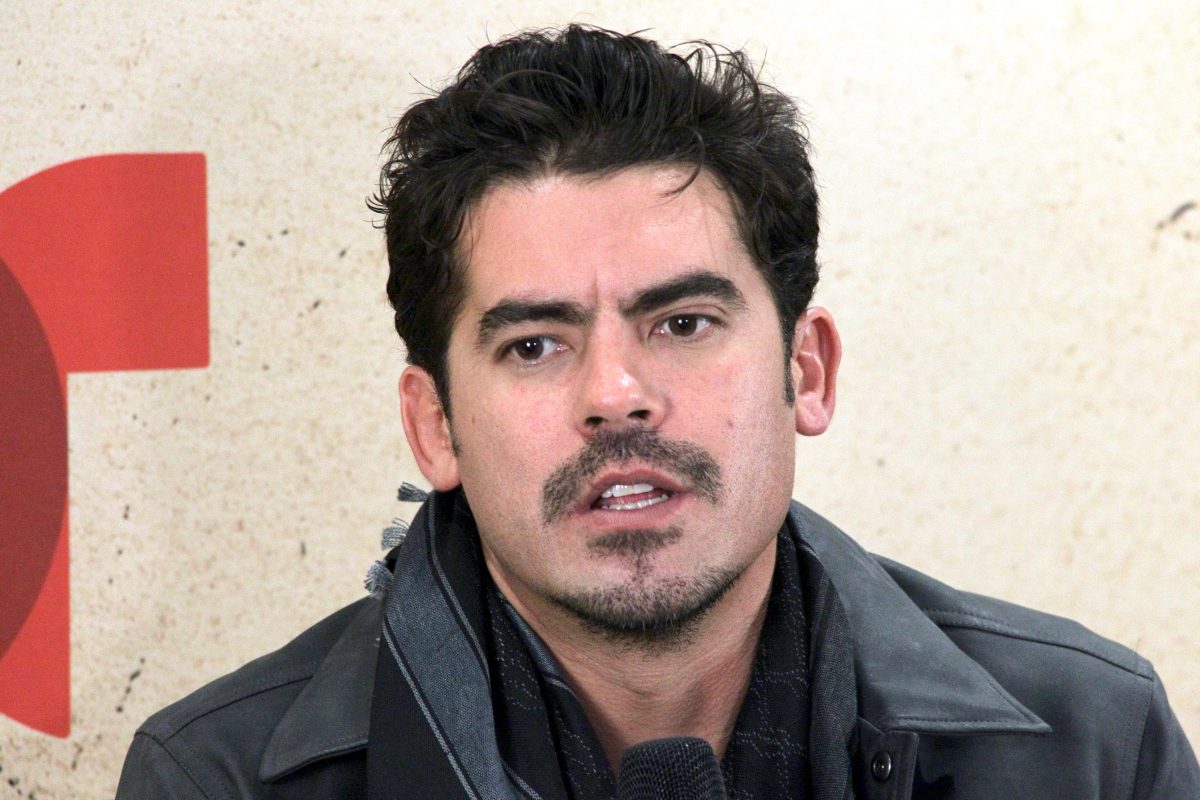
But playing intense characters has also taken a toll on him. Arana revealed that after portraying Vicente Fernández Jr. in El último rey, he went through a severe depression that forced him to rethink how to separate himself emotionally from his roles.
«I went through a very strong depression, I, Iván, when I played him,» he says. The problem was that the character’s energy didn’t end when the shooting day was over: he took it home and, with it, affected his family life.
Since then, he has developed small rituals to mark the end. Taking off his boots can become a signal: «I’ve taken off my boots, this isn’t mine.» Living far from the city also helps him use the commute as a physical and emotional separation from the set.
«They teach us to act, to build a character, but then, how do I get off the horse? How do I cut off from this?» he reflects. Today, he considers it fundamental to learn not only how to get into a character but also how to return to oneself.
At home, his children grow up away from screens
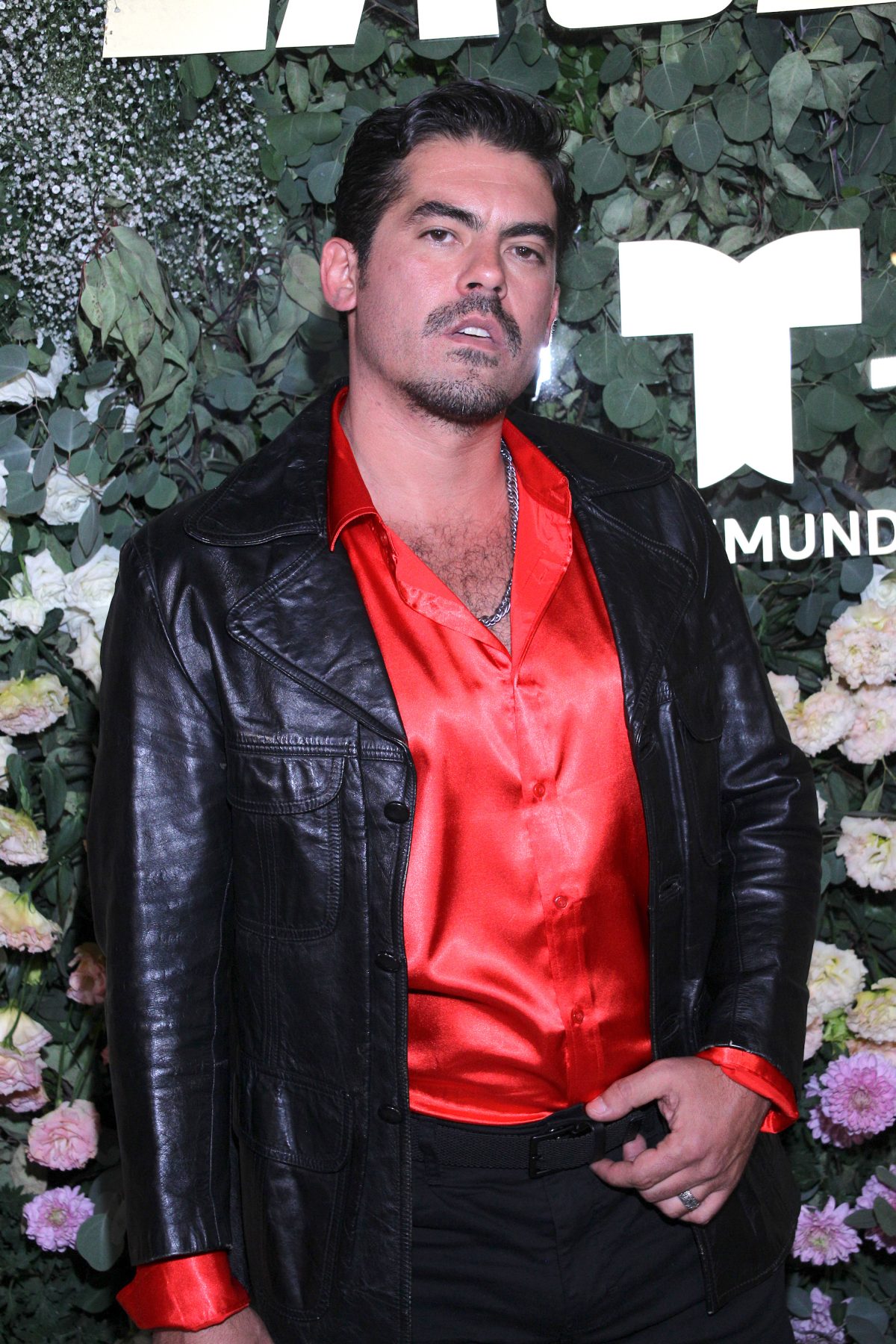
Outside of the set, the life he describes is much more tranquil. Arana spoke with Bañuelas about his wife and children and acknowledged that he maintains a strict stance regarding screen use during childhood.
«I’m getting them used to living. That is, they don’t need the screen,» he explains. Instead of staying in front of a device, he celebrates that they are children capable of entertaining themselves by exploring their environment: «They are children who chase lizards.»
He himself defines himself as a peaceful person: he reads, walks, and leads a relaxed life. Paradoxically, it is through his characters that he finds the space to explore much darker areas.
Iván Arana: Painting and music, other branches of his art
Acting is not his only artistic concern. Arana enjoys singing and has done so in some productions, while painting occupies a more personal space. His father is a plastic artist, and he himself paints, although he clarifies that he considers it a hobby.
«I would love to show the world what I do as a painter at some point in my life,» he confesses. To explain how all those disciplines coexist, he uses an image: «Art is a tree. So, if you have many branches, the tree is more lush.»
Would he enter La Casa de los Famosos? «I couldn’t»
However, there is a format that doesn’t seem to be among his plans: reality TV. When asked by Alonso Bañuelas about colleagues who have decided to participate in programs like La Casa de los Famosos, Arana was categorical.
«I couldn’t. I couldn’t,» he responded. He explained that he gets «entangled» easily and that he has already received invitations, but has rejected them because he considers that type of exposure not to correspond with his personality.
That doesn’t mean he criticizes those who participate. He recognizes the strength of those formats and respects that other artists know how to take advantage of them: «I think each artist knows where to go.»
Iván Arana looks back at the cinema.
His next concern points precisely to his origins. During the conversation, he talked about the short film Apariencias. This project represents for him a new approach to cinema after years in which television occupied a large part of his career.
«I started in theater, in cinema, and then television embraced me, and I’m grateful,» he notes. However, he admits he still wants to return to both the stage and the big screen.
And while he explores that return, Falcón occupies the present. For the Hispanic audience in the United States, Arana considers Tierra de Amor y Coraje to serve as a link to recognizable aspects of Mexican culture and the world of haciendas.
«It’s made with a lot of love, with a lot of passion, and I know they’re going to enjoy it,» he said before ending the interview with Alonso Bañuelas. From that warehouse where he looked for spectators to a desert turned into a huge set, Arana seems to continue applying the same idea: moving, trying, and not stopping to build characters.