How to choose a personal injury lawyer in Georgia—when your family needs answers



Posted on 10/01/26 at 12:24
You may be researching for yourself. You may be helping a parent, partner or sibling after a serious injury or loss.
Either way, you do not have to start by predicting what a case is worth. Start by finding out how a lawyer would evaluate it—and who would help your family understand the answers.
Start with three questions
- Experience: Has the lawyer handled this kind of claim, and what would need to be investigated?
- Judgment: Will the lawyer explain the uncertainties as clearly as the possibilities?
- Communication: Who will answer questions, explain costs and keep the client informed?
Why it matters: A verdict in someone else’s case cannot tell you how a firm will handle yours.
MundoNow spoke with PDLM attorneys Dan Prieto, Jon Marigliano and Dax López about evaluating serious cases and working with the families behind them. Their interviews offer practical questions to use when considering any firm.
First, understand what the conversation involves
Before arranging a consultation, ask who you will speak with, what information would be useful and whether there is a charge.
An initial inquiry, a consultation and an agreement to hire a firm are different steps. Ask the firm to explain each one, rather than assuming what a first call commits you to.
Ask early: “How would fees and case expenses work if your firm took this case?”
If the proposed agreement uses a contingency fee, ask what percentage applies, whether it changes as the case progresses, how expenses are handled and whether any expenses could be owed without a recovery. Have those terms explained in writing before signing.
Understanding the arrangement is part of choosing a lawyer—not something to leave until the end.
Match the experience to the situation
A serious truck crash, suspected medical malpractice and harm in a nursing home can involve very different evidence.
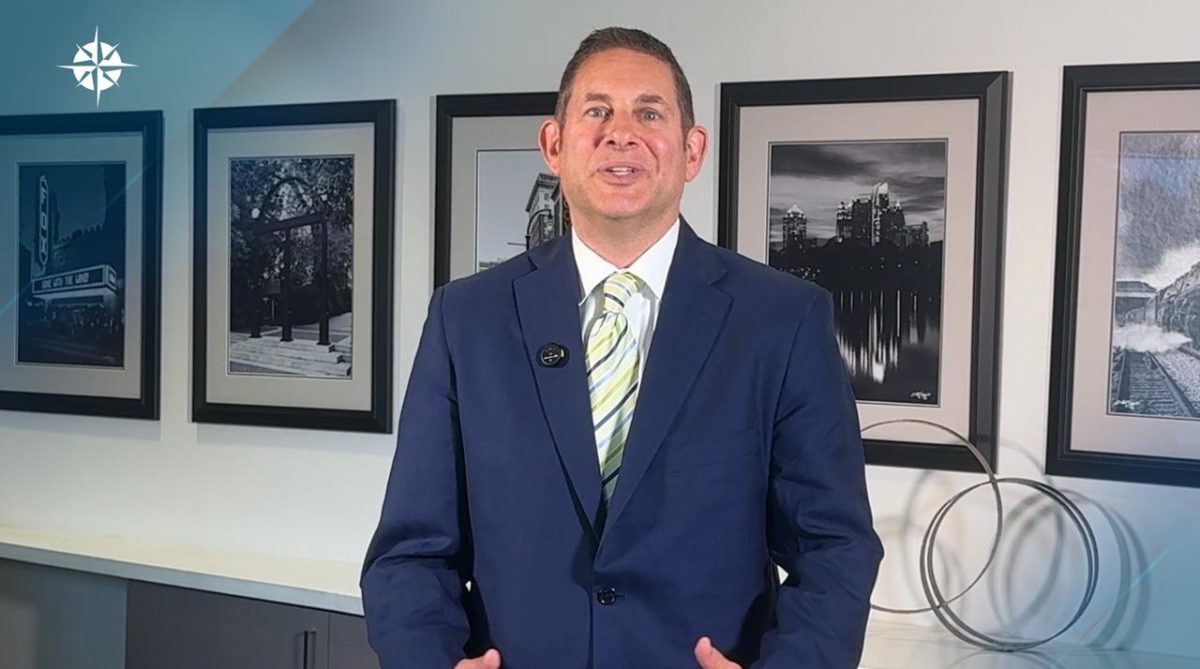
Marigliano, whose practice includes medical-malpractice and nursing-home cases, described looking closely at the medical evidence and whether it supports the claim being considered.
Prieto also cautioned against judging a lawyer by a past result without understanding the case behind it.
A useful question: “What would you need to learn before deciding whether this is a case your firm can handle?”
Follow it with: Who would investigate? What medical or technical expertise might be needed? What could change the firm’s assessment?
Those answers explain the work behind the credentials.
What does judicial experience contribute?
In the interviews, PDLM described the different judicial backgrounds within its team: López and Tony DelCampo served as Georgia State Court judges; Marigliano has served as a magistrate judge; Michael Prieto has served as a military judge.
Marigliano explained how colleagues with different experience can help evaluate a difficult case. He may identify questions in the medicine while another attorney brings perspective from seeing similar civil disputes tried in court.
The question is how that experience applies. Ask what kinds of matters the lawyer handled and how that background relates to your situation. A judicial title alone does not answer that.
Look for judgment—not a promise to win
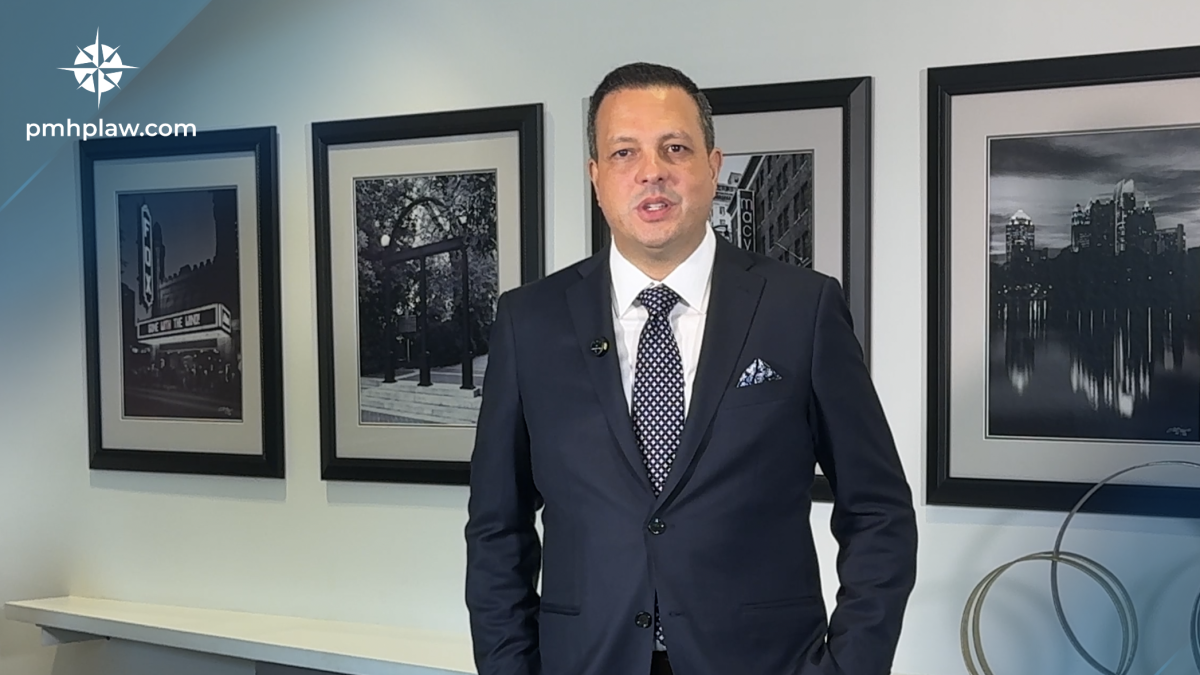
López described both taking difficult cases to trial and recommending settlement when he believed a trial carried substantial risk.
Those are not opposite qualities. A client needs an attorney who can prepare to go to court and explain when a different course may be worth considering.
Ask about both sides: “What could strengthen this case? What could make it difficult to prove? How would you help me weigh a settlement offer against the risks of trial?”
An explanation of uncertainty gives you something to consider. A promise does not explain the evidence.
Find out who stays in touch when there is no news
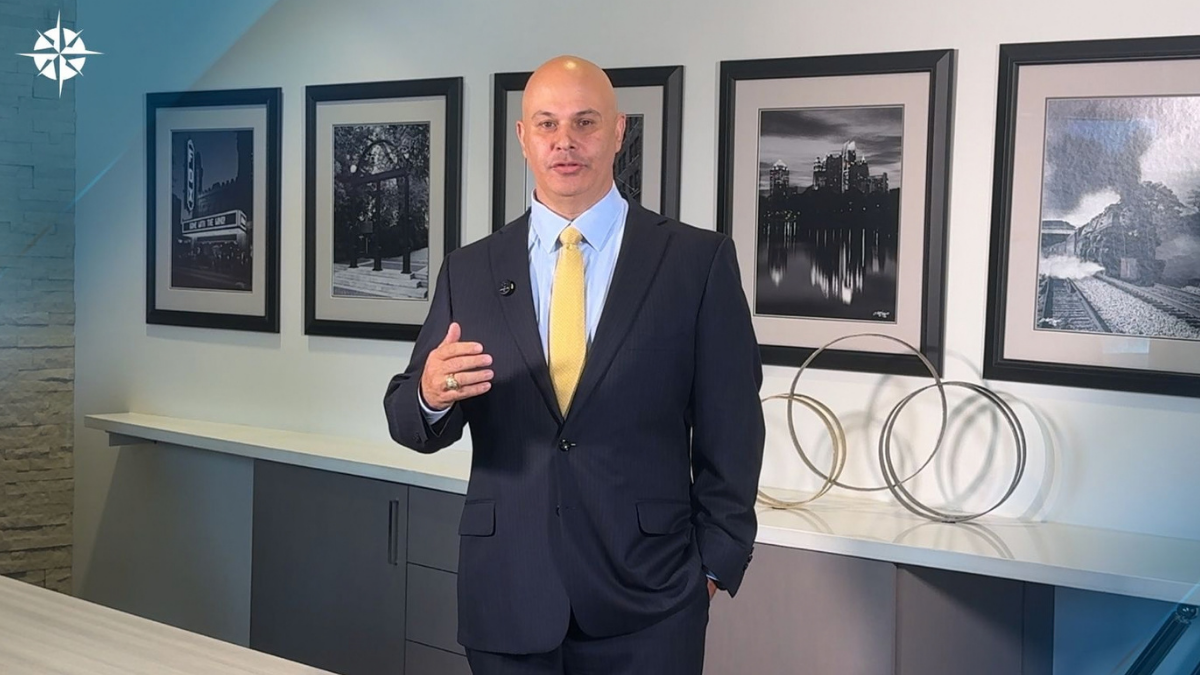
Prieto described a familiar source of frustration in a long case: from the client’s perspective, it can seem as though nothing is happening.
That is when an explanation matters.
“It may be that nothing is happening in your case, but there’s a reason nothing is happening in your case. Let me explain why.” — Dan Prieto, in an interview with MundoNow
Before hiring a firm, ask which attorney will be responsible, who handles routine questions and how updates work during quiet periods—not only when there is a major development.
Paralegals and case managers can play important roles. Understanding their responsibilities should go alongside knowing how to reach the attorney when an important decision arises.
This may be one of the lawyer’s cases. It is your family’s case.
Prieto tells clients: “Because this is one of my cases. This is your one case.”
That distinction should show up in the conversation. Does the lawyer listen to what the person affected needs to understand? Is there room to ask a question again? Are difficult choices explained without reducing the experience to a potential dollar amount?
Helping a relative? Make room for their questions
The person doing the research may be focused on experience and fees. The person affected may want to know who will explain what is happening and whether they will feel comfortable speaking openly.
Both sets of questions belong in the conversation.
Language matters throughout the case. Ask who can communicate in the client’s preferred language during routine calls and important decisions—not just at the first meeting.
López said PDLM has Spanish-speaking attorneys, paralegals and case managers. He distinguished speaking the same language from understanding the family relationships and cultural context that may shape a client’s experience.
Ask how a family member can participate while keeping the client’s own questions and decisions central.
Make sure candor can go both ways
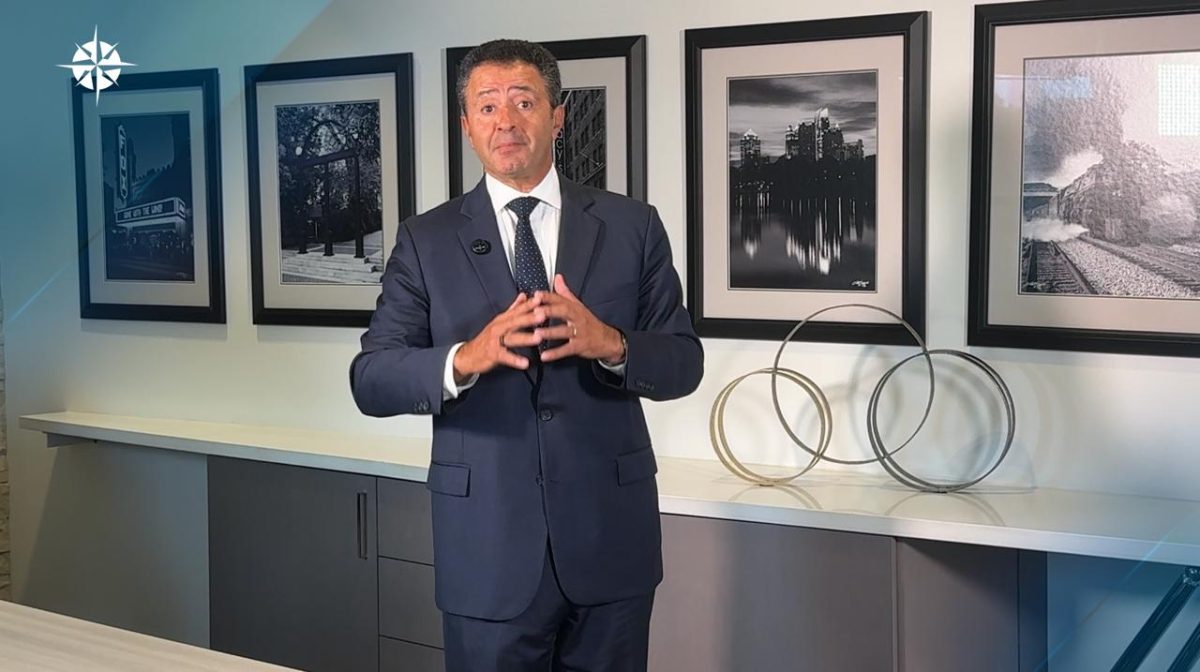
Prieto and López emphasized trust and honesty during a relationship that may last years.
Consider whether you can ask questions without feeling dismissed—and whether the attorney will discuss weaknesses in a claim instead of only its possible value.
Before sharing sensitive records or a detailed personal history, ask how the firm would like that information provided.
A useful test: Are you receiving a clear explanation of the situation, or only reasons to sign?
Check credentials and consider trusted referrals
Verify the attorney’s licensing and available public professional information through the State Bar of Georgia.
Prieto said other lawyers refer matters to PDLM when a case requires different experience or resources. Asking a lawyer you already trust for a referral can be another way to begin your research.
A referral is a starting point, not a guarantee. Use the same questions about experience, judgment, communication and fees.
Take these questions into the conversation
What needs to be investigated? Who will be responsible? How do fees and expenses work? How will the client stay informed?
Look for specific answers about the work, the risks and the relationship being proposed.
Learn about PDLM before deciding on a next step
For questions following a serious injury or loss in Georgia, learn about PDLM’s approach and how to request a consultation. You can read more before deciding whether to make contact.
Every legal matter is different. Prior results do not guarantee a similar outcome. This article is for informational purposes only and does not constitute legal advice.
MundoNow was compensated by Prieto DelCampo Lopez Marigliano LLC for the creation and publication of this article.
Responsible attorney: Dax Lopez, Prieto DelCampo Lopez Marigliano LLC · 1555 Mount Vernon Road, Atlanta, GA 30338 · 404-856-0040.