From Glamour to Contagion: The Death of Betsy Arakawa, Gene Hackman’s Wife, Resurfaces Amid Hantavirus Outbreak
Death of Betsy Arakawa revisited Gene Hackman case resurfaces Hantavirus outbreak sparks alert The hantavirus outbreak detected aboard the MV Hondius has reignited international health concerns after seven confirmed cases and three deaths were reported. Public attention is now focused not only on the affected passengers but also on a case that shocked Hollywood in […]



Posted on05/10/26 at 07:05
- Death of Betsy Arakawa revisited
- Gene Hackman case resurfaces
- Hantavirus outbreak sparks alert
The hantavirus outbreak detected aboard the MV Hondius has reignited international health concerns after seven confirmed cases and three deaths were reported.
Public attention is now focused not only on the affected passengers but also on a case that shocked Hollywood in 2025: the death of Betsy Arakawa, wife of actor Gene Hackman.
The case, which initially drew attention because of the unusual nature of the virus, has gained renewed relevance following the new outbreak detected aboard a vessel traveling from Ushuaia to Cape Verde with a final destination in the Canary Islands.
Around 150 people were aboard the cruise ship, including 14 Spanish passengers, while the World Health Organization confirmed the infections and warned that the source of the outbreak may predate boarding because of the virus’s incubation period.
Betsy Arakawa’s death shocked Hollywood

Arakawa’s death occurred just over a year ago and became one of the most widely known cases linked to hantavirus.
On February 26, 2025, she and Gene Hackman were found dead inside their residence in Santa Fe after having died several days earlier.
You May Also Be Interested In: Long-Tailed Pygmy Rice Rat, the South American Rodent That Transmits the Dangerous Andes Hantavirus Strain
Autopsies determined that the actor died from a cardiovascular condition worsened by Alzheimer’s disease, approximately one week after the death of his wife.
In Betsy Arakawa’s case, it was initially believed that she had suffered from the flu. However, authorities later confirmed that the true cause of death was hantavirus — a diagnosis that surprised many because of the disease’s low visibility at the time.
The discovery that raised alarms
One month after the deaths, the New Mexico Department of Health inspected the couple’s home.
Investigators discovered numerous dead rodents, nests, and rodent droppings inside the property, all considered major transmission sources of the virus.
The discovery helped explain how the infection may have occurred and placed renewed attention on rodent infestations in residential areas.
Following the case, authorities distributed preventive recommendations aimed at individuals who may have come into contact with rodents or spaces contaminated by rodent waste.
What is known about the virus and the cruise ship outbreak
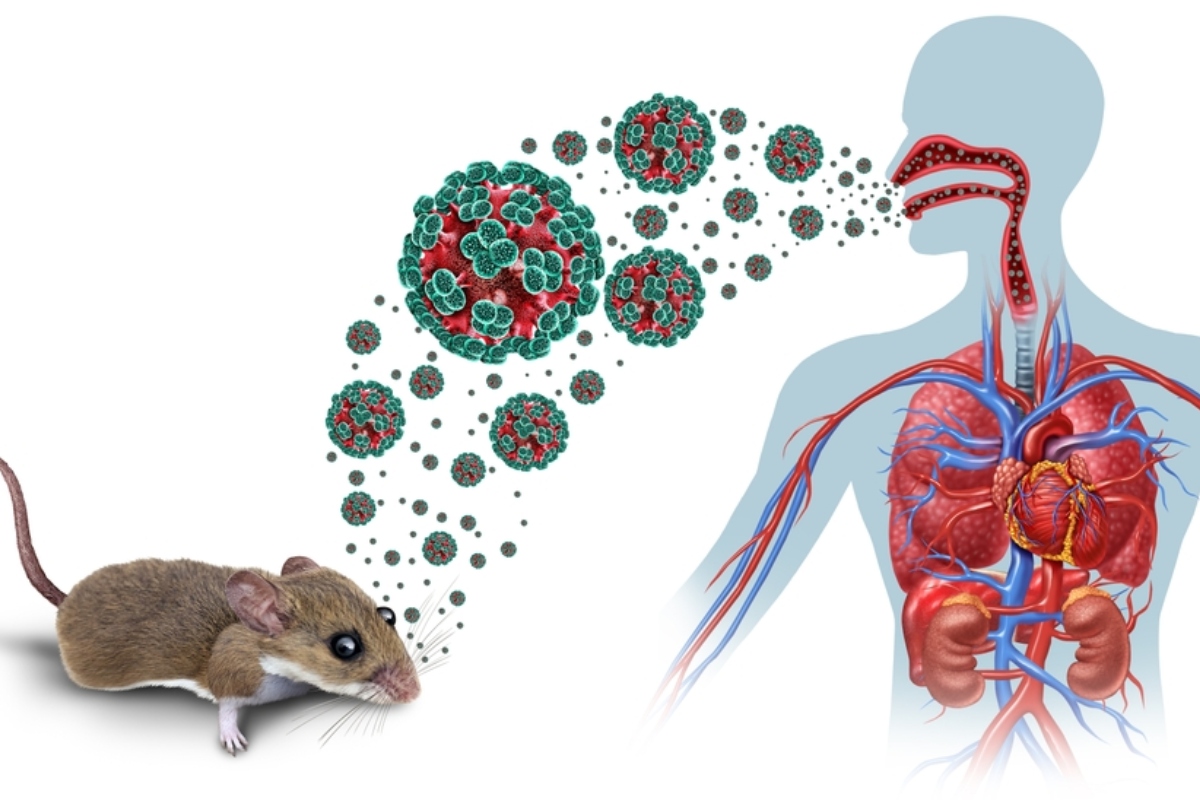
Hantavirus is primarily transmitted through inhalation of particles found in dust contaminated with the urine, feces, or saliva of infected rodents.
It can also spread through handling infected animals or their remains and then touching the mouth, nose, or eyes, as well as through direct bites.
Although most variants are not considered transmissible between humans, the outbreak aboard the MV Hondius has prompted reinforced monitoring and control measures.
Spanish authorities are expected to allow the vessel to arrive in Tenerife in order to evacuate and repatriate passengers after conducting health screenings.
Meanwhile, memories of Arakawa’s death have once again placed a familiar face on an infection that is now keeping the world closely focused on its evolution, according to EFE and Infobae.