Why Aren’t You Losing Weight Even Though You Eat Well and Exercise? The Reasons Nobody Tells You!


Posted on 05/10/26 at 22:58
- Stress affects weight loss
- The scale may not reflect real changes
- Weight-loss plateaus are normal
Even if you follow a balanced diet and maintain a consistent workout routine, the number on the scale may not reflect your effort.
This situation, far from being unusual, has multiple explanations that go far beyond “eat less and move more.”
Understanding these factors can help you adjust your strategy and avoid unnecessary frustration.
Key factors that explain weight-loss plateaus and how to regain progress

Stress and poor sleep can slow your body down
The body does not function the same way under constant pressure.
Chronic stress raises cortisol levels, a hormone that may promote fat storage, especially around the abdominal area.
It also directly affects sleep quality, creating a difficult cycle to break.
- Poor sleep alters hunger hormones
- Increases cravings during the day
- Reduces energy for workouts
When rest is insufficient, the body prioritizes survival rather than transformation.
That is why improving sleep quality can be just as important as going to the gym when you want to lose weight.
The scale may be misleading you
Not all progress is measured in pounds or kilograms.
If you are strength training, you may be gaining muscle mass while losing fat.
This can cause your weight to stay the same or even increase slightly.
What should you pay attention to instead of the scale?
- How your clothes fit
- Your strength levels
- Changes in your appearance
Muscle takes up less space than fat, even though it weighs more.
That is why the mirror often tells a different story than the scale.
Your daily movement matters more than you think
Going to the gym for one hour a day does not compensate for sitting the rest of the time.
Daily activity — what you do outside workouts — plays a major role in losing weight.
Small actions add up more than you realize: walking, standing up from your desk, or using stairs.
If your workouts are so intense that they leave you exhausted for the rest of the day, you could actually lose some of that benefit.
Eating more: the silent mistake many people make
As physical activity increases, the body naturally asks for more energy.
The problem appears when people overestimate how many calories they need.
More exercise = more hunger
More hunger ≠ uncontrolled eating
This is where food quality becomes essential.
Choosing foods rich in protein and fiber helps maintain fullness and avoid overeating that can slow weight loss.
Extreme diets can ruin the weight loss process
Drastically cutting calories may seem effective at first, but it has consequences.
The body enters “energy-saving mode,” metabolism slows down, and performance drops.
Signs your diet may be too restrictive:
- Constant lack of energy
- Poor workout performance
- Episodes of food anxiety
Finding a sustainable balance is more effective than any quick fix.
Eating too little can also prevent visible results.
A weight loss plateau is not failure — it is a phase
Eventually, the body adapts.
According to Mayo Clinic, losing weight also lowers metabolism, meaning you burn fewer calories than before.
That explains why the same plan eventually stops working. It is not a lack of discipline — it is a natural biological response.
What does this mean in practice?
- You need to adjust your routine
- Reevaluate your nutrition
- Assess whether your goals remain realistic
A plateau is not the end of the journey but rather a sign that your body has changed — and your strategy should evolve too.
Practical tips you can apply starting today to lose weight
If you identify with any of these points, simple adjustments can make a major difference:
Prioritize better sleep: establish consistent schedules and reduce screen time before bed
Add more daily movement: walk more, stand frequently, and avoid long periods sitting
Do not obsess over the scale: track progress with photos, clothing fit, or performance
Adjust portion sizes: even healthy foods can contribute excess calories
Avoid extreme diets: aim for a moderate calorie deficit you can maintain long term
Listen to your body: hunger, fatigue, and low energy are signals you should not ignore
Small, sustainable changes are usually more effective than drastic transformations that do not last.
Losing weight is not just about willpower!
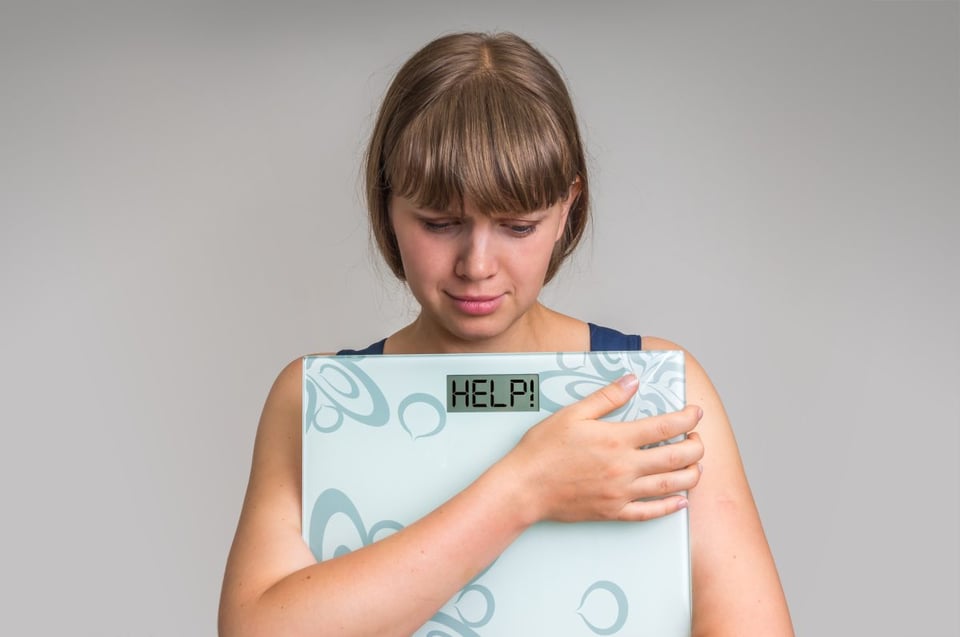
Factors such as sleep, stress, body composition, and daily habits influence results just as much as diet and exercise.
Understanding this not only reduces frustration but also allows you to move forward with greater clarity and more sustainable progress.
You May Also Be Interested In: Vitamins and Habits That Strengthen Your Immune System During the Hantavirus Outbreak

Warning: The information presented in this article is for educational and informational purposes only. It does not replace advice from a healthcare professional, nutritionist, or certified trainer. Every body is different, so before making changes to your diet or exercise routine, consult a specialist.
Disclosure: This content may include product or service recommendations. Some links may generate a commission at no additional cost to you.
Have you ever felt like you are doing everything “right” but still not seeing results? Tell us what you think might be influencing your situation.
SOURCE: Nike Training / Nike.com — Six reasons why you may not see results despite training / Mayo Clinic