Tropical Storm Alvin May Form This Week off Mexico’s Coast: Could Be First of the Season


Posted on05/26/25 at 20:59
- Potential Tropical Storm Alvin
- Off the Southern Coast of Mexico
- No Land Impact Expected
A low-pressure system off the southern coast of Mexico has begun to intensify, and experts anticipate it could become Tropical Storm Alvin in the coming days.
If confirmed, Alvin would be the first named storm of the season in either the eastern Pacific or Atlantic basins.
The alert was issued by the National Hurricane Center (NHC), which is monitoring the system several hundred miles offshore.
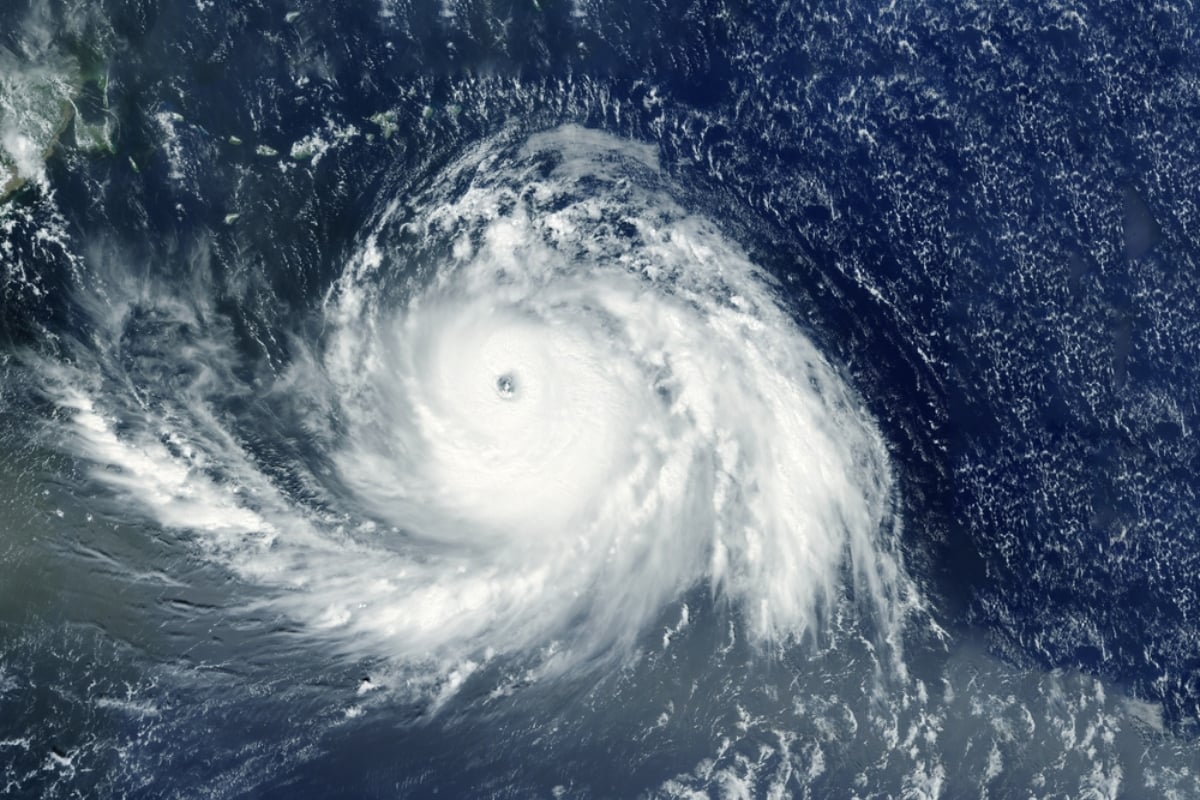
Satellite images show an increasing concentration of rainfall and thunderstorms in the area, indicating progressive organization.
System Near Mexico Could Become Tropical Storm Alvin

According to the NHC, the phenomenon has a medium chance of becoming a tropical depression within the next 48 hours.
However, the seven-day outlook raises that probability to high, reinforcing expectations that Alvin will officially become the first tropical storm of 2025.
You may also like: NOAA Forecasts Up to 10 Hurricanes for the Atlantic in 2025: An Above-Average Season
The system is moving west-northwest at approximately 10 miles per hour.
It is expected to consolidate into a tropical depression by midweek, with potential to intensify further afterward.
Conditions Favor Tropical Development
“There’s a pretty high chance that it becomes a well-formed storm,” said Ari Sarsalari, a FOX Weather meteorologist.
The expert added that its path appears to head toward the Baja California Peninsula, although no direct land impact is currently expected.
For now, oceanic conditions play a key role in limiting its strength.
“There’s a wall where the water is much colder, and there’s a lot of wind shear, all of which tends to scatter the storms significantly,” Sarsalari explained.
Path Points to Open Ocean
This means that even if the low-pressure system is named and officially classified, it does not pose a significant threat to inhabited land areas.
The system’s development comes just two weeks after the official start of the eastern Pacific hurricane season, which began on May 15.
In the Atlantic, the season officially begins June 1, making Alvin a symbolic start to a heightened period of weather monitoring.
Each year, rising ocean surface temperatures and wind patterns contribute to the formation of tropical cyclones.
The 2025 Hurricane Season Begins with Monitoring
This time, the system’s rapid organization off Mexico’s coast is raising expectations about how the 2025 hurricane season will unfold.
Civil protection authorities have not issued alerts for coastal populations, but they recommend staying updated with official bulletins.
Past years have shown that some cyclones, even without making landfall, can generate heavy rain, dangerous surf, and strong rip currents along Mexico’s Pacific beaches.
For now, the system remains over open water and poses no immediate danger. However, its evolution will be key in understanding weather patterns in the coming weeks in the Pacific Ocean.
No Risk for Now, But Under Constant Monitoring
Ongoing tracking by the NHC and other specialized centers will allow for real-time updates on trajectory and intensity models.
As the system strengthens, experts expect more data to determine whether it will remain an ocean storm or influence coastal conditions.
With the possibility of Alvin becoming the season’s first tropical storm, active meteorological monitoring has officially begun in the region.
For the public, the call is to stay informed—without panic, noted Fox Weather.